Best Books on Strategy Consulting
Strategy consulting reading for the actual work: from Marc Cosentino’s case logic to Barbara Minto’s Pyramid Principle and Richard Rumelt’s Good Strategy/Bad Strategy, these books sharpen thinking and client communication.
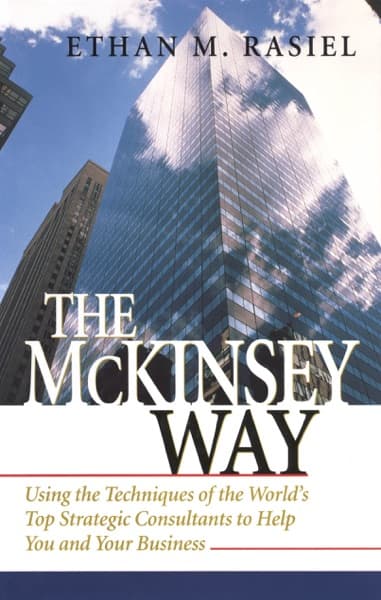
The McKinsey way
Ethan M. Rasiel
You stop treating strategy as an idea and start treating it as a structured, repeatable way to solve problems with client-ready logic.
Issue trees turn fog into solvable workstreams
Rasiel distills how McKinsey teams break ambiguity, frame issues, and drive toward decisions. For strategy consulting, that shift matters because your output is less about inspiration and more about credible problem solving under constraints.
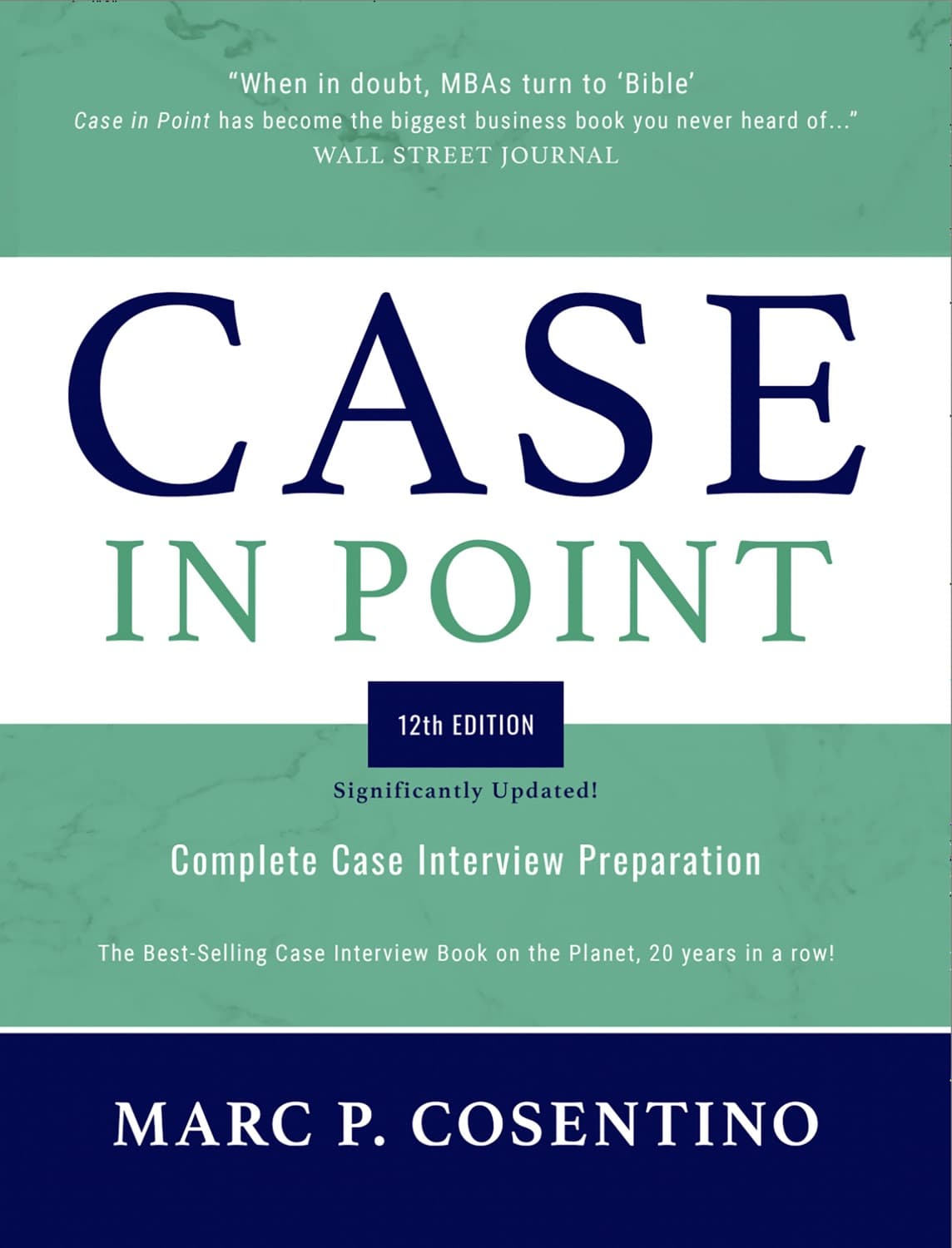
Case in Point
Marc Cosentino
Case interviews become less about guesswork and more about running disciplined business judgment through a reliable sequence of steps.
Make assumptions explicit, then test them
Cosentino teaches the thinking behind responses: clarify, structure, analyze, and synthesize without losing the thread. In strategy consulting, this directly translates to how you handle messy prompts and produce client-facing recommendations.
The Lords of Strategy
Walter Kiechel
Strategy consulting stops feeling like a modern buzzword and starts looking like an evolving craft with recognizable patterns and rival schools.
Strategy consulting is a rivalry of ideas, not a single method
Kiechel gives the lineage of strategy firms and the corporate strategy ideas they fought over. That historical lens helps consultants understand why certain methods dominate, which in turn improves how you choose frameworks and talk about them credibly.
The pyramid principle
Barbara Minto
Your recommendations finally read like decisions, not essays: every slide answers the question that sits above it.
Put the answer first, then prove it
Minto’s logic forces hierarchy, relevance, and crisp “so what” reasoning. For strategy consulting, that changes how clients absorb your work because structure becomes part of persuasion, not decoration.
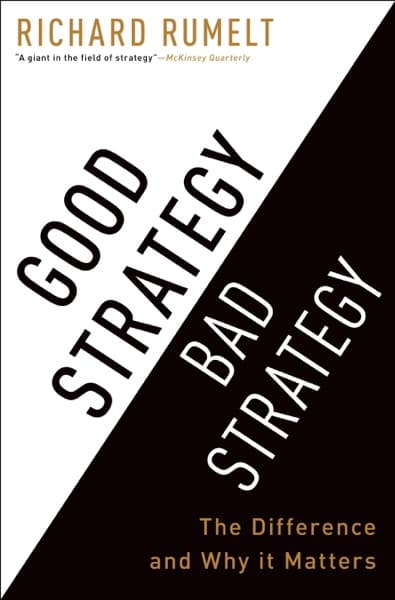
Good Strategy / Bad Strategy
Richard Rumelt
You learn to separate “clever positioning” from a coherent strategy by looking for a real diagnosis and a guiding policy.
A strategy needs a guiding policy to execute
Rumelt formalizes what makes strategy work: diagnosis of the situation, a coherent guiding policy, and an array of actions. Consultants use this to avoid hand-wavy recommendations and to write choices that actually fit the constraints.
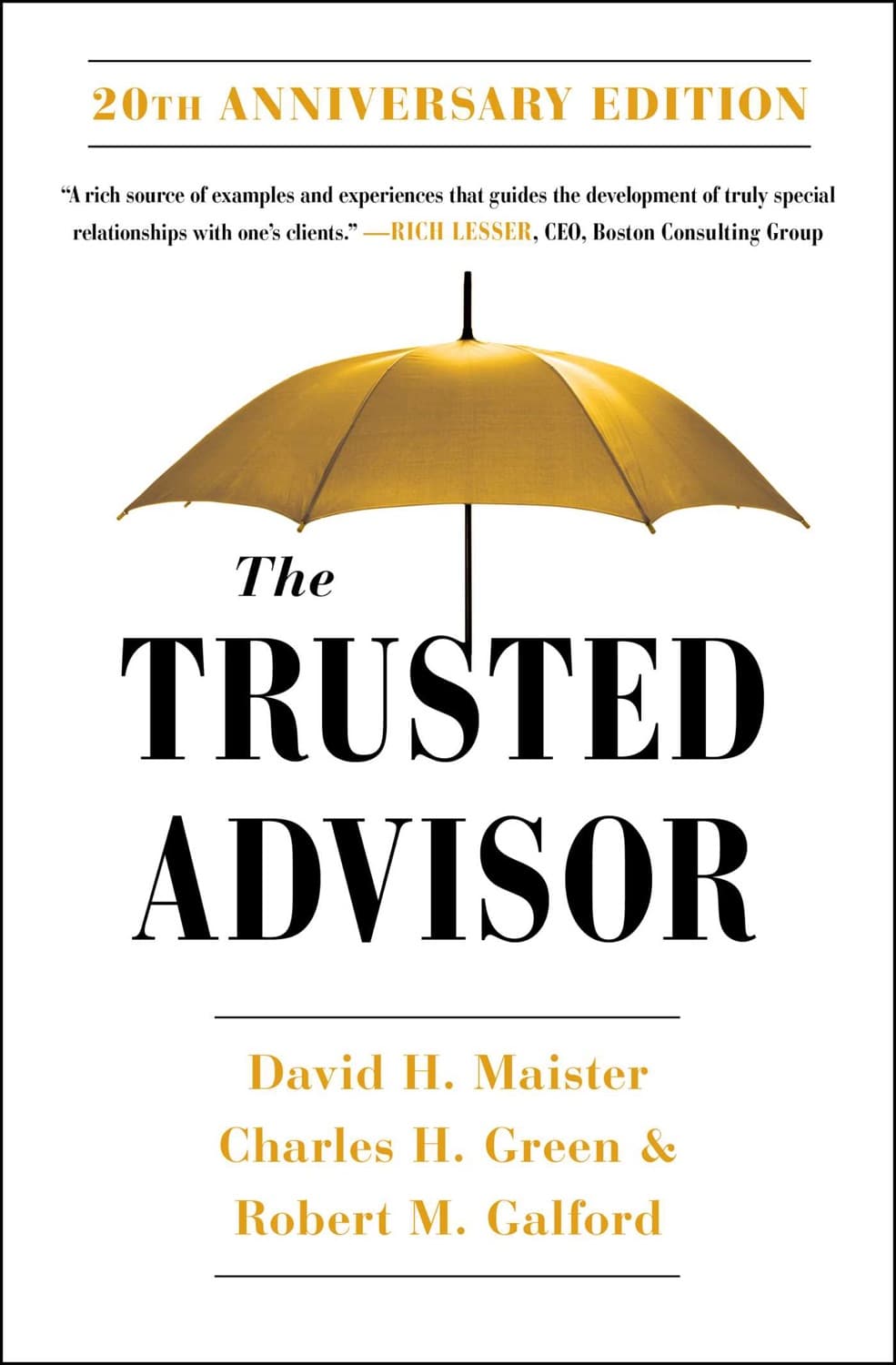
The trusted advisor
David H. Maister, Charles H. Green, Robert M. Galford
Influence comes from how clients experience you: credibility and relationship mechanics shape what advice they accept.
Trust grows from reliability, empathy, and clarity
Maister, Green, and Galford map the behaviors that build trust and reduce resistance. In strategy consulting, that matters because even strong analysis fails if clients do not feel understood, respected, and safe to decide.
Make assumptions explicit, then test them
Flawless consulting
Peter Block
Consulting becomes less about impressing clients and more about managing the engagement as a human system with clear contracts and shared ownership.
Contract for results, roles, and process
Block focuses on contracting, roles, and the dynamics that determine whether change takes hold. For strategy consulting, this helps translate strategy into action by aligning expectations before analysis meets reality.
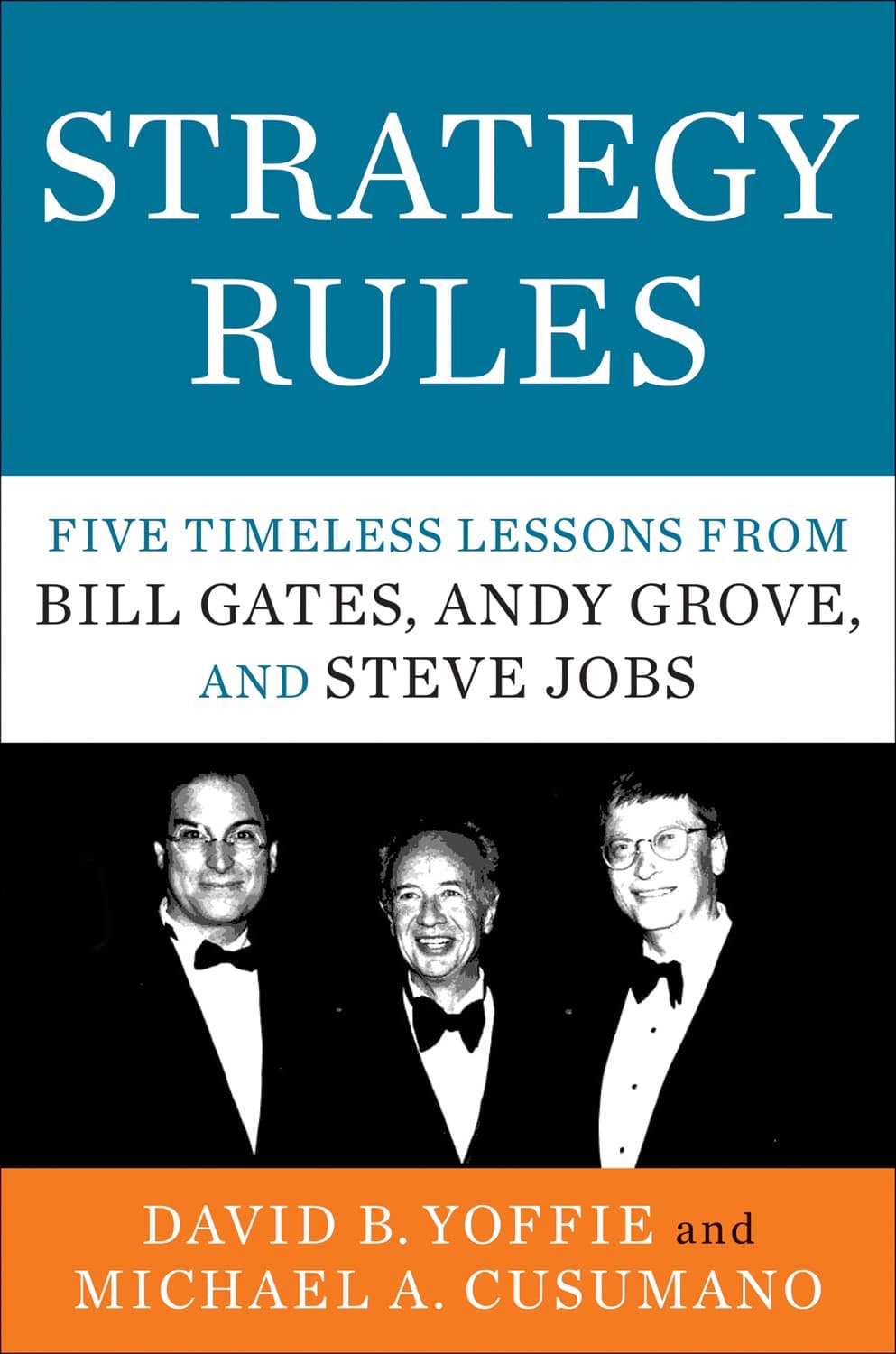
Strategy Rules
David B. Yoffie, Michael A. Cusumano
Strategy turns from “best practices” into decision rules you can defend using patterns from major tech businesses.
Use a small set of rules to guide big moves
Yoffie and Cusumano extract principles from real cases, then show how leaders make trade-offs across products, platforms, and competition. That’s useful for consulting-style strategy work where you need repeatable logic, not vague inspiration.
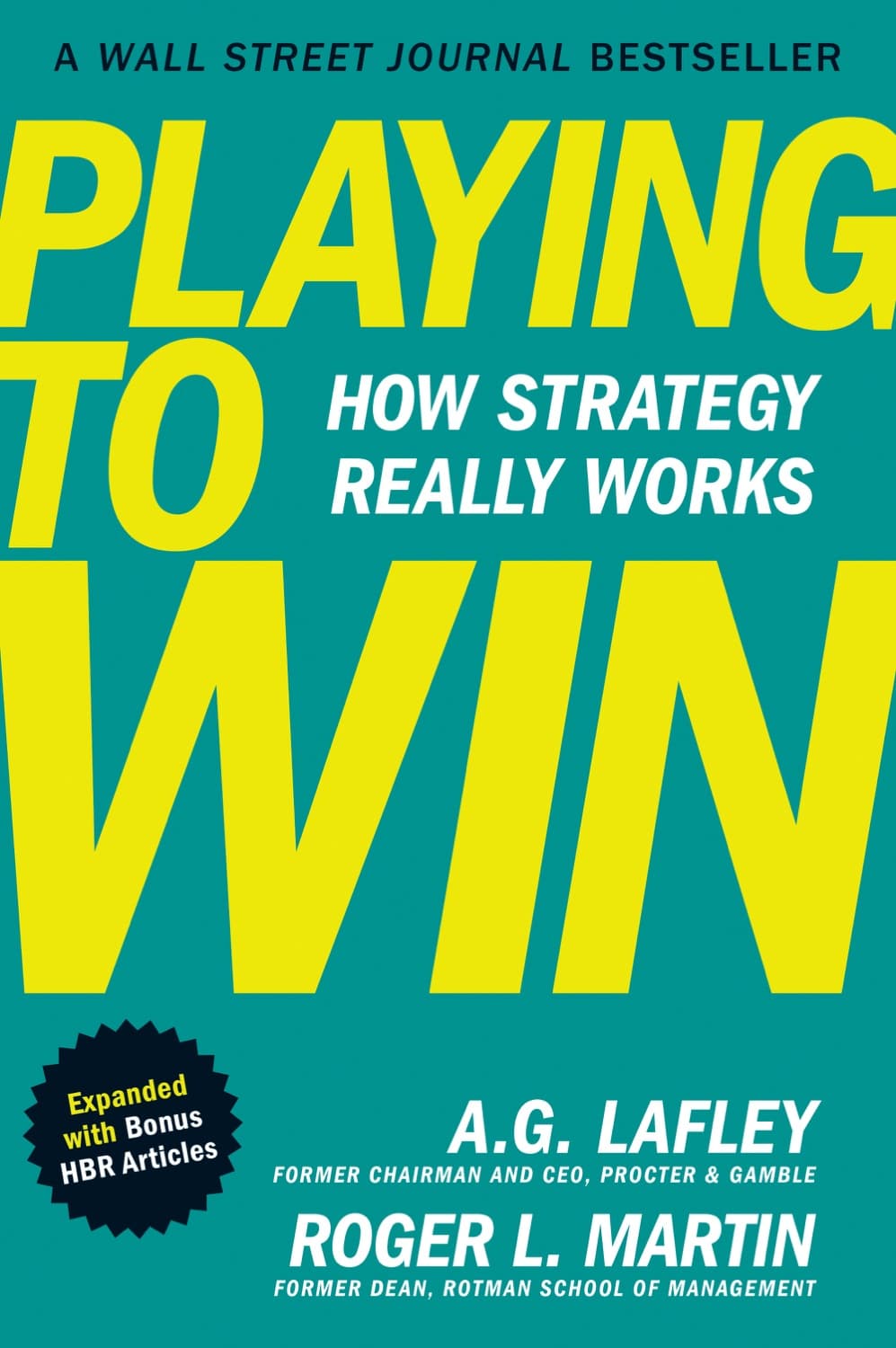
Playing to Win
A.G. Lafley, Roger L. Martin
Strategy becomes a set of interlocking decisions about winning, not a menu of disconnected initiatives.
Start with winning then work backward
Lafley and Martin lay out a practical way to derive strategy from choices: where to play, how to win, and what capabilities are required. This supports consulting outputs that connect market choices to the capabilities and actions needed to execute.
Can we tailor this list for you?
Type your question in the bar below and the AI will tailor a fresh set of picks just for you.