Best Books for McKinsey Aspirants
McKinsey Aspirants usually succeed or stall on one thing: how crisply they turn messy problems into structured answers. These guides train that lens through case method and McKinsey-specific expectations.
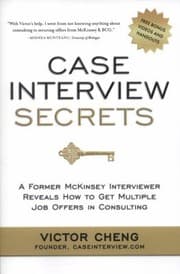
Case Interview Secrets
Victor Cheng
You stop “winging it” and start running every case like a repeatable process with explicit interviewer-oriented structure.
Always start with a hypothesis tree, not a story.
This book makes the case interview feel operational: what to ask, how to structure, and how to communicate so the logic lands. That matters for McKinsey Aspirants because it narrows the gap between having ideas and delivering them in the firm’s preferred problem-solving style.
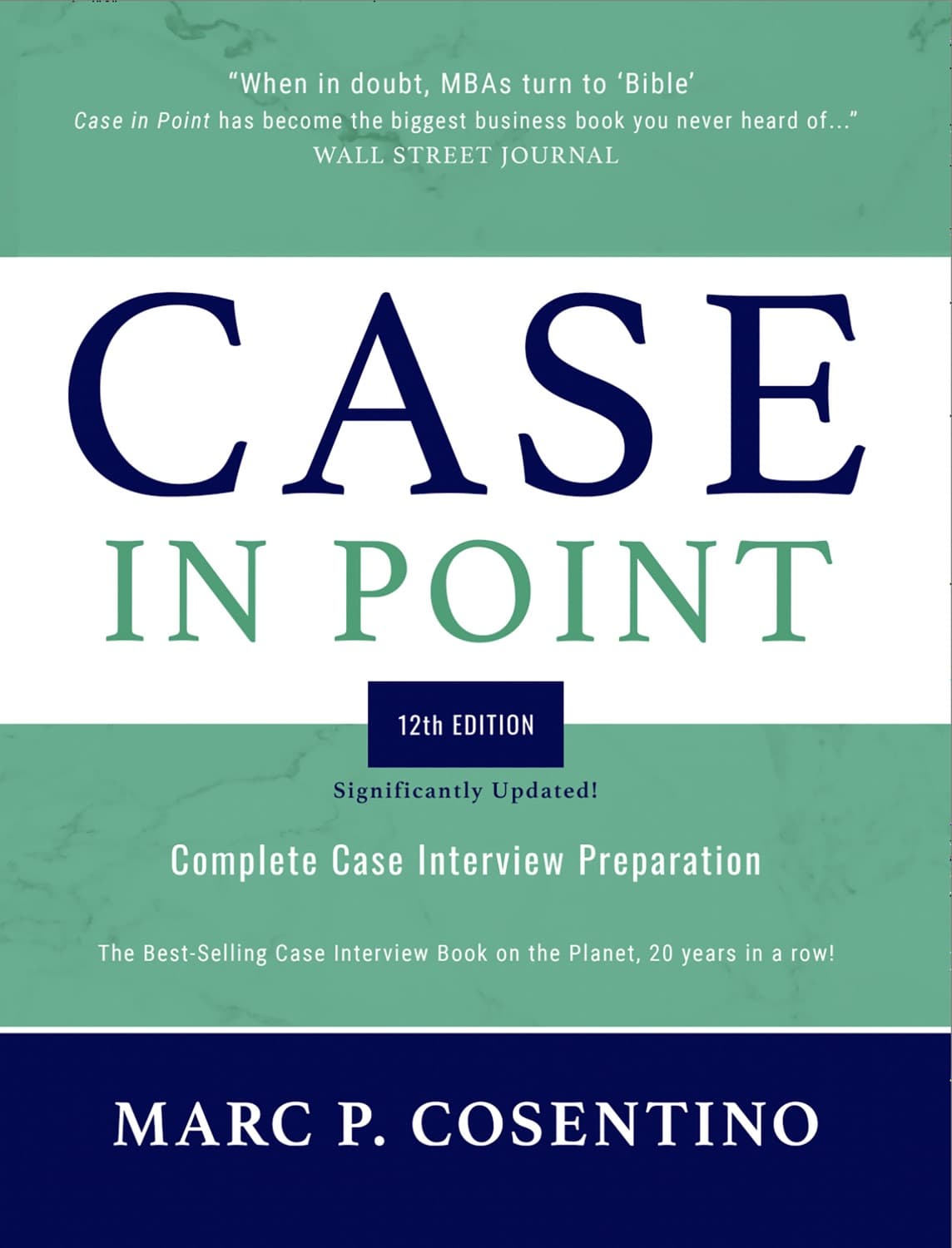
Case in Point
Marc Cosentino
Its variants reinforce that the same logic can be delivered in clearer, more persuasive language.
Use MECE buckets to keep the interviewer aligned.
This Cosentino guide doubles down on the recruiting-interview fundamentals with an emphasis on frameworks and execution. For McKinsey Aspirants, the value is tightening your delivery so your structure survives scrutiny and follow-up questions.
Crack the Case System
David Ohrvall
A systems approach replaces random drills with deliberate practice that tightens your logic and your explanations.
Practice using a consistent case system every time.
Ohrvall focuses on framework-driven prep and consistent application, so improvement compounds across cases instead of resetting each session. That aligns well with McKinsey Aspirants who need reliable structure, not just isolated “good answers.”
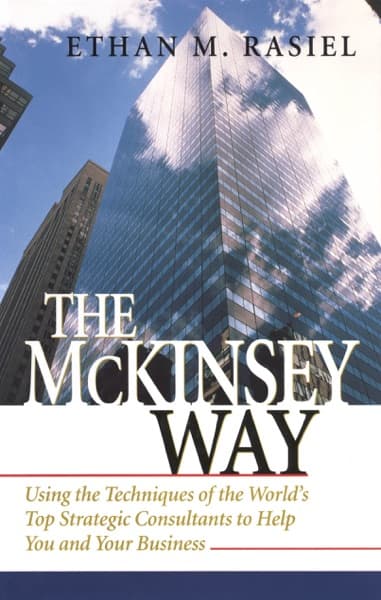
The McKinsey way
Ethan M. Rasiel
You learn why McKinsey expects a certain kind of thinking: not just problem-solving, but disciplined judgment and crisp communication.
Structure the problem before you debate the numbers.
Rasiel demystifies the internal mindset behind the brand: how work is framed, how problems are attacked, and what “good” looks like. That helps McKinsey Aspirants aim their prep at the real evaluation criteria, not generic consulting tropes.
Case in point
Marc Cosentino
Its variants reinforce that the same logic can be delivered in clearer, more persuasive language.
Use MECE buckets to keep the interviewer aligned.
This Cosentino guide doubles down on the recruiting-interview fundamentals with an emphasis on frameworks and execution. For McKinsey Aspirants, the value is tightening your delivery so your structure survives scrutiny and follow-up questions.
The Management Consultant
Richard Newton
You come away with a grounded view of what consulting rewards: thinking, client communication, and practical tradeoffs.
Real consulting is judgment plus communication, not frameworks alone.
Newton expands beyond interview drills into what day-to-day performance and professionalism actually require. That matters for McKinsey Aspirants because it helps you prep for the interview while also checking whether your strengths fit the job.
Use MECE buckets to keep the interviewer aligned.
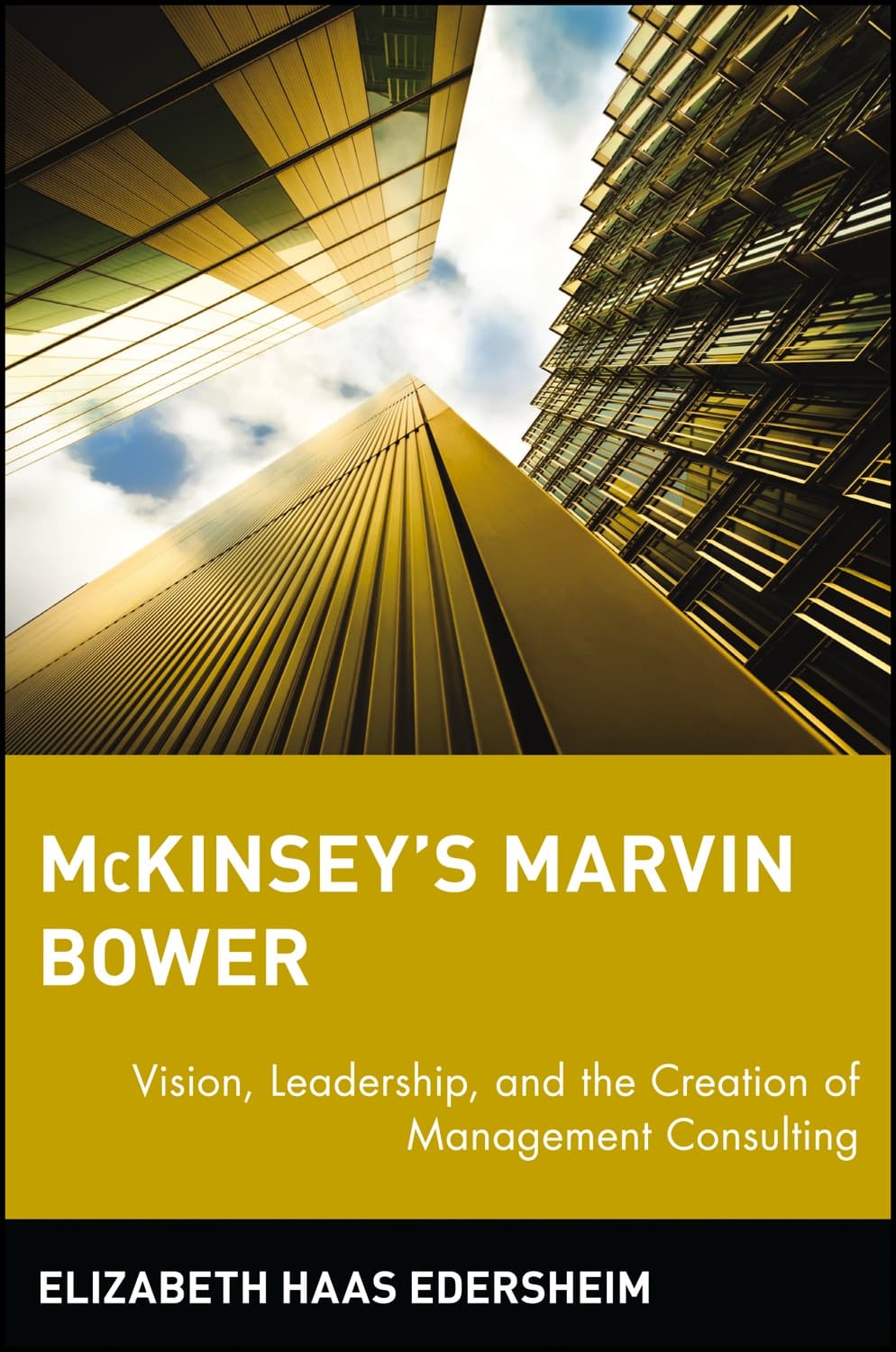
McKinsey's Marvin Bower
Elizabeth Haas Edersheim
McKinsey’s identity becomes concrete through the rules Bower fought for: clarity, rigor, and the kind of professionalism that outlasts trends.
Professional ethos guides problem solving, not just technique.
This book provides historical context for the firm’s values and expectations, which can sharpen how you interpret the “McKinsey way” signals in interviews. For aspirants, it’s a compass for shaping answers that feel aligned, not manufactured.
Can we tailor this list for you?
Type your question in the bar below and the AI will tailor a fresh set of picks just for you.