Best Books on Rock Star Biographies
Rock star memoirs and biographies that trade myth for memory: from Keith Richards with James Fox’s Life to Elvis-obsessed narrative in Peter Guralnick’s Last Train to Memphis. Expect different lenses on fame, craft, and the cost of being seen.
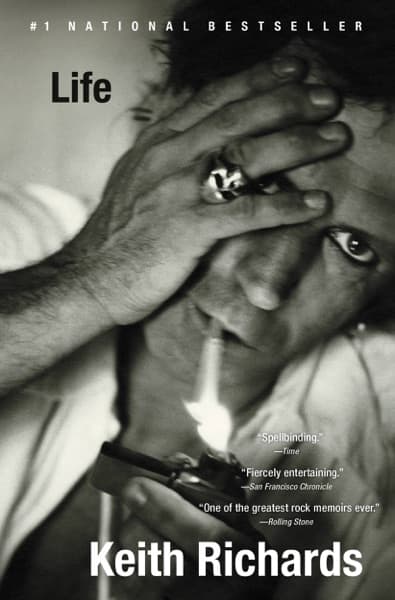
Life
Keith Richards, James Fox
Finishing Life leaves you hearing the Rolling Stones less as legends and more as a working system of riffs, negotiations, and survival instincts.
The Stones myth is replaced by the craft of endurance.
Richards writes from inside the machinery of a band, while James Fox helps anchor the stories with cultural context. For rock star biographies, it shifts you from celebrity plotlines to how decisions, habits, and loyalty actually shape the music and the man.
Born to Run
Bruce Springsteen, Michael Morpurgo
Born to Run turns rock autobiography into a listening education: how one voice became a map for restlessness.
Restlessness is the engine, not the detour.
Springsteen’s narration is candid about longing and meaning, and Morpurgo’s involvement keeps the book emotionally accessible rather than purely factual. If you’re drawn to rock biographies for mood and transformation, this delivers a clear shift from career milestones to inner weather.
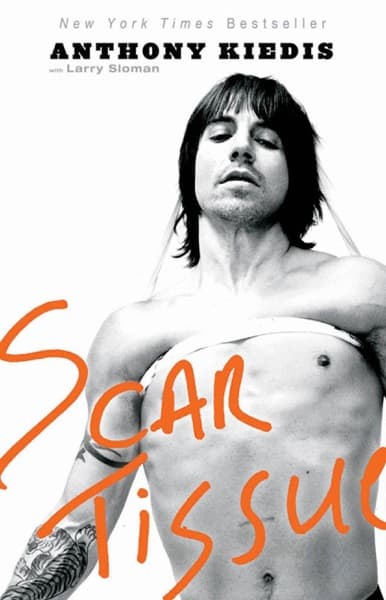
Scar Tissue
Anthony Kiedis
Scar Tissue makes addiction feel like a narrative force: it edits memory, distorts relationships, and then still can’t erase the music.
Ruin can coexist with artistry, until it can’t.
Kiedis’s memoir is unsparing and specific about fame, self-invention, and the compromises behind survival. That matters for rock star biographies because it treats celebrity as a living problem, not a polished origin story.
Just Kids
Patti Smith, Patti Smith, Héloïse Esquié
Just Kids reframes punk-era rock history through tenderness: art, friendship, and the paperwork of chasing a life.
Art begins with the friendship that lasts.
Smith’s voice carries a poet’s precision while Esquié’s presence strengthens the historical and literary framing. For rock biographies, it’s a different kind of transformation: the story is not only how fame happens, but how identity is built before anyone pays attention.
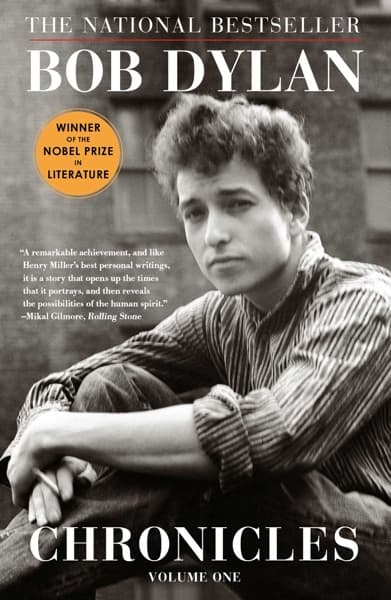
Chronicles
Bob Dylan
Chronicles gives you Dylan as a mind at work, where lyrics grow out of decisions, reading, and reinvention rather than pure mystique.
Reinvention is the real autobiography.
This memoir operates like literature: close to process, full of sharp judgments, and allergic to sentimentality. If you want rock star biographies that change your understanding of songwriting as thinking, this does it by showing how the self gets reauthored.
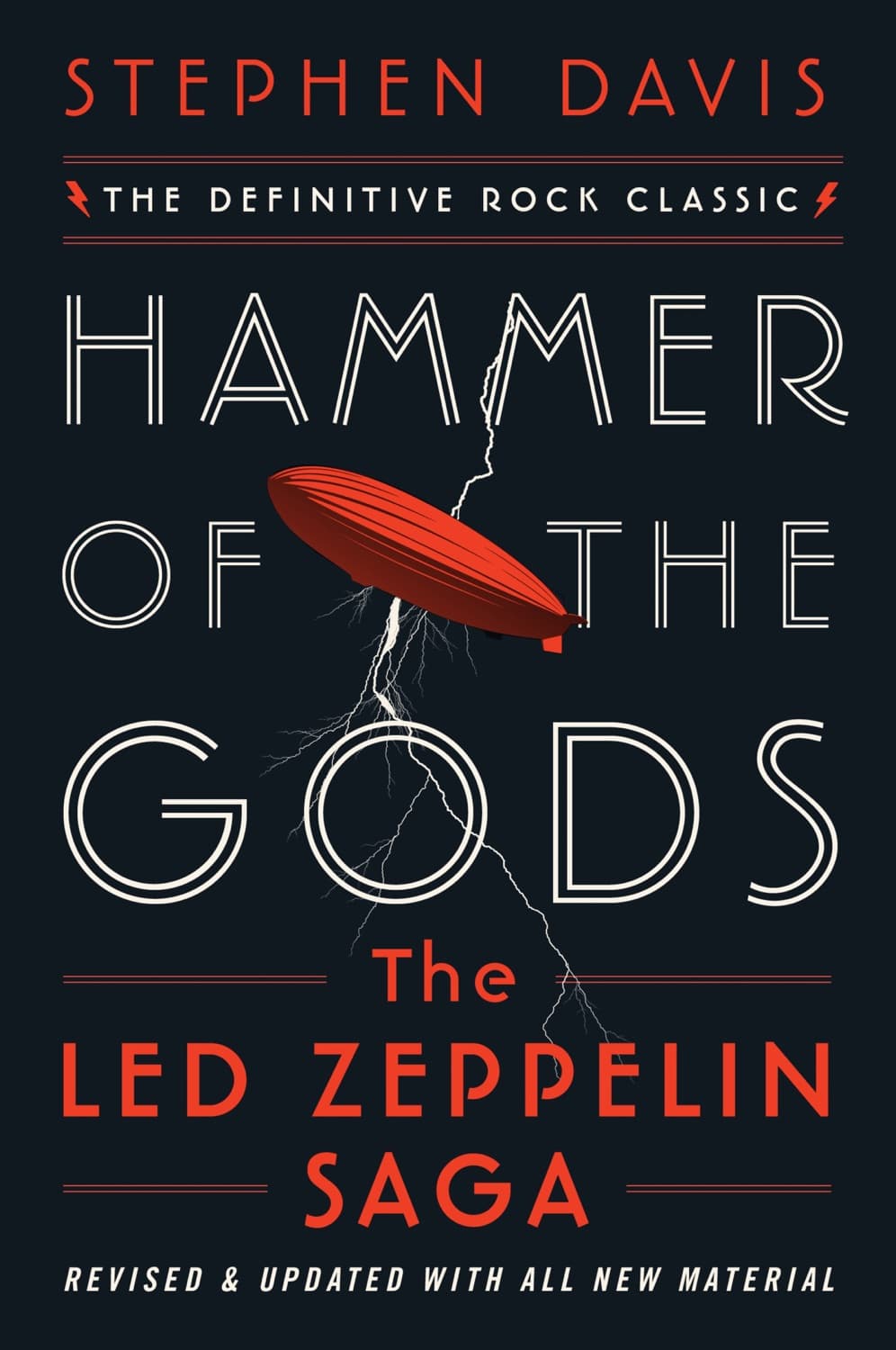
Hammer of the gods
Stephen Davis
Hammer of the gods makes Led Zeppelin feel less like music history and more like a force of nature with a body count of consequences.
Myth is fueled by spectacle and managed decline.
Davis builds the biography around vivid scenes and the band’s gravitational pull, capturing the scale of the myth while still pointing at the human cost. For rock star biographies, it sharpens your lens on how power, excess, and charisma feed each other.
Restlessness is the engine, not the detour.
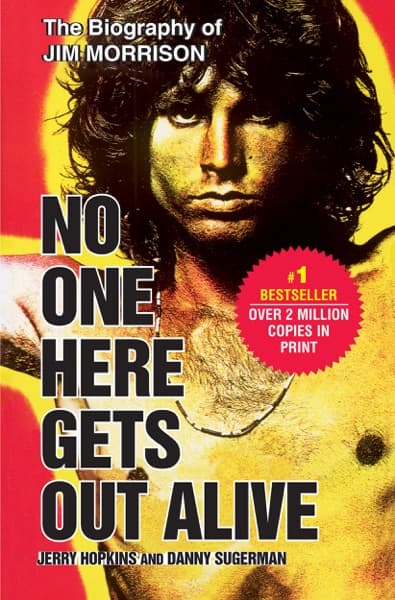
No one here gets out alive
Jerry Hopkins, Danny Sugerman
No one here gets out alive turns Jim Morrison into a lived atmosphere: beautiful, tense, and tragically engineered by the story people told about him.
The legend is part of the mechanism of the fall.
Hopkins and Sugerman helped define the modern rock biography style by combining reported detail with a relentless focus on the myth and the person. If you’re chasing rock biography truth that includes darkness and performance, this reframes fame as a pressure system.

I Am Ozzy
Ozzy Osbourne
I Am Ozzy leaves you with the sense that comedy is Ozzy’s survival method, even when the stories get brutal.
Self-mockery keeps the machine running.
Ozzy’s memoir is fast, blunt, and constantly self-aware, so it reads like a backstage conversation rather than a sanitized biography. For rock star biographies, it changes the temperature: the spotlight doesn’t create reverence, it creates ridiculous risk.
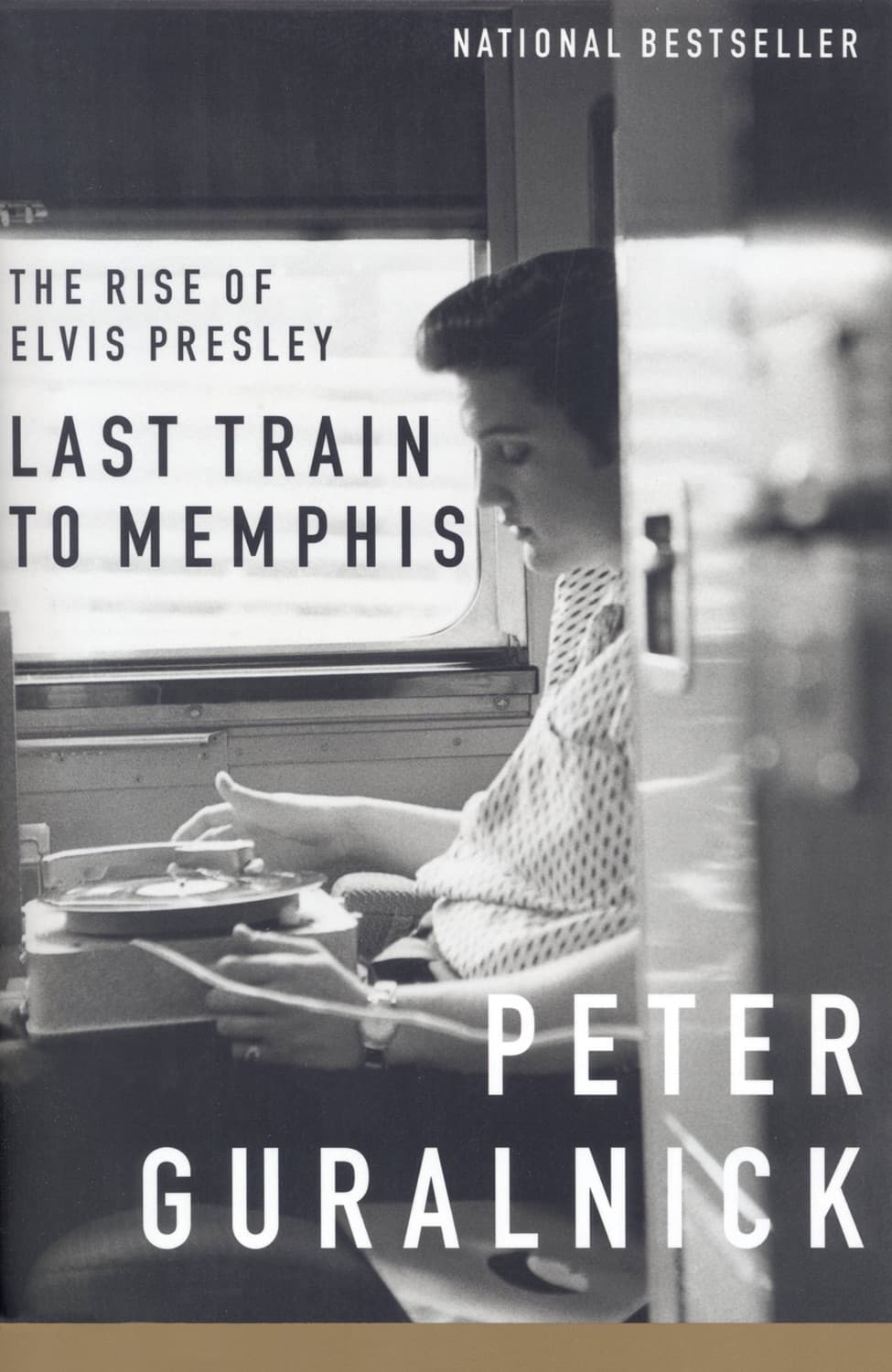
Last Train to Memphis
Peter Guralnick
Last Train to Memphis makes Elvis’s career feel inevitable in hindsight, while still exposing how fragile the choices behind it were.
History is built from decisions, not destiny.
Guralnick blends narrative momentum with deep historical authority, so you get more than a fan-friendly arc. For rock star biographies, it offers a rare shift from personal myth to a fuller ecosystem: producers, labels, cultural tides, and the cost of timing.
Can we tailor this list for you?
Type your question in the bar below and the AI will tailor a fresh set of picks just for you.