Best Books on Rock & Roll
Rock & roll becomes clearer when you read Greil Marcus’s Mystery train or Legs McNeil and Gillian McCain’s Please kill me: both turn songs into American cultural evidence, not just entertainment.
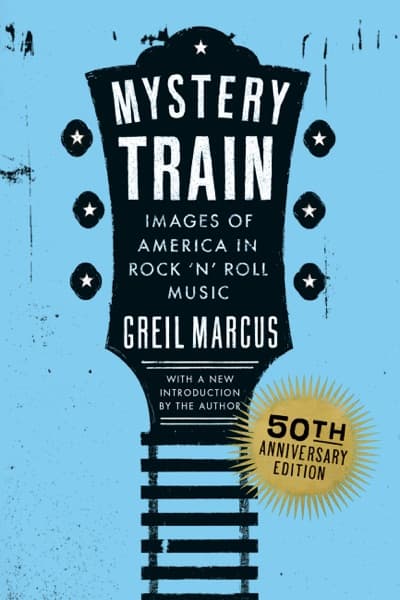
Mystery train
Greil Marcus
After Mystery train, rock and roll reads like a coded map of American myths, where Elvis, protest, and media echoes point to the same haunting question.
Track rock myths through cultural sleight of hand
Marcus builds rock criticism as cultural sleuthing: he traces how performances and stories evolve into larger national meanings. That lens fits rock & roll as a force shaped by history, not only sound.
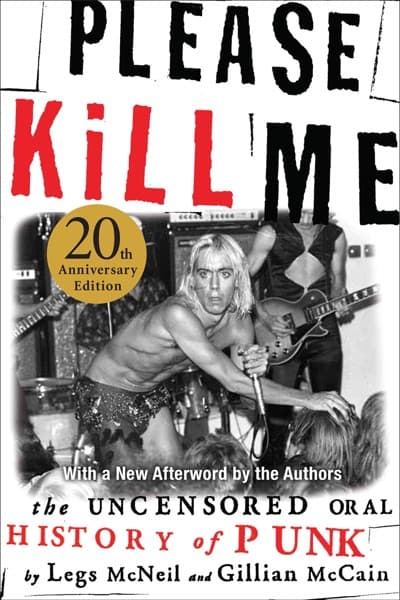
Please kill me
Legs McNeil, Gillian McCain
Please kill me makes punk’s rise feel inevitable, stitched together from backstage voices that sound like they are still breathing on the page.
Oral history builds truth from overlapping memories
McNeil and McCain deliver an oral history that treats punk as rock’s disruptive engine. If your interest is rock & roll’s edge and mythology, this gives it texture through the people who lived it.
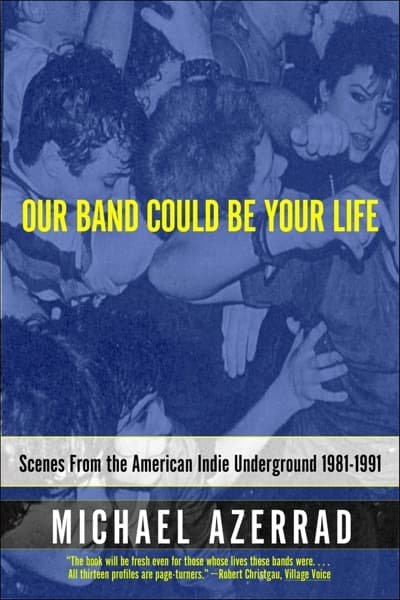
Our Band Could Be Your Life
Michael Azerrad
Finish Our Band Could Be Your Life and the underground stops being a scene and becomes a roadmap: how small bands rewired mainstream ideas.
Indie power spreads through scenes, not labels
Azerrad shows how American indie rock earned its authority by building language, communities, and influence rather than waiting for gates to open. It matches a rock & roll request that wants transformation and context across eras.
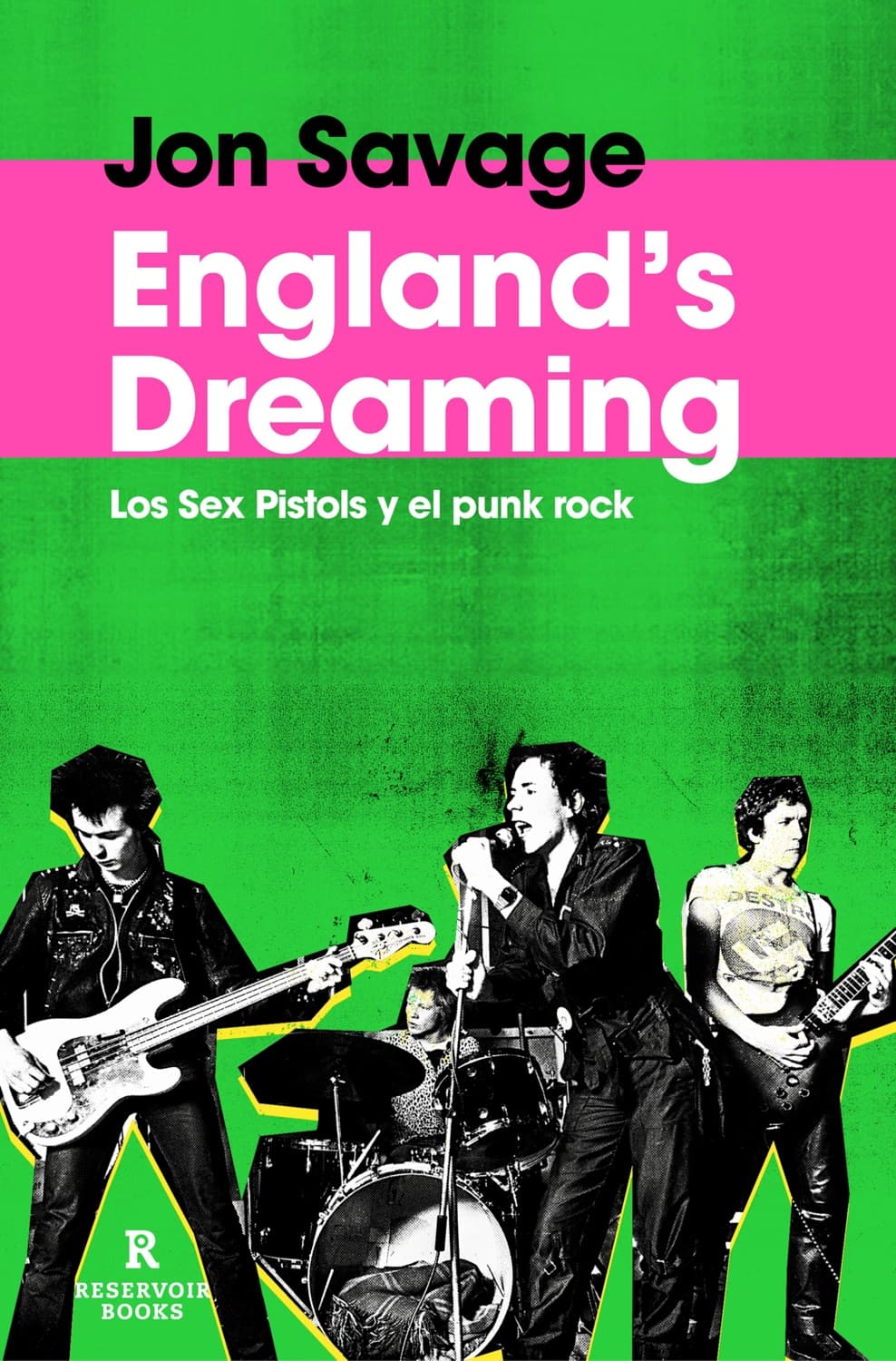
England's dreaming
Jon Savage
England's dreaming turns the Sex Pistols story into a pressure-cooker where style, anger, and media glare produce a whole new musical grammar.
Punk is media amplified rage with a new style
Savage locates punk as a cultural event, not a single band, and he emphasizes how the explosion connected to conditions on the ground. For rock & roll history, it gives you the cultural ignition point.
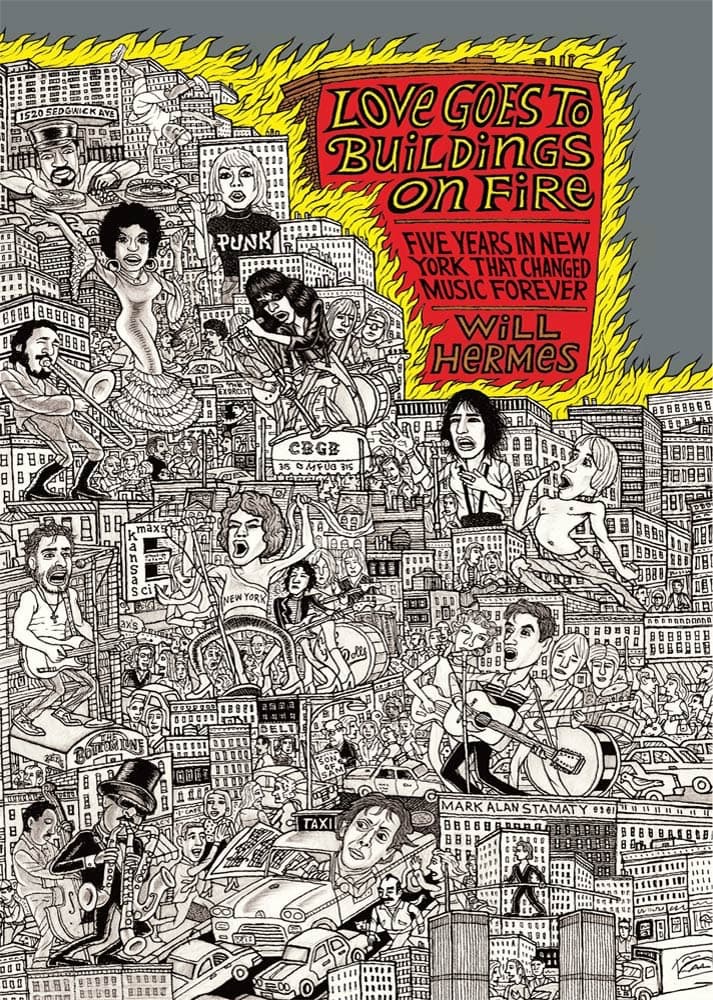
Love Goes to Buildings on Fire
Will Hermes
Love Goes to Buildings on Fire makes 1970s New York sound like a living system: disco, punk, hip-hop roots, and downtown art pulling each other into motion.
Scenes form when venues and art cross-pollinate
Hermes writes rock scene history as narrative and atmosphere, showing how artists, venues, and city energy shaped what counted as music. That matters if you want rock & roll as a place-based transformation.
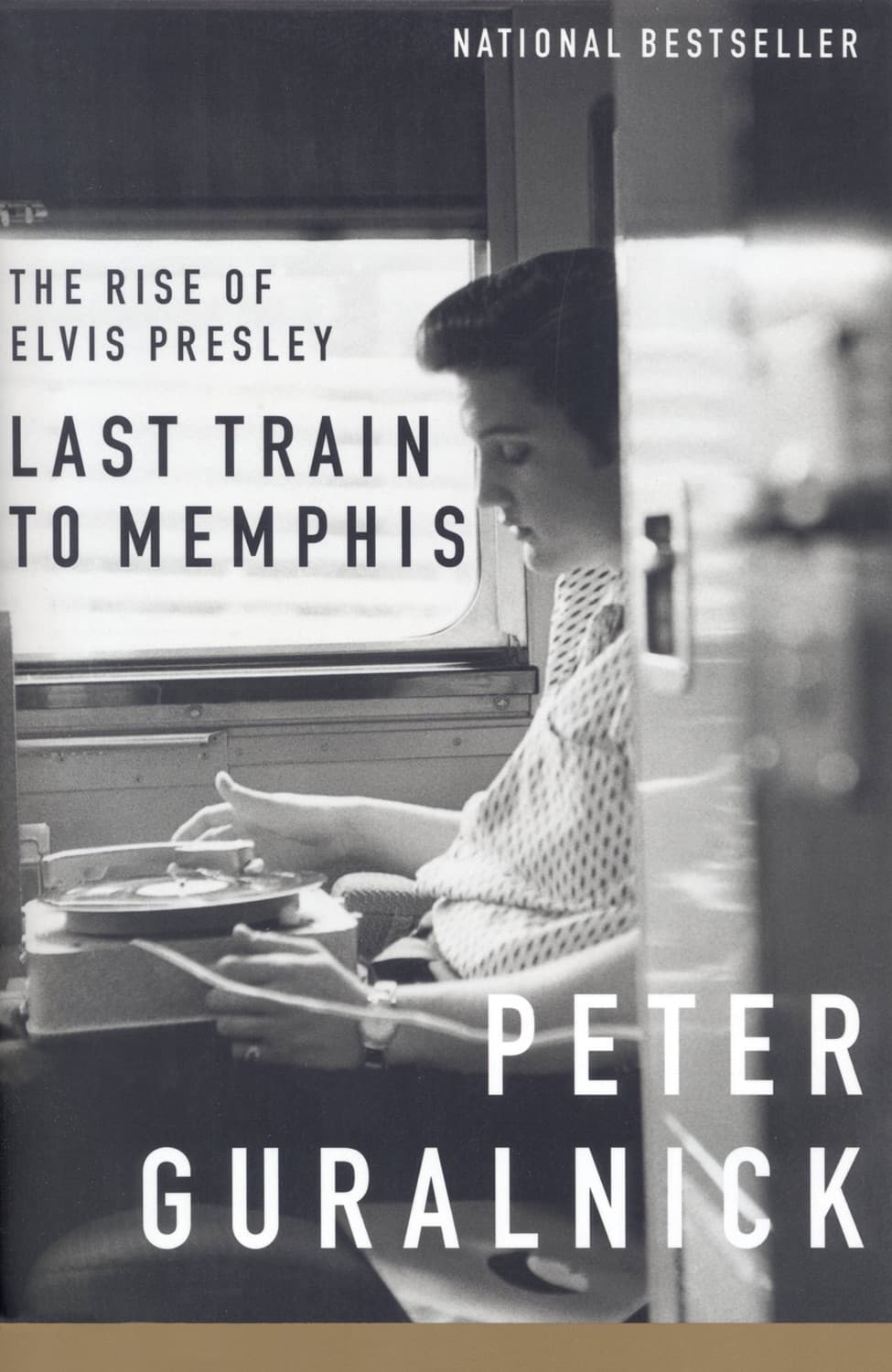
Last Train to Memphis
Peter Guralnick
Last Train to Memphis turns Elvis into a historical pivot, showing how rock and roll crystallized when ambition met mass media and Southern music muscle.
Elvis’s rise mirrors media power learning new rhythms
Guralnick grounds rock & roll’s early transformation in detailed biography and the cultural machinery around it. If you want the origin story with seriousness and depth, this gives you the before-and-after stakes.
Oral history builds truth from overlapping memories
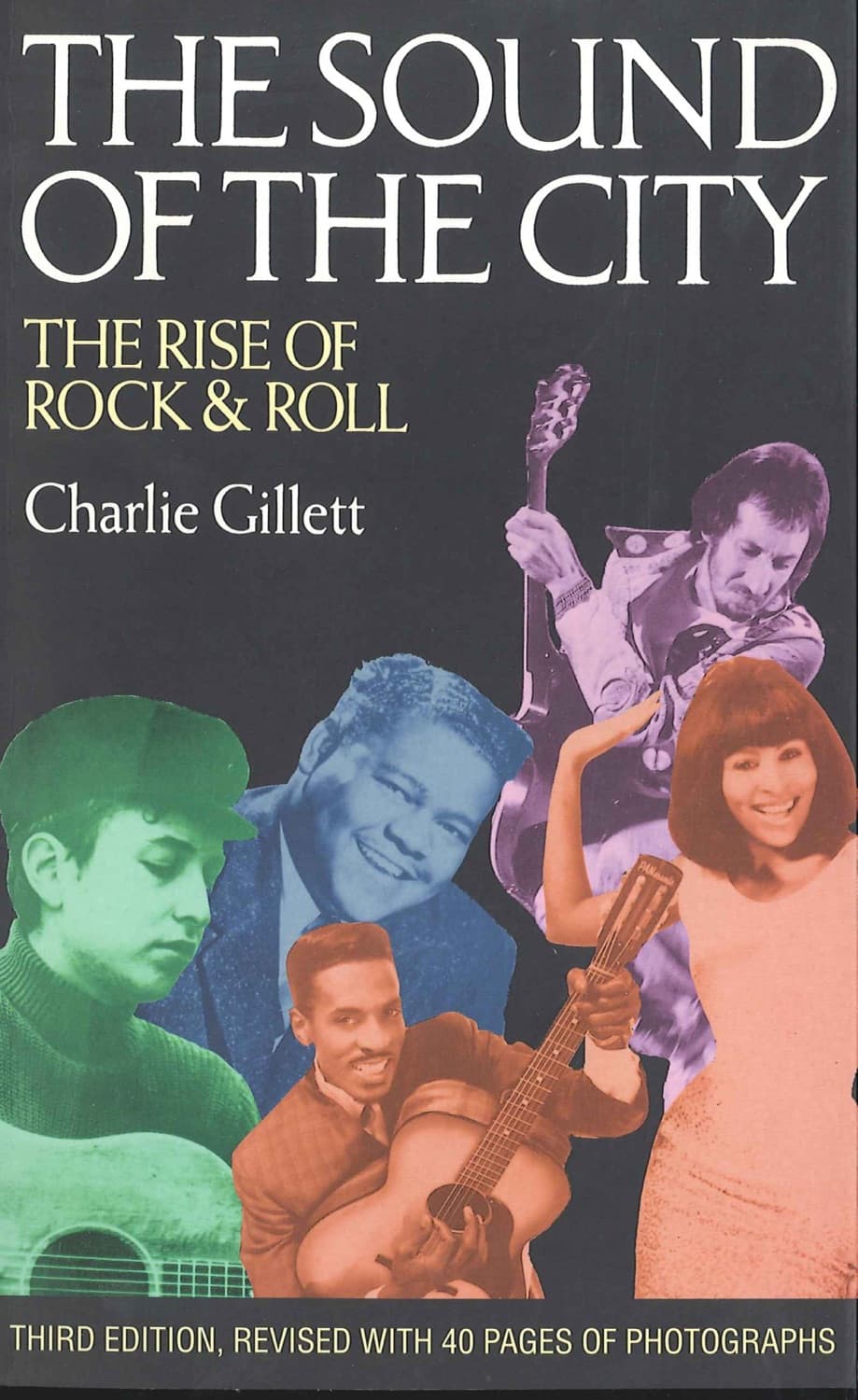
The sound of the city
Charlie Gillett
The sound of the city teaches you to hear the chain from R&B to rock as a continuous street-level conversation, not isolated breakthroughs.
Hear pop as R&B’s long afterlife
Gillett traces how sounds traveled and transformed, making rock and pop feel like an ongoing negotiation. That perspective fits rock & roll as music shaped by origins, migration, and popular taste.
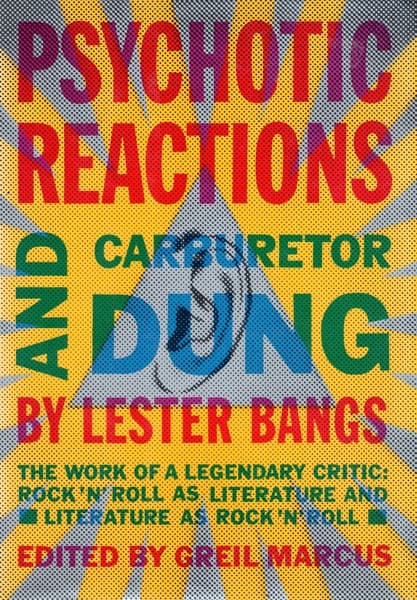
Psychotic Reactions and Carburetor Dung
Lester Bangs
After Psychotic Reactions and Carburetor Dung, guitar-driven noise sounds like a language with slang, politics, and bruised intelligence.
Bang’s rule: judge with attitude and precision
Bangs is famous for letting criticism match rock’s voltage: direct, angry, hilarious, and alive to style. If you want rock & roll through literary voice and perspective, this collection delivers.
Can we tailor this list for you?
Type your question in the bar below and the AI will tailor a fresh set of picks just for you.