Best Books on Pandemics and Epidemics
The history and science of outbreaks runs from John Barry's account of the 1918 flu and Laura Spinney's Pale Rider to Frank Snowden's sweeping Epidemics and Society and David Quammen's Spillover on where new viruses come from. These ten books trace how diseases emerge and how societies respond.
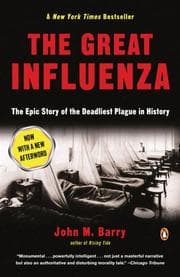
The Great Influenza
John M. Barry, Amelia Pérez de Villlar, John M. Barry
The 1918 flu killed more people than World War I, and John Barry shows exactly how it happened.
Official denial crippled the response to 1918.
Barry braids the science of the influenza virus with the birth of modern American medicine and the wartime censorship that kept the public dangerously misinformed. It teaches how a single outbreak can overwhelm a society and why honest public communication matters. Essential for anyone wanting the fullest, most deeply researched account of history's deadliest flu.
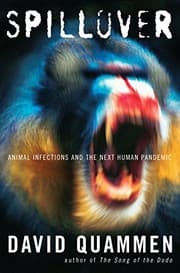
Spillover
David Quammen, Cécile Dutheil de La Rochère, Eva Roques, Laurence Decréau, Pascal Picq
Every new pandemic starts as an animal virus learning to live in us, and David Quammen tracks them to the source.
Most new human diseases jump to us from animals.
Quammen travels the world reporting on Ebola, SARS, and the bat-borne viruses lurking at the edge of human contact, explaining zoonotic spillover with rare clarity. It teaches the central mechanism behind most emerging diseases and why our encroachment on wild habitats keeps triggering them. The best starting point for understanding where pandemics come from.
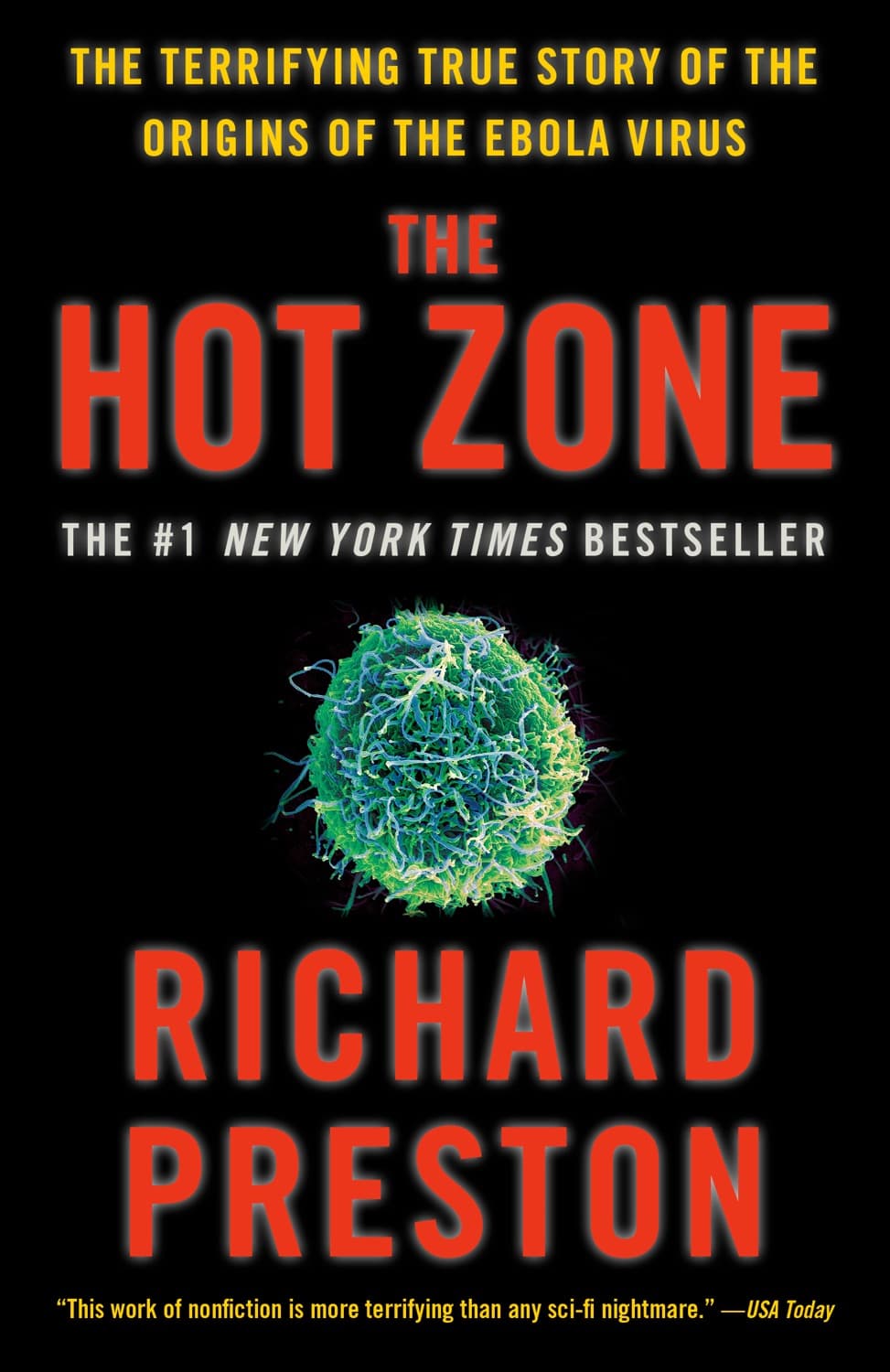
The Hot Zone
Richard Preston, Richard Preston, Preston, Richard
A strain of Ebola surfaces in a monkey lab outside Washington, D.C., and Richard Preston turns it into a horror story that happens to be true.
An Ebola scare once unfolded in a lab near Washington.
Preston's gripping account of a 1989 Ebola outbreak in monkeys near the capital introduced a generation of readers to hemorrhagic fevers and biosafety level 4 containment. It teaches what these viruses do to the body and how thin the line is between a contained scare and a catastrophe. For readers who want the visceral, page-turning side of outbreak science.
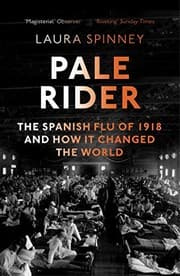
Pale rider
Laura Spinney
The 1918 flu reshaped the modern world, and Laura Spinney recovers the pandemic history nearly forgot.
The 1918 flu touched every continent and was nearly forgotten.
Spinney follows the Spanish flu across six continents, from Alaska to India, weaving epidemiology with social history to show how it altered politics, art, and demographics. It teaches how a global pandemic ripples through every culture it touches and why we collectively repressed its memory. Ideal for readers who want the worldwide, human-scale view of 1918.
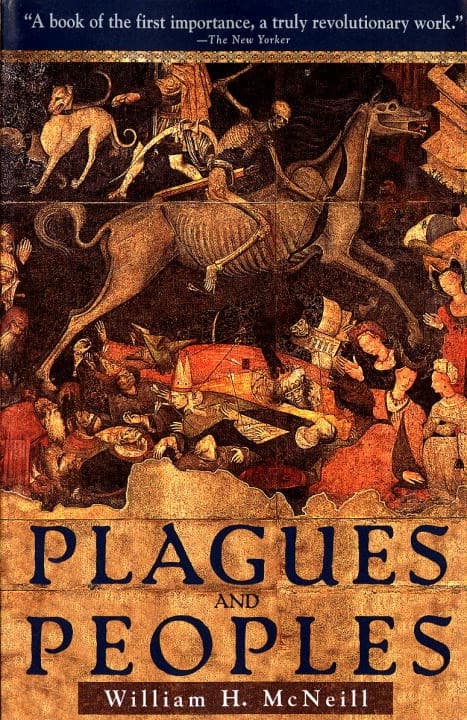
Plagues and Peoples
William McNeill
William McNeill argued that microbes, not just armies, decided the course of human history.
Diseases conquered empires that armies could not.
This 1976 classic reframes the rise and fall of civilizations around the diseases they carried and caught, from the plagues of antiquity to smallpox in the Americas. It teaches the big-picture thesis that epidemics are a driving force of history, an idea that shaped everything written since. Foundational reading for the macro-historical view of disease.
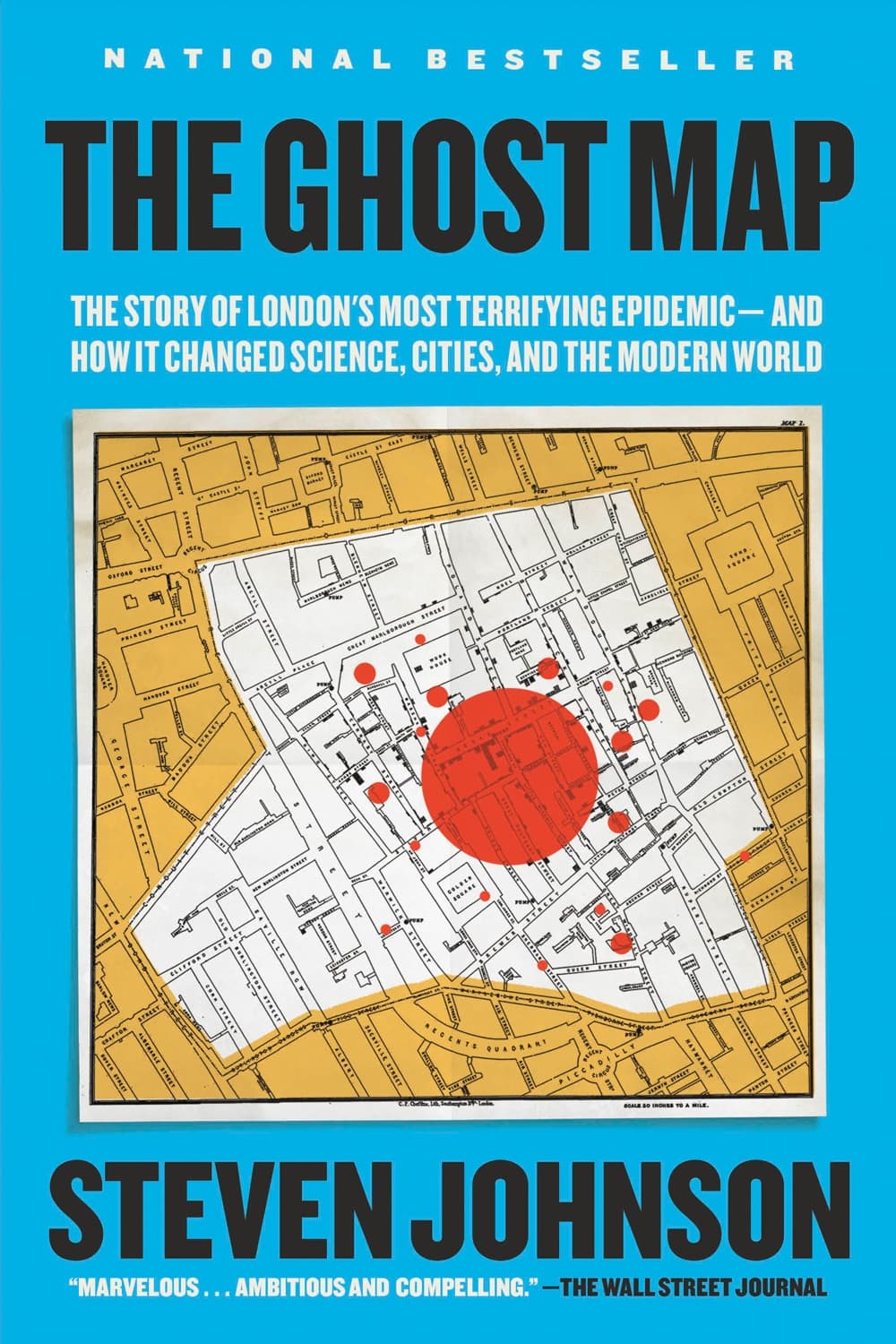
The Ghost Map
Steven Johnson
A cholera outbreak in 1854 London becomes a detective story that invented modern epidemiology.
One map of a water pump founded modern epidemiology.
Steven Johnson reconstructs how physician John Snow mapped a deadly cholera cluster to a single water pump, overturning the prevailing miasma theory. It teaches how evidence and mapping defeated superstition and birthed public health as a discipline. Perfect for readers who love a tight, propulsive narrative with a clear intellectual payoff.
Most new human diseases jump to us from animals.
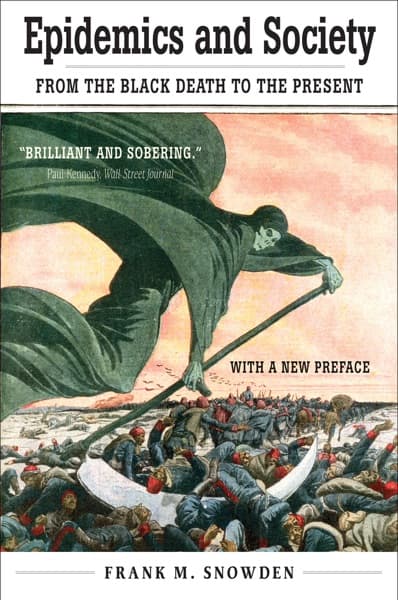
Epidemics and Society
Frank M. Snowden
Frank Snowden traces 2,500 years of epidemics and shows how each one reshaped the society it struck.
Every epidemic exposes the society it strikes.
Drawn from a famous Yale lecture course, Snowden's sweeping survey runs from plague and cholera to AIDS and Ebola, linking each disease to the politics, poverty, and institutions around it. It teaches that epidemics are as much social events as biological ones. One of the best one-volume histories for serious readers ready to go deep.
The coming plague
Laurie Garrett
Years before COVID, Laurie Garrett warned that the world was dangerously unprepared for the next plague.
We were warned about the next pandemic decades early.
Garrett's monumental survey of emerging diseases, from Ebola to drug-resistant TB to HIV, documents how complacency and underfunded public health left humanity exposed. It teaches the systemic, infrastructural side of pandemics: why outbreaks keep catching us off guard. Best for readers who want a comprehensive, prophetic account of global disease ecology.
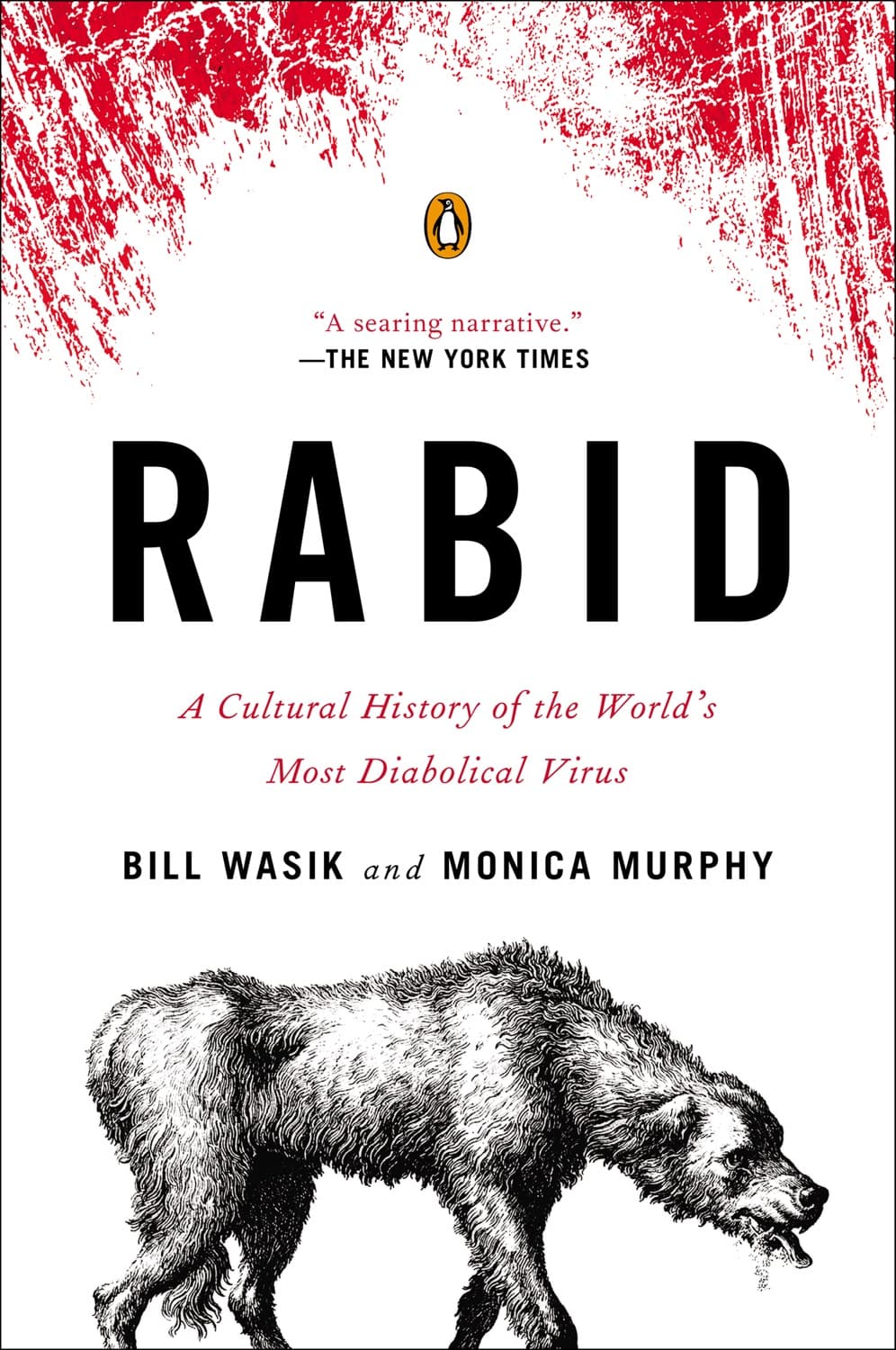
Rabid
Bill Wasik, Monica Murphy
Bill Wasik and Monica Murphy trace one virus, rabies, from ancient myth to modern lab, and it is the rare disease that's almost always fatal.
Rabies shaped our monster myths before our medicine.
This cultural and scientific biography follows rabies through werewolf and vampire legends, Pasteur's first vaccine, and present-day outbreaks. It teaches how a single pathogen can shape human imagination as deeply as it shapes biology. A delightful hidden gem for readers who want depth on one disease rather than a survey.
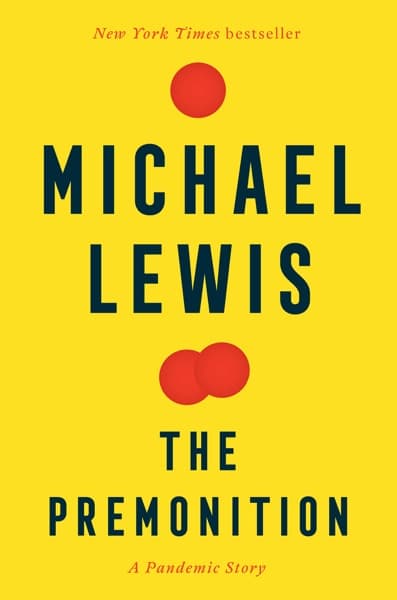
The Premonition
Michael Lewis
Michael Lewis finds the misfit scientists who saw COVID coming and couldn't get anyone to listen.
The people who saw COVID coming were ignored.
Lewis profiles the public-health outsiders, from a Bay Area health officer to a band of self-styled disease cowboys, who understood the pandemic threat that institutions missed. It teaches why America's response failed despite having the world's best expertise. The sharpest narrative on how modern societies fumble an outbreak in real time.
Can we tailor this list for you?
Type your question in the bar below and the AI will tailor a fresh set of picks just for you.