Best Books on Virology & How Viruses Spread
Virus spread makes more sense through Spillover by David Quammen and The Viral Storm by Nathan Wolfe: both trace how infections move from animals to humans, then scale up under real-world conditions.
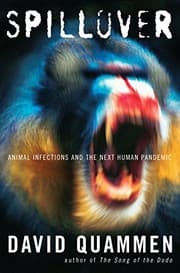
Spillover
David Quammen, Cécile Dutheil de La Rochère, Eva Roques, Laurence Decréau, Pascal Picq
Spillover turns “emerging infections” into a chain of ecological events you can actually picture, from wildlife contact to human outbreaks.
Spillover happens at the interface of ecology and human behavior.
It follows zoonotic spillover pathways and the conditions that let viruses jump and then adapt. That lens makes virus spread feel less mysterious and more trackable, especially when you think in ecosystems instead of only hospitals.
Viruses: A Very Short Introduction
Dorothy H. Crawford
This short guide replaces vague “virus talk” with the specific biological moves viruses make to survive, replicate, and spread.
Transmission depends on what the virus does between hosts.
It builds a clean mental model for how viral life cycles connect to transmission. When you are trying to understand spread, having the basics of replication and viral structure under your thumb reduces confusion.
Understanding Viruses
Teri Shors
Understanding Viruses helps you see viral evolution and replication as the engine behind why some pathogens spread better than others.
Evolution changes who spreads, not just who gets infected.
It emphasizes mechanisms that shape viral fitness, persistence, and how populations change over time. That matters for virus spread because transmission is not only exposure, it is also selection.
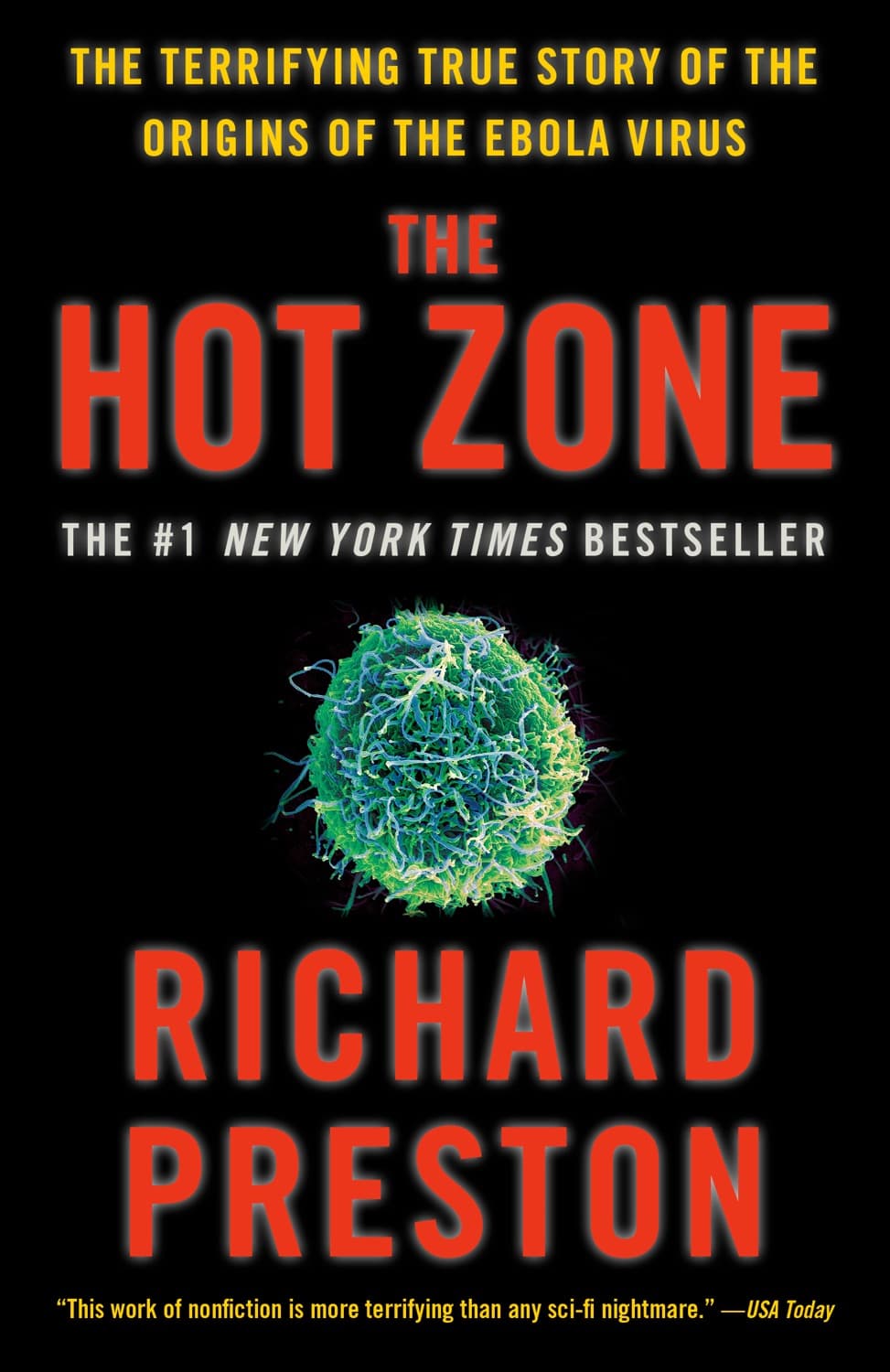
The Hot Zone
Richard Preston, Richard Preston, Preston, Richard
The Hot Zone makes hemorrhagic fever feel disturbingly plausible: the path from exposure to outbreak can be closer than you want to believe.
Containment failures can be the real accelerant.
It is a vivid outbreak classic that concentrates on containment challenges and how transmission risk is managed. If your interest is how viruses spread, it sharpens your attention to what goes wrong when defenses fail.
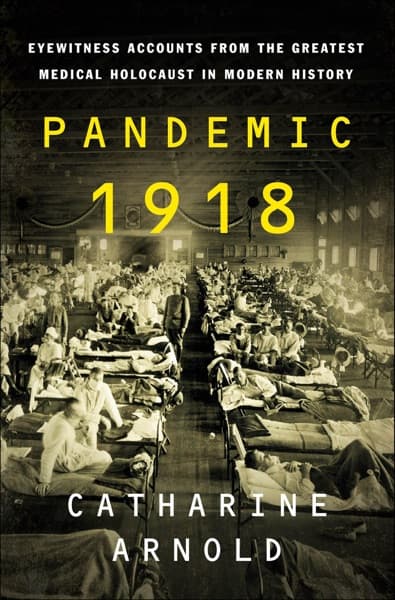
Pandemic 1918
Catharine Arnold
Pandemic 1918 shows how influenza spread can outpace institutions, leaving public health decisions behind the curve.
Public health lag turns outbreaks into pandemics.
It frames transmission as a social and operational problem, not only a biological one. For learning “how viruses spread,” it grounds the virus in timing, travel, and human-scale breakdowns.
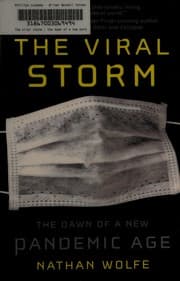
The Viral Storm
Nathan Wolfe
The Viral Storm argues that the next wave of epidemics is driven by where we live and how we connect, not by rare bad luck.
Risk rises when human networks overlap with animal reservoirs.
It connects virology with patterns of global movement and animal-human interfaces. That trade-off is useful: you get an accessible guide to spread while still keeping the scientific drivers in view.
Transmission depends on what the virus does between hosts.
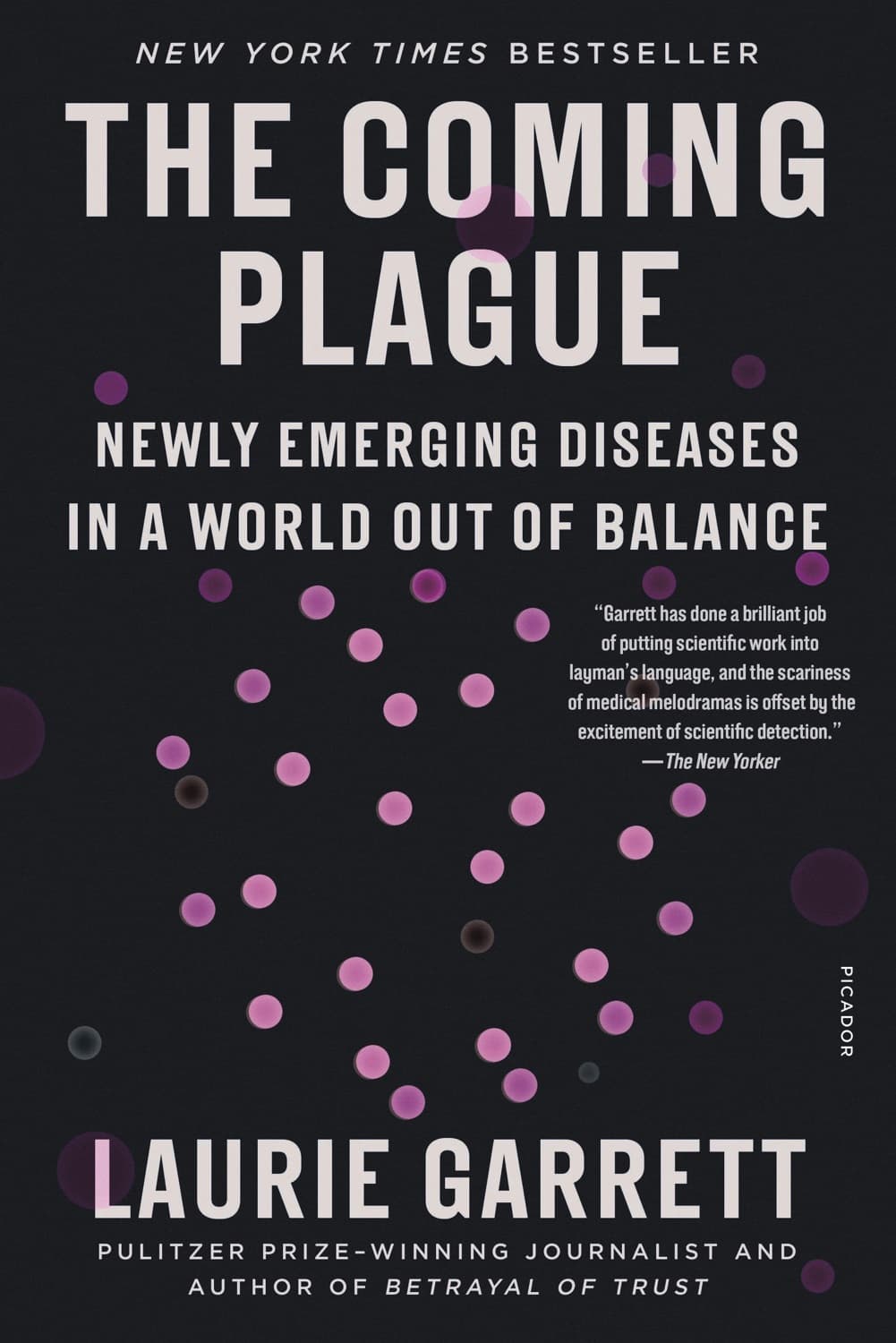
The coming plague
Laurie Garrett
The coming plague treats “new viruses” as a predictable outcome of surveillance, politics, and health-system capacity.
Preparedness gaps help viruses find room to spread.
It investigates emerging infections and response, mapping how spread is shaped by preparedness and institutional constraints. For your topic, that means reading transmission alongside the systems that either detect or miss it.
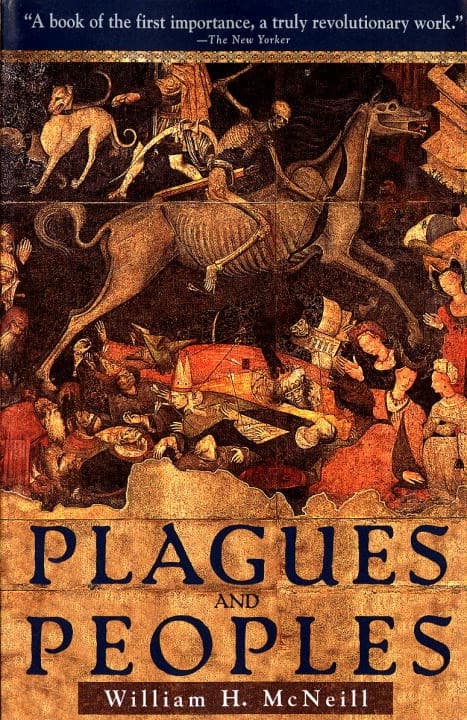
Plagues and Peoples
William McNeill
Plagues and Peoples frames epidemics as recurring features of history, shaped by migration, trade, and shifting contacts.
Contact networks drive epidemic opportunities.
It is big-picture rather than molecular, but that is exactly what complements virology: it explains why opportunities for spread expand when societies connect. For understanding virus spread broadly, it gives the human geography behind outbreaks.
Can we tailor this list for you?
Type your question in the bar below and the AI will tailor a fresh set of picks just for you.