Best Books on Hostage Negotiation
Hostage negotiation books that actually change how you speak under pressure: Chris Voss in Never Split the Difference, George Kohlrieser in Hostage at the Table, and Gary Noesner in Stalling for Time. The shared thread is rapport-plus-timing, not macho tactics.
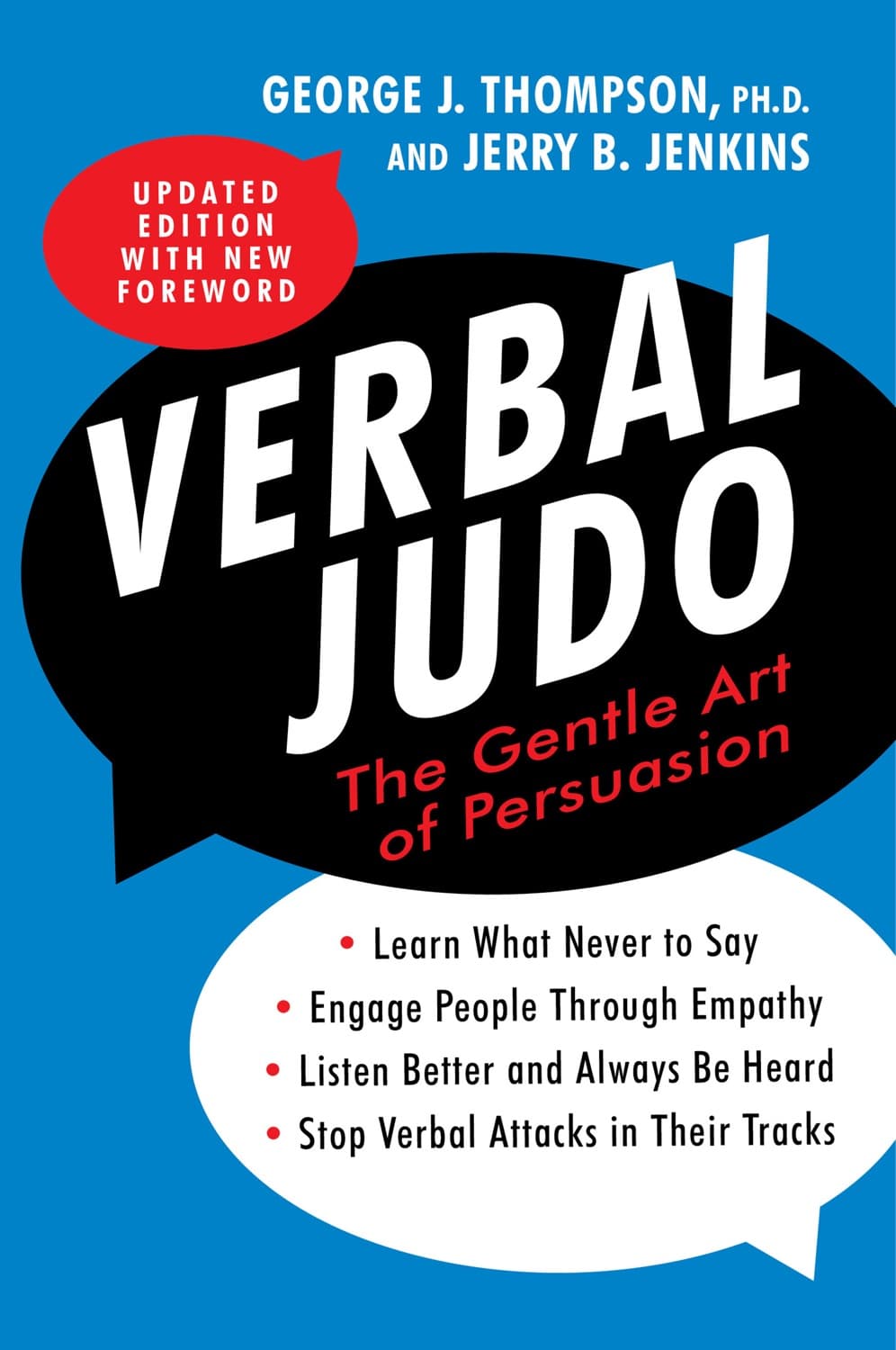
Verbal judo
George J. Thompson
Verbal judo trains you to treat every escalation as a communication problem you can interrupt, not a conflict you have to win.
Aim for compliance through calm, not argument
You get practical de-escalation language focused on pacing, pressure resistance, and keeping the exchange from locking into anger. For hostage negotiation, that matters because your words are often the only lever available while emotions spike.
Getting to Yes
Roger Fisher
Getting to Yes reframes “negotiation” as separating people from the problem so you can keep the relationship intact while moving toward agreement.
Negotiate interests, not positions
It gives a clear model for principled negotiation: interests over positions, options for mutual gain, and objective criteria. In a hostage context, that lens helps you avoid being pulled into threats as “positions” and instead steer toward solvable underlying needs.
The Power of Nice
Mark Jankowski, Ron Shapiro
The Power of Nice turns politeness into a pressure tool: warmth and steadiness that lower friction when the stakes are high.
Use warmth to reduce resistance and open options
Rather than treating niceness as soft, it treats rapport-building as a strategic constraint on escalation. That maps directly onto hostage negotiation, where maintaining a controlled tone can prevent the other side from hardening into intractable demands.
Never Split the Difference
Chris Voss, Tahl Raz
Never Split the Difference replaces bargaining instincts with mirroring, labeling, and calibrated questions that make the other side feel understood and move anyway.
Label to manage emotion and extract the real issue
It operationalizes hostage negotiation tactics into repeatable communication moves, emphasizing how you elicit real information and regain control without escalating. For hostage negotiation learning, the shift is from “talking them down” to managing emotions and cognition through language.
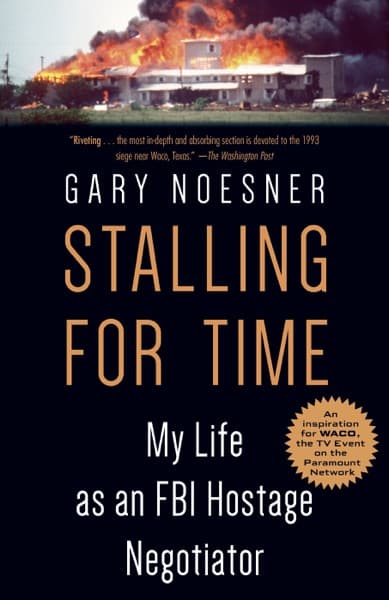
Stalling for Time
Gary Noesner
Stalling for Time argues that the negotiator’s job is to buy psychological space, using time to change what’s possible for everyone involved.
Use time to shift choices and perception
As a longtime FBI hostage negotiator insider, it focuses on what actually happens during sustained conversations and why waiting can be the most deliberate action. That matters for your topic because hostage outcomes often hinge on momentum control, not just the final message.
Hostage at the Table
George Kohlrieser
Hostage at the Table uses hostage dynamics as a metaphor for ordinary negotiations, showing how uncertainty and fear can reshape every “business” exchange.
Create safety so cooperation becomes thinkable
It brings a negotiation framework built around captivity-style constraints: limited control, intense emotion, and the need for psychological safety. For learning hostage negotiation, the payoff is transferring those lessons into clearer strategy: what to do when the other side is trapped in a threat-based reality.
Can we tailor this list for you?
Type your question in the bar below and the AI will tailor a fresh set of picks just for you.