Best Books on Brand Identity
Brand identity stands or falls on the system behind the logo: Alina Wheeler’s Designing brand identity anchors the whole practice, and David Airey’s Logo design love turns strategy into repeatable marks.
Designing brand identity
Alina Wheeler
You stop treating brand identity as a “look” and start managing it like a living system with rules for behavior, touchpoints, and consistency.
Brand identity is a system, not a style.
Wheeler connects identity decisions to real-world rollout and long-term governance, so the strategy does not evaporate after the logo is approved. That makes it especially useful when you want identity that scales beyond a single campaign.
Logo design love
David Airey, David Airey
A good logo stops being a pretty shape and becomes a structured toolkit that holds up across sizes, contexts, and uses.
Design a logo system, not a single logo.
Airey breaks logo design into practical system thinking, so your brand identity stays coherent when the mark gets stretched, simplified, or applied in the real world. It is a strong companion to broader brand identity work when you want to operationalize the “identity” part at the mark level.
The brand gap
Marty Neumeier
Neumeier gives you a new mental line between brand strategy and brand design, making it harder for either side to hide behind vagueness.
The gap is what happens when brand design is disconnected.
This book compresses the bridge between brand and execution, which matters when identity efforts stall because strategy never becomes tangible design decisions. It is ideal if you want a sharper way to align positioning with what people actually see and feel.
Brand Identity Essentials
Kevin Budelmann, Yang Kim, Curt Wozniak
Identity becomes concrete through the “core elements” approach: choose the foundations deliberately, then build outward without losing meaning.
Start with the essential components, then expand.
Budelmann, Kim, and Wozniak give a friendly entry point to the essential components of brand identity, so you can map what you have and what is missing. It is especially helpful when you need an accessible reference before you go deeper into strategy or logo systems.
How to Launch a Brand Ed. 2 (Trade Edition)
Fabian Geyrhalter
Launching an identity stops being a launch event and becomes a repeatable process that turns brand intent into deployable assets.
A brand launch is process, not a single moment.
Geyrhalter focuses on brand foundations and how to move from concept to implementation without leaving stakeholders behind. If your real pain is getting from “brand idea” to “brand that works,” this supports the operational side.
Building A StoryBrand
Donald Miller
Your brand message stops sounding like marketing and starts sounding like a guide the customer can follow.
Position the customer as the hero with a clear guide.
StoryBrand reframes identity communication into a clear narrative structure, which strengthens brand identity as people experience it through words. That matters when brand visuals exist but the messaging fails to create recognition and trust.
Design a logo system, not a single logo.
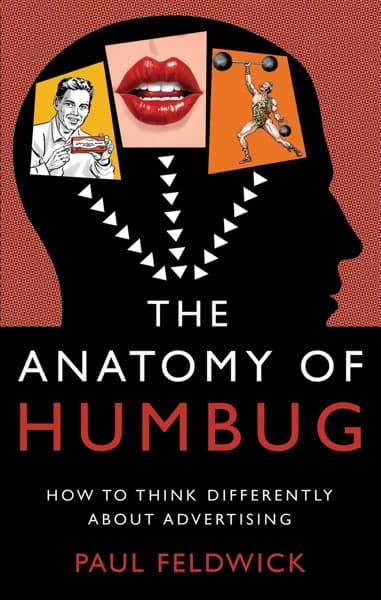
The Anatomy of Humbug
Paul Feldwick
Brand identity gets cleaner when you learn to spot “humbug” in how companies disguise empty meaning behind jargon and clever claims.
Beware brand talk that replaces evidence.
Feldwick brings sharper skepticism to branding, helping you evaluate whether identity choices actually create belief. For brand identity work, that translates into more disciplined language, more honest positioning, and less confusion between persuasion and substance.

Identity Designed
David Airey
Identity design is revealed as a craft of constraints: you see how strong systems are built to survive real-world friction.
Look for the system logic, not the surface.
Airey’s designer-focused perspective helps you learn how identity systems are shaped, documented, and defended by practitioners. If you want brand identity that holds up in production, this moves beyond theory to how designers think in systems.
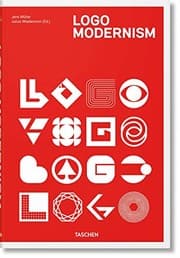
Logo modernism
Jens Müller
Logo modernism trains your eye to see identity marks as disciplined reduction and structure, not decorative invention.
Reduction is a functional design strategy.
Müller’s visual history and analysis help you understand why certain identity forms work across time and contexts. That perspective sharpens your own identity decisions by making style choices feel intentional and systematic.
Can we tailor this list for you?
Type your question in the bar below and the AI will tailor a fresh set of picks just for you.