Best Books on Michelin Star Restaurants
Michelin-star restaurants viewed through chef memoirs and kitchen systems: Rudolph Chelminski’s The Perfectionist, Thomas Keller’s The Complete Keller, and Michael Ruhlman’s The Soul of a Chef show what “excellence” costs, and how it gets built.
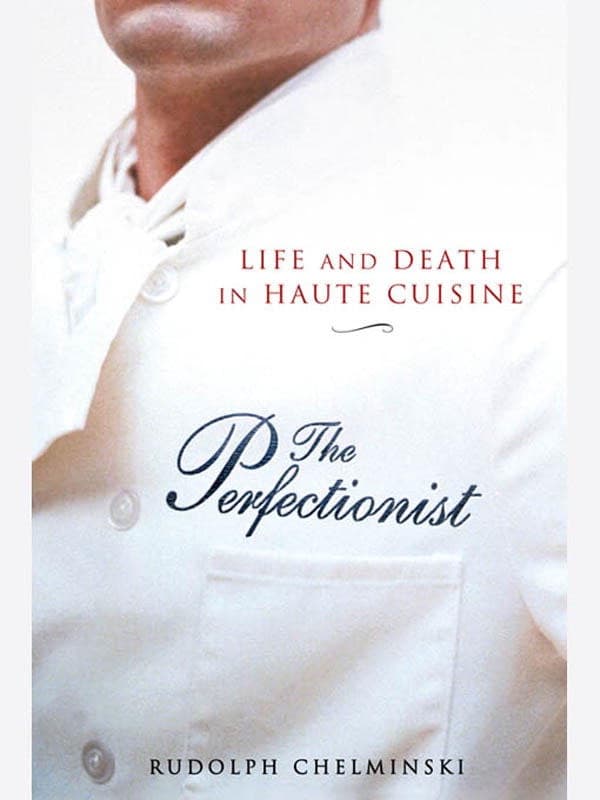
The Perfectionist
Rudolph Chelminski
Bernard Loiseau’s perfection was not a vibe: it was a constant production system, and the story shows how that machinery breaks people.
Perfection can become a self-perpetuating pressure loop.
Chelminski writes the Michelin fantasy from inside the French haute cuisine world: standards, fear, and the pressure to stay flawless. It fits Michelin-star restaurants because it explains the human cost behind the plate, not just the food.
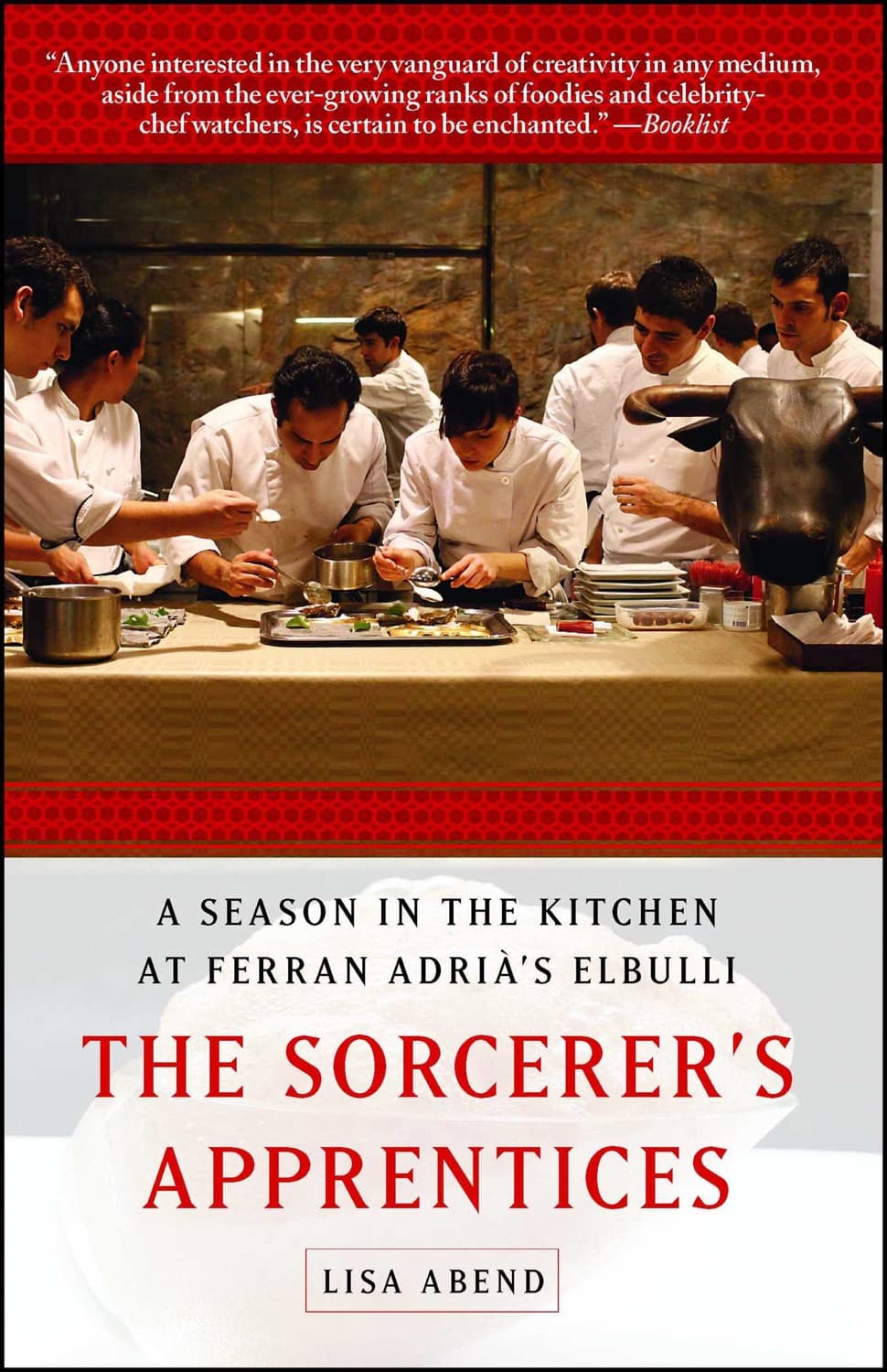
The Sorcerer's Apprentices
Lisa Abend
elBulli’s myth was built on experiments, relentless iteration, and a culture that treated failure like data.
Great restaurants prototype ideas like a lab.
Abend’s behind-the-scenes look at elBulli connects Michelin acclaim to how a top restaurant thinks and designs. If Michelin stars interest you for the craft, this shows the method behind the magic: research, constraints, and constant revision.
White Heat
Marco Pierre White
Marco Pierre White’s story turns Michelin success into a ruthless apprenticeship where intimidation and precision are inseparable.
Excellence is trained through repeated, uncompromising correction.
As a memoir from Britain’s youngest three-Michelin-star chef, it’s less about glamour and more about the discipline that gets there. It suits Michelin-star restaurant interest by showing how standards are enforced, not merely admired.
The Big Fat Duck Cookbook
Heston Blumenthal
The Big Fat Duck doesn’t chase novelty blindly: it uses science, memory, and flavor logic to make surprises feel inevitable.
Use flavor principles to design surprise, not chaos.
Blumenthal’s kitchen philosophy is modernist, but the book keeps the focus on why flavors work. That matters for Michelin-star restaurants because it shows how elite dining earns wonder through controlled thinking, not random theatrics.
Larousse Gastronomique
Prosper Montagné
Larousse Gastronomique is the long memory behind Michelin menus: it preserves techniques, sauces, and terminology that chefs still rely on.
Classical technique remains the shared Michelin language.
Even when Michelin kitchens go modern, they build on classical grammar. This reference grounds the tradition so you can see what the stars are refining, remixing, or rebelling against.
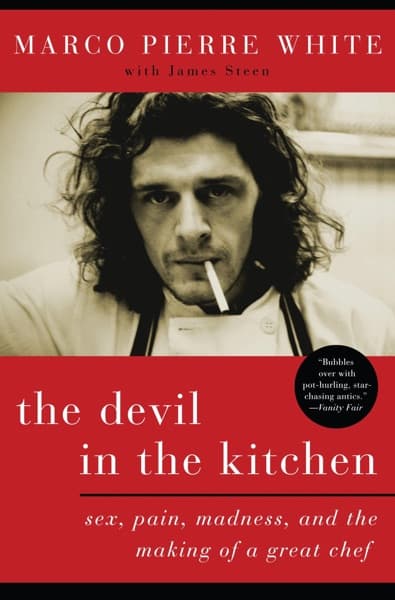
The Devil in the Kitchen
Marco Pierre White
Marco Pierre White frames cooking mastery as survival: ego, pain, and discipline converge under Michelin-level scrutiny.
Talent is nothing without controlled pressure and standards.
This memoir distills how a three-star mindset is forged, from standards to hierarchy to consequences. It helps with Michelin-star restaurant interest by showing what gets sacrificed to keep the lights on and the bar high.
Great restaurants prototype ideas like a lab.
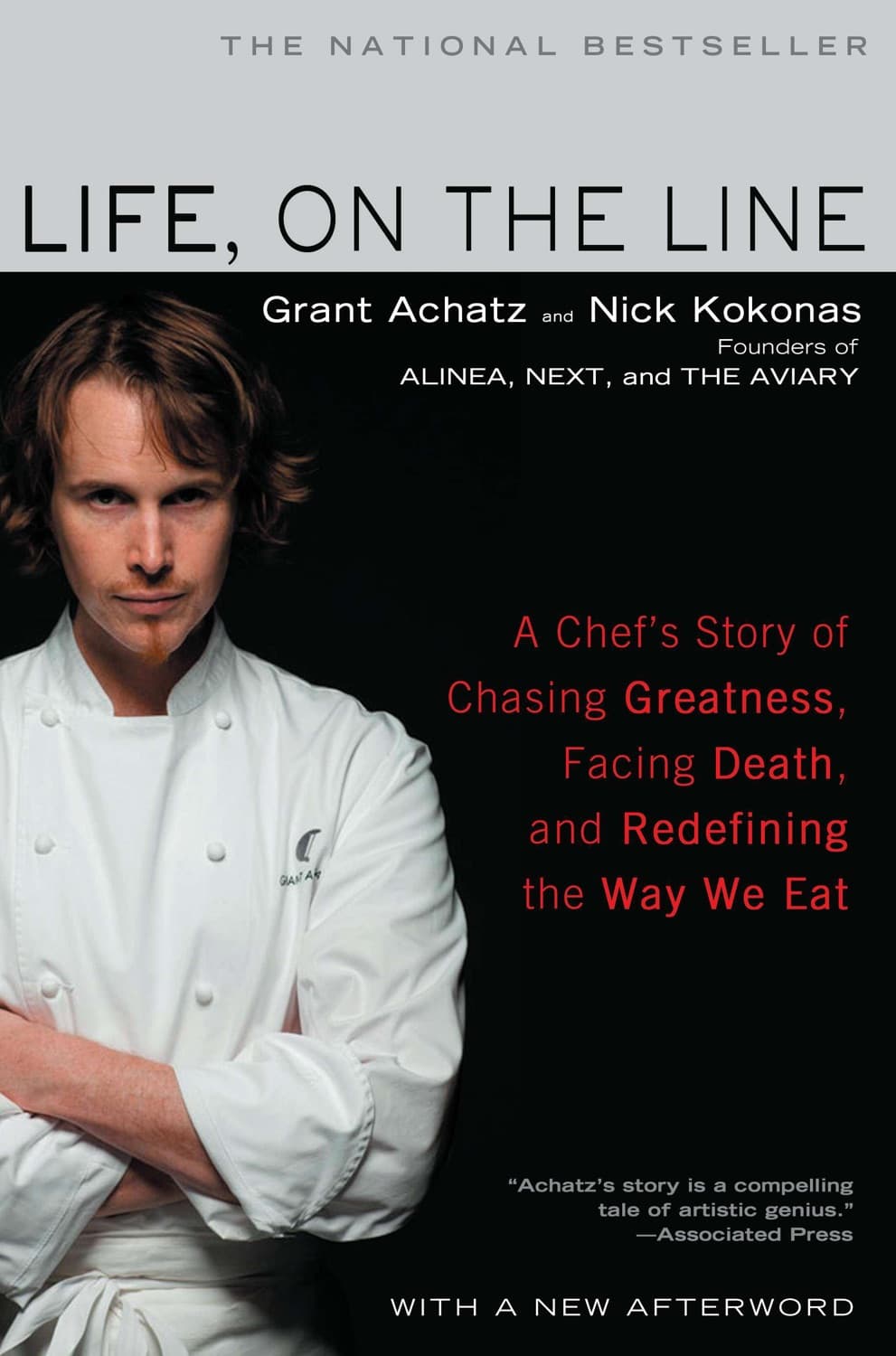
Life, on the Line
Grant Achatz, Nick Kokonas
Building Alinea meant turning ambition into a daily system: culture, training, and risk management alongside creativity.
Culture is built into the schedule, not just the mission.
Achatz and Kokonas write the restaurant-building mechanics behind a landmark Michelin-starred dining room. For Michelin restaurants, it shifts the lens from chef mystique to how a top kitchen actually runs and evolves.
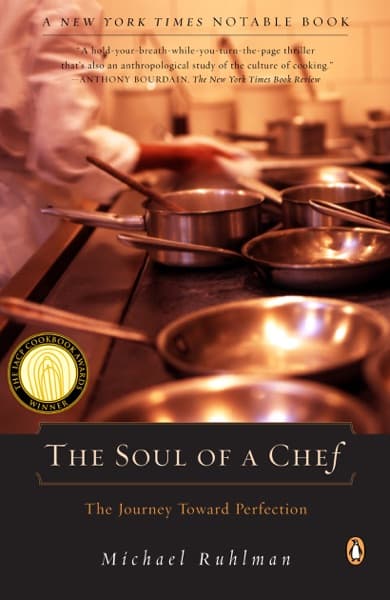
The Soul of a Chef
Michael Ruhlman
Ruhlman shows excellence as a craft path: mastery comes from habits, mentorship, and the willingness to keep being corrected.
A chef’s real tool is constant feedback.
This portrait of chefs chasing excellence across high-end kitchens maps the mindset Michelin kitchens reward: precision, curiosity, and relentless learning. It’s a useful companion if you want to understand the human thread running through Michelin-star dining.
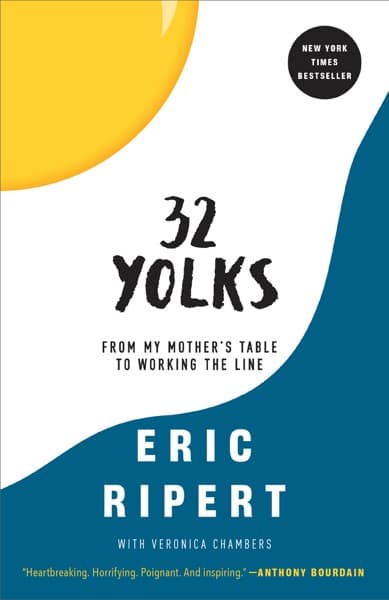
32 Yolks
Eric Ripert, Veronica Chambers
Eric Ripert’s path to Le Bernardin turns cooking into a philosophy of restraint and care, where sauce and time do the talking.
Great cooking is mostly disciplined patience.
Ripert’s formative story connects Michelin recognition to how a chef thinks about ingredients, technique, and calm execution. For Michelin-star restaurants, it highlights the values behind the finishing: texture, balance, and respect for process.
Can we tailor this list for you?
Type your question in the bar below and the AI will tailor a fresh set of picks just for you.