Best Books on Mergers & Acquisitions
Mergers & Acquisitions books that actually change how you think: DePamphilis, Bruner and Perella, and Sherman all build a deal-by-deal lens, from valuation to integration.
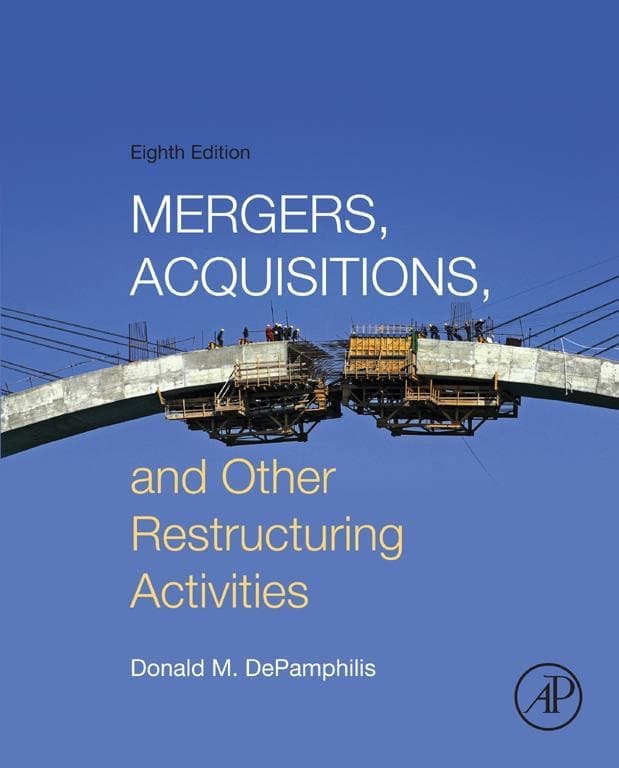
Mergers, Acquisitions, and Other Restructuring Activities
Donald DePamphilis
DePamphilis builds a repeatable restructuring framework, so you can compare M&A structures and financing options through the same valuation logic.
Structure and financing affect the value story.
As a standard reference, it helps you connect how deals are financed and structured to how value is created and preserved. This is useful when you want depth across valuation, process, and integration rather than a narrower thematic guide.
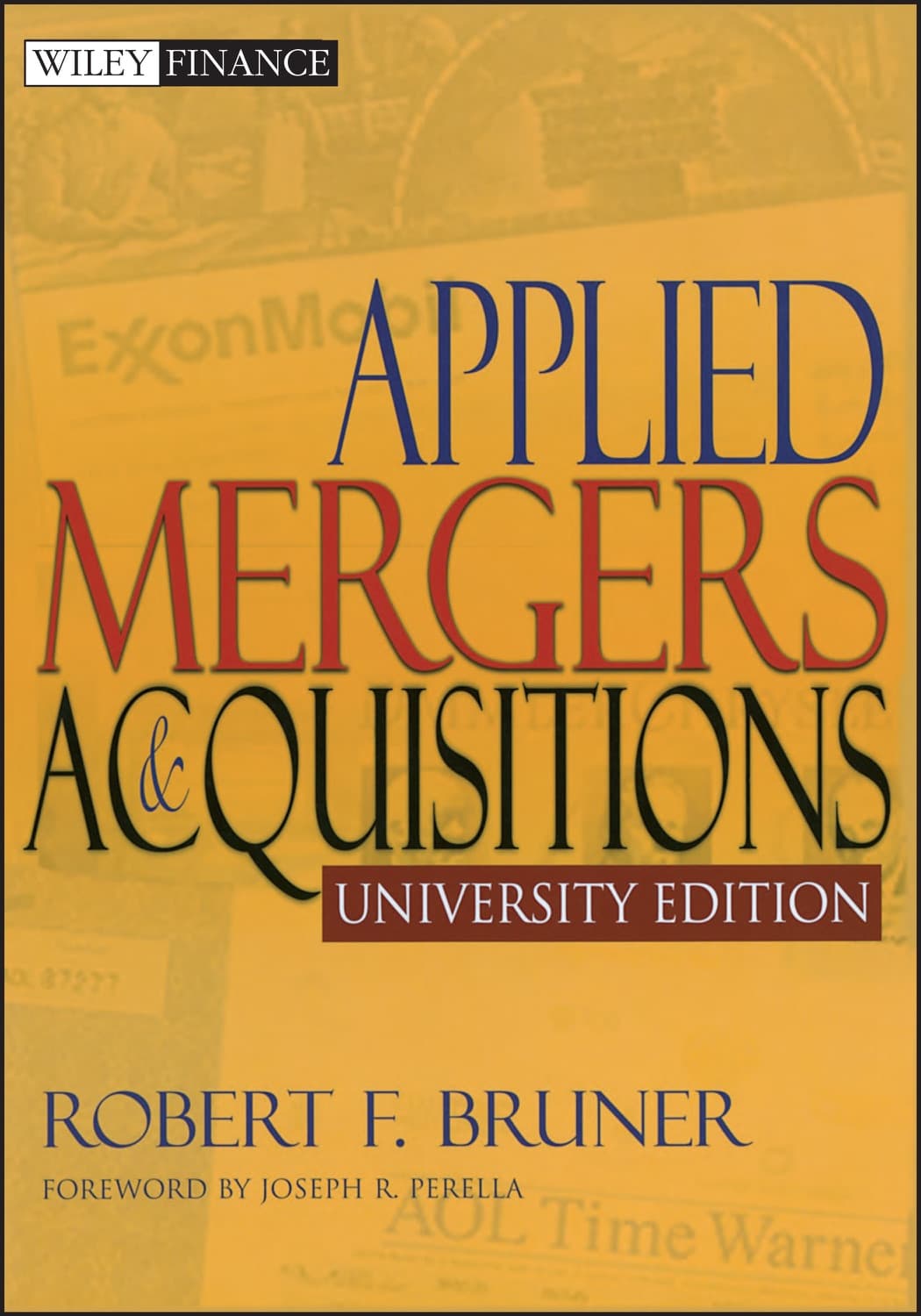
Applied Mergers and Acquisitions
Robert F. Bruner, Joseph R. Perella
Bruner and Perella force you to build an acquisition case the way investment committees review it: clearly, quantitatively, and with explicit assumptions.
Model the deal assumptions, not the story.
This is rigorous and practice-forward, emphasizing how to frame deals, model value, and connect strategy to financial outcomes. It fits best when you want more than concepts and need a disciplined M&A decision lens.
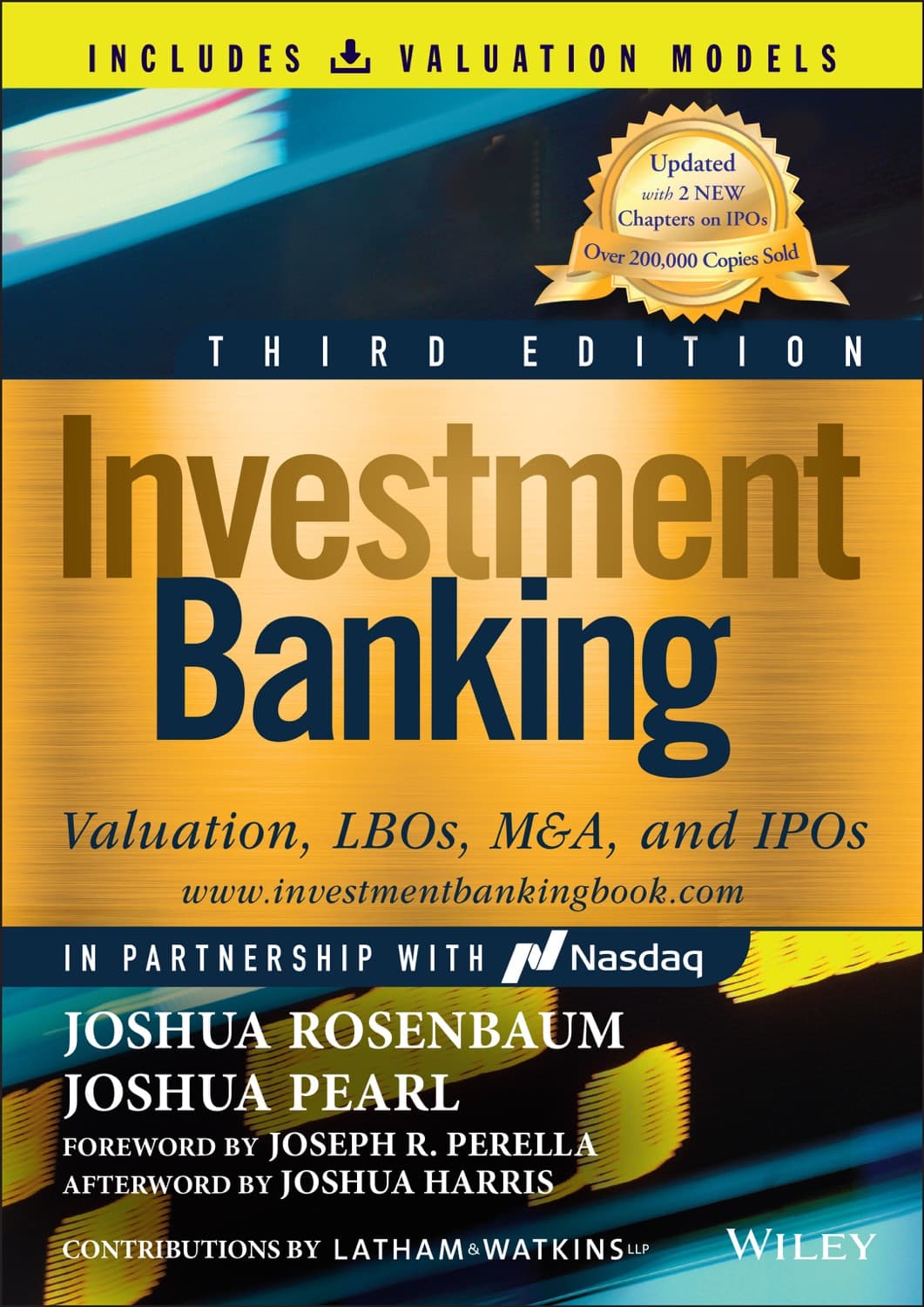
Investment Banking
Joshua Rosenbaum, Joshua Pearl
Rosenbaum and Pearl translate M&A into the language of models, comps, and transactions so the deal mechanics stop feeling like a black box.
Valuation output depends on the build inputs.
If your M&A goal includes understanding how bankers structure valuation and work through deal economics, this gives you the practical toolkit behind many M&A processes. It matters because many M&A books describe decisions, while this one shows how they are executed.
Mergers & Acquisitions from A to Z
Andrew J. Sherman
Sherman gives you an end-to-end M&A vocabulary and workflow, so you can track where deals succeed or fail without getting lost in jargon.
Every deal stage has its own risk questions.
This overview is especially helpful when you need the full lifecycle in one place, from basics to the working logic of deal stages. For M&A research, it reduces friction: you know what to look for when moving from theory to execution.
Mastering the Merger
David Harding, Sam Rovit
Mastering the Merger reframes post-merger integration as a disciplined value-capture process rather than a vague “synergy happens” hope.
Integration execution determines realized synergy.
It focuses on execution details that determine whether an acquisition thesis turns into realized value. That focus matters for M&A study because most books emphasize announcement day; this one keeps attention on what must be managed after closing.
The Synergy Solution
Mark Sirower, Jeff Weirens
The Synergy Solution challenges the easy arithmetic of synergies by showing how acquisition value hinges on credible, testable synergy assumptions.
Synergies must be specific, not aspirational.
This book targets the common failure mode of M&A: treating synergy as a forecast you can assert rather than a business case you must validate. For M&A readers, it strengthens your ability to evaluate whether a deal’s numbers survive real-world constraints.
Model the deal assumptions, not the story.
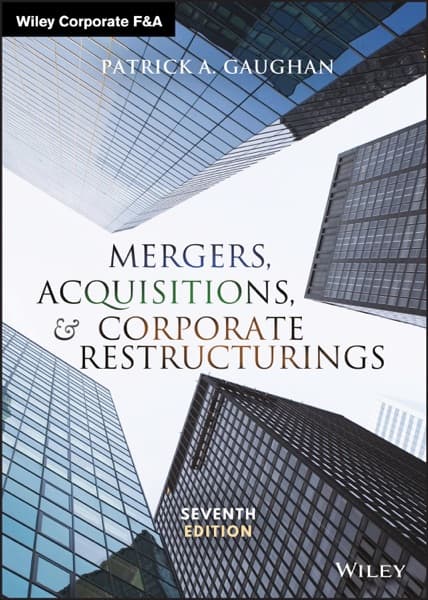
Mergers, Acquisitions, and Corporate Restructurings
Patrick A. Gaughan
Gaughan covers M&A as strategy plus law plus valuation, so you learn to think about deals as decisions with constraints, not just opportunities.
Valuation without constraints leads to surprises.
This survey-style canonical text brings together the major lenses that shape outcomes: strategic rationale, valuation approaches, and legal or restructuring considerations. It matters for M&A study because it reduces blind spots when you later specialize in one area.
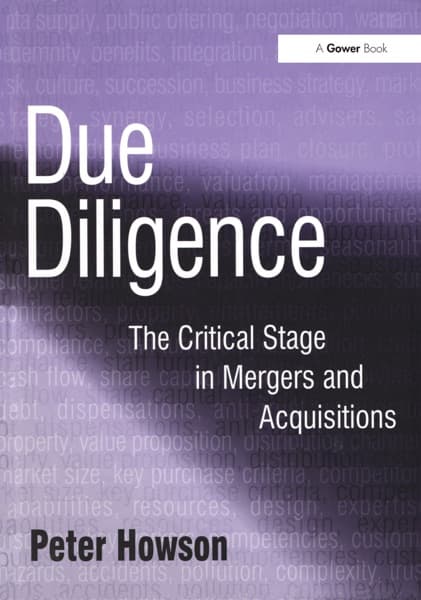
Due Diligence
Peter Howson
Due Diligence helps you treat the investigation as decision-making: every finding should change what you price, how you negotiate, or whether you walk away.
Diligence conclusions should drive pricing and terms.
It stays readable while still covering the practical flow of deals and what due diligence is meant to uncover. For M&A learning, this gives you a concrete way to connect diligence to valuation, negotiation, and deal risk.
Can we tailor this list for you?
Type your question in the bar below and the AI will tailor a fresh set of picks just for you.