Best Books on Leading Finance Teams
Leading finance teams gets easier when finance decisions become shared language. Books like Financial intelligence for entrepreneurs and The Cfo Guidebook turn “finance” into actionable leadership practices.
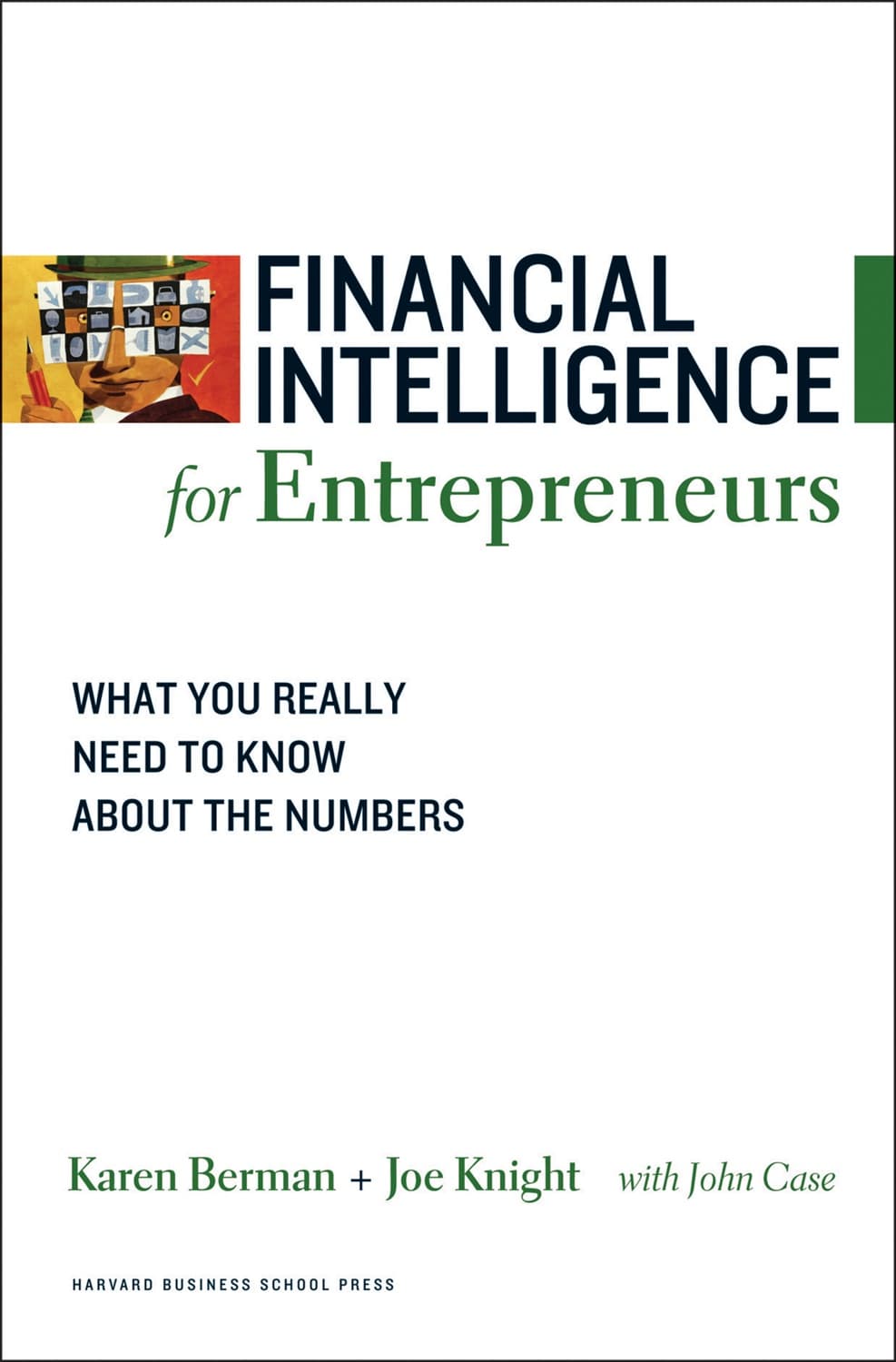
Financial intelligence for entrepreneurs
Karen Berman, Joe Knight
After reading Berman and Knight, finance leadership starts with seeing cash, margins, and risk as signals your team can act on, not reports to review.
Cash flow is a leadership question, not an accounting output.
The book builds finance literacy that supports day-to-day leadership decisions, especially when you need alignment across roles. It helps you translate financial metrics into team actions and trade-offs, which is the foundation for managing performance and priorities.
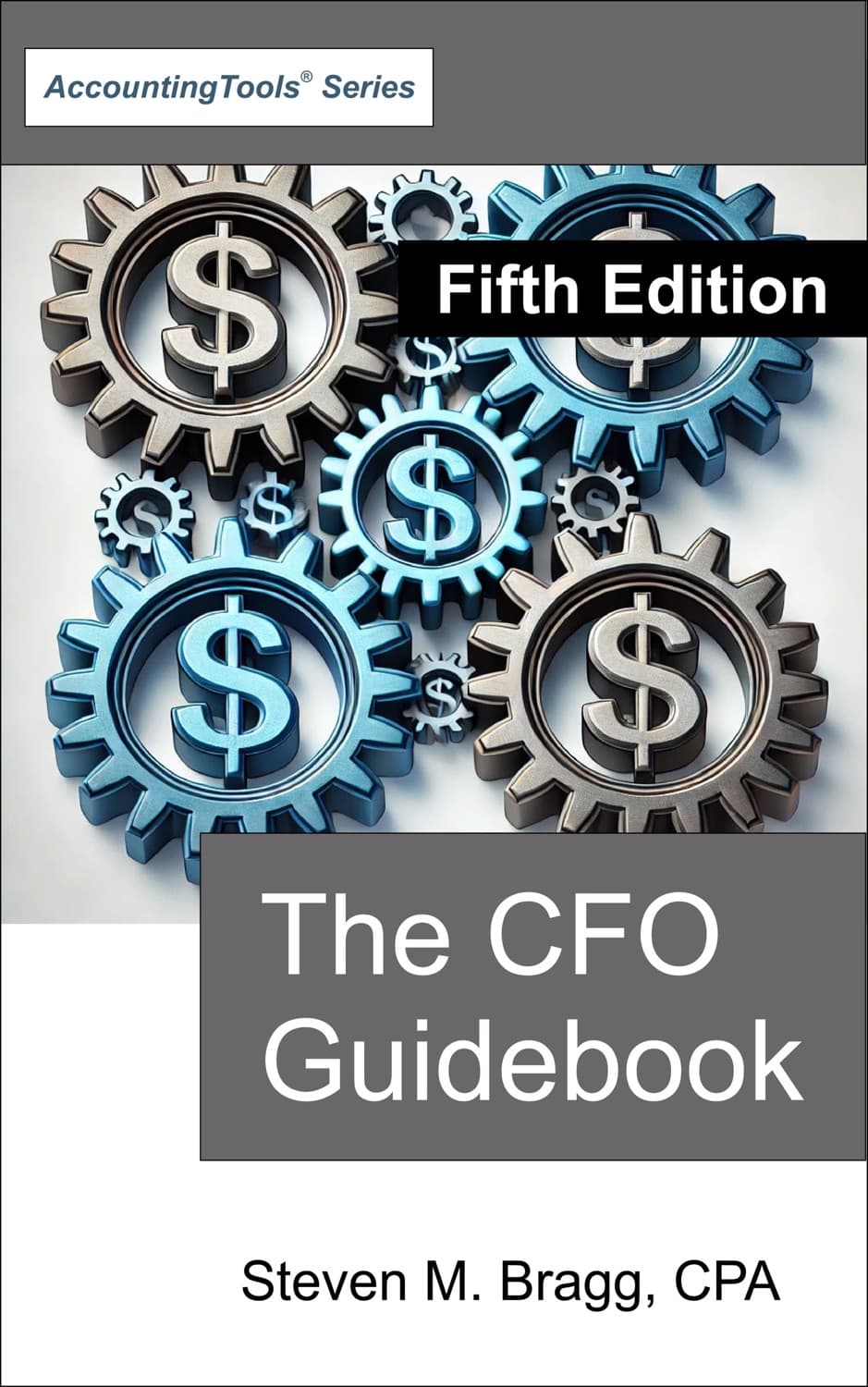
The Cfo Guidebook
Steven M. Bragg
Bragg’s CFO Guidebook replaces vague “finance leadership” talk with a run-the-function mindset: staffing, process, and control choices show up in daily decisions.
Define finance as a set of repeatable processes.
It is written as an operating handbook for running finance functions, including the people and process layer. That makes it directly useful for leading finance teams, turning your leadership goals into concrete workflows, responsibilities, and standards.
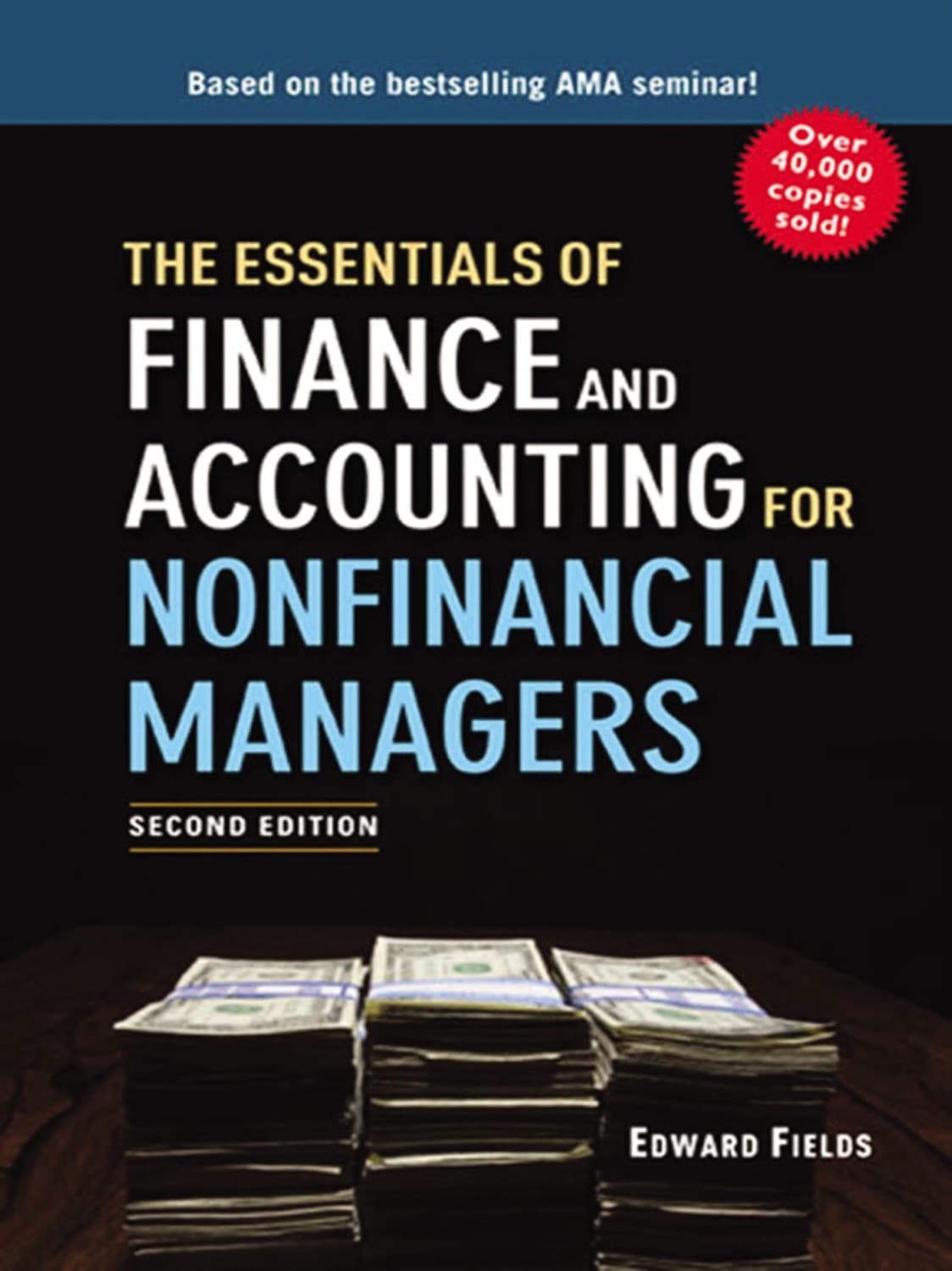
The Essentials of Finance and Accounting for Nonfinancial Managers
Edward Fields
Fields helps you stop treating finance as a separate world so your team can make faster, cleaner decisions together.
Translate numbers into decisions your team can own.
The strength here is shared fluency: it’s built for leaders coaching across varied accounting comfort levels. That matters when you’re leading finance teams that must influence operations, sales, or product with clarity and confidence.
Finance for Nonfinancial Managers, Second Edition (Briefcase Books Series)
Gene Siciliano
Siciliano’s approach turns finance conversations from “explaining statements” into coaching choices teams can execute.
Shared definitions prevent shared blind spots.
This book focuses on building a common financial language, which reduces friction when finance staff have to collaborate across functions. For leading finance teams, it supports clearer communication, better questioning, and more consistent interpretation of performance.
Principles of corporate finance
Richard A. Brealey, Richard Brealey, David Brealey, Richard Brealey, Brealey Richard, Richard A Brealey, Stewart C Myers, Franklin Allen, BREALEY, Pitabas Mohanty, Richard Brealey and Stewart Myers and Franklin Allen
Corporate finance becomes a leadership tool: you learn to judge trade-offs and set standards so your team’s decisions are defensible, not just persuasive.
Risk and return are linked through required return.
As a canonical foundation, it strengthens the judgment layer that good finance leadership depends on. When you’re setting team expectations around valuation, capital structure, and risk, this gives you the conceptual backbone to teach, review, and challenge effectively.
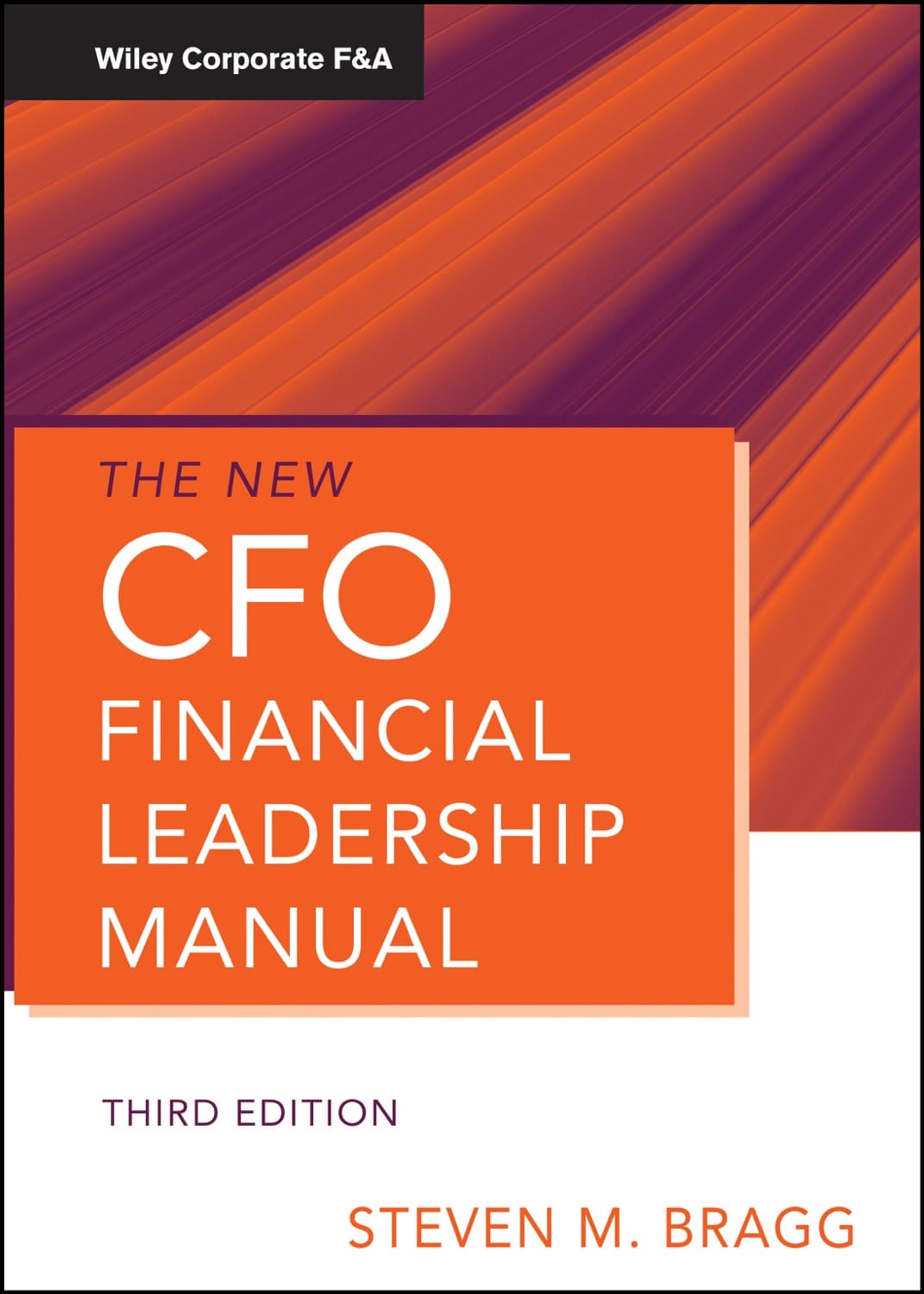
The new CFO financial leadership manual
Steven M. Bragg
Bragg’s manual turns CFO leadership into a repeatable playbook: governance, operations, and team direction connect to measurable finance outcomes.
Leadership means designing the finance operating model.
It is built for finance leadership that manages both the function and the people inside it. That makes it well-suited to leading finance teams when you need to set operating rhythms, clarify responsibilities, and improve how the team delivers.
Define finance as a set of repeatable processes.
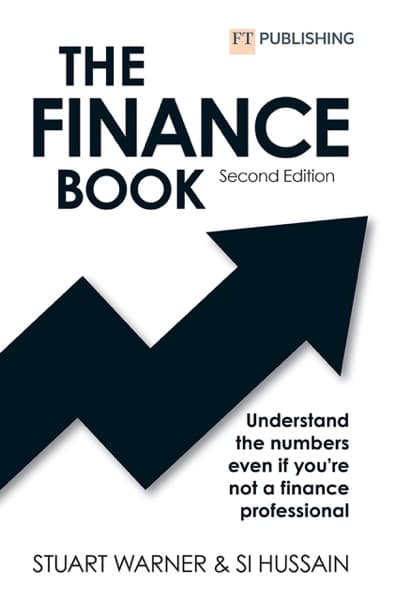
The Finance Book
Stuart Warner, Si Hussain
After The Finance Book, you can hold finance discussions with enough accuracy to guide priorities without deferring every call to specialists.
Finance is analysis of trade-offs, not memorization.
Its accessibility helps leaders build competence that supports coaching and oversight across a team. For leading finance teams, the benefit is clarity: you can ask better questions, interpret results consistently, and reduce misalignment during planning and reviews.
Can we tailor this list for you?
Type your question in the bar below and the AI will tailor a fresh set of picks just for you.