Best Books on Corporate Finance
Corporate finance classics like Brealey, Myers and Allen, Ross Jaffe Westerfield Jordan, Damodaran, and Tirole teach the same core decisions through different lenses: valuation, capital structure, and risk. Pick the lens that matches your work.
Principles of corporate finance
Richard A. Brealey, Richard Brealey, David Brealey, Richard Brealey, Brealey Richard, Richard A Brealey, Stewart C Myers, Franklin Allen, BREALEY, Pitabas Mohanty, Richard Brealey and Stewart Myers and Franklin Allen
After finishing Brealey, Myers, and Allen, valuation and financing choices stop feeling like separate topics and start behaving like one risk-adjusted system.
NPV and WACC are linked by risk and capital structure.
It’s a canonical synthesis of valuation, capital structure, and corporate risk that repeatedly ties concepts back to the same decision logic. That makes it ideal for corporate finance fundamentals when you want clean, defensible reasoning rather than formulas alone.
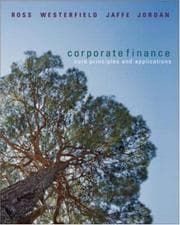
Corporate Finance
Jeffrey Jaffe, Prof Stephen A. Ross, Randolph W. Westerfield, Bradford D. Jordan, Professor
Ross Westerfield Jordan turns corporate finance from textbook abstraction into a set of tools you can apply to real financing and investment trade-offs.
Cost of capital is a risk mapping, not a fixed rate.
This text balances theory with the core methods employers expect: valuing cash flows, thinking about cost of capital, and analyzing financing decisions. For corporate finance study, it gives a consistent toolkit you can reuse across courses and interviews.
Applied Corporate Finance
Aswath Damodaran
Damodaran shifts your perspective from memorizing valuation models to building valuations that match the firm in front of you.
Small changes in assumptions drive big valuation differences.
It bridges finance theory with the messy choices behind real-world valuation: forecasting assumptions, adjusting for risk, and sanity-checking outputs. That helps most when corporate finance feels too conceptual and you want decision-grade valuation thinking.
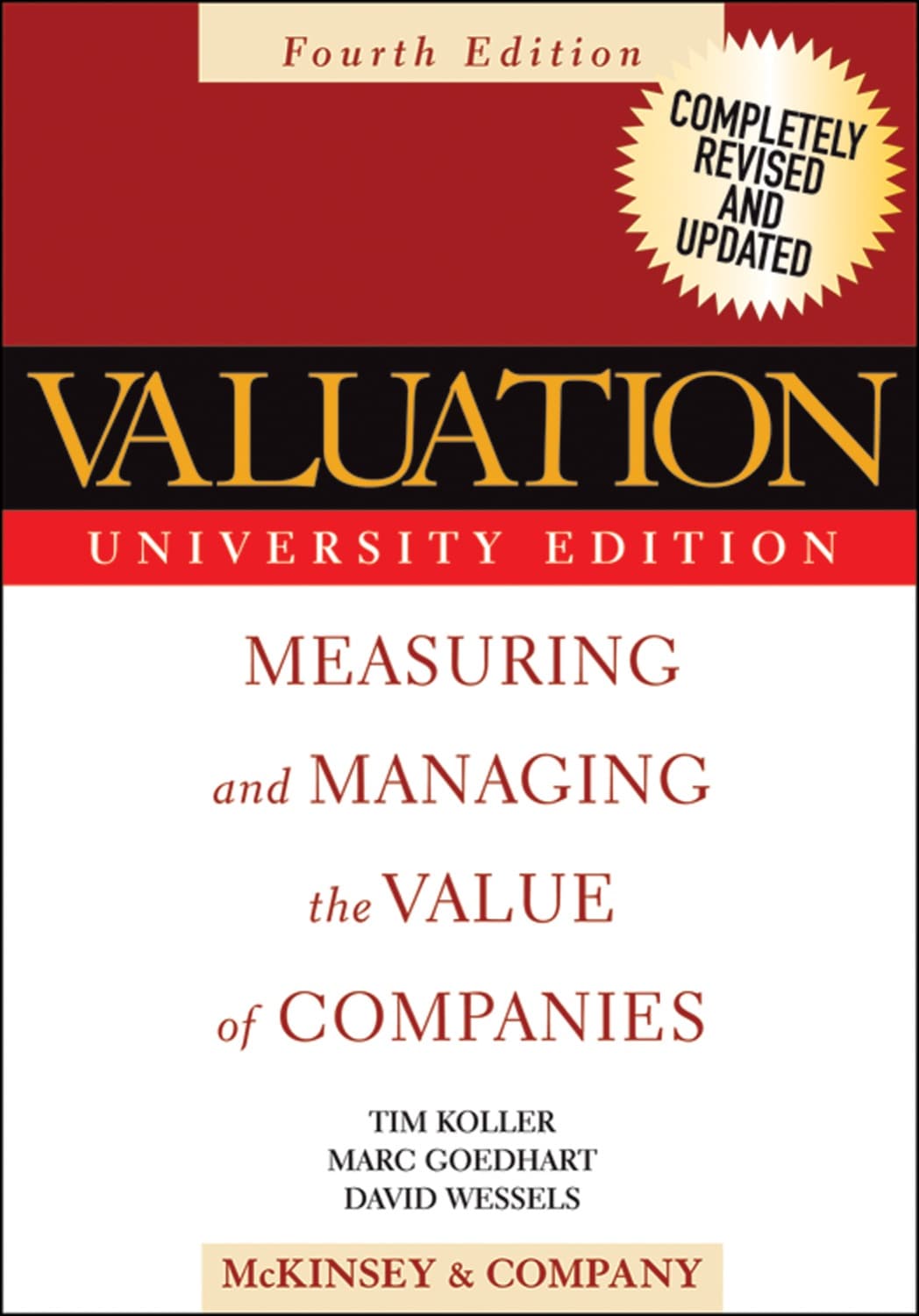
Valuation
McKinsey & Company Inc., Tim Koller, Marc Goedhart, David Wessels
By the end of Valuation, you start treating valuation as a management process: drivers, scenarios, and expectations rather than a single magic multiple.
Discounted cash flow and multiples must reconcile through drivers.
McKinsey’s practitioner framing makes valuation usable for corporate finance decisions, especially when you need to translate strategy into cash-flow and value drivers. It’s a strong companion when you want credibility beyond classroom examples.
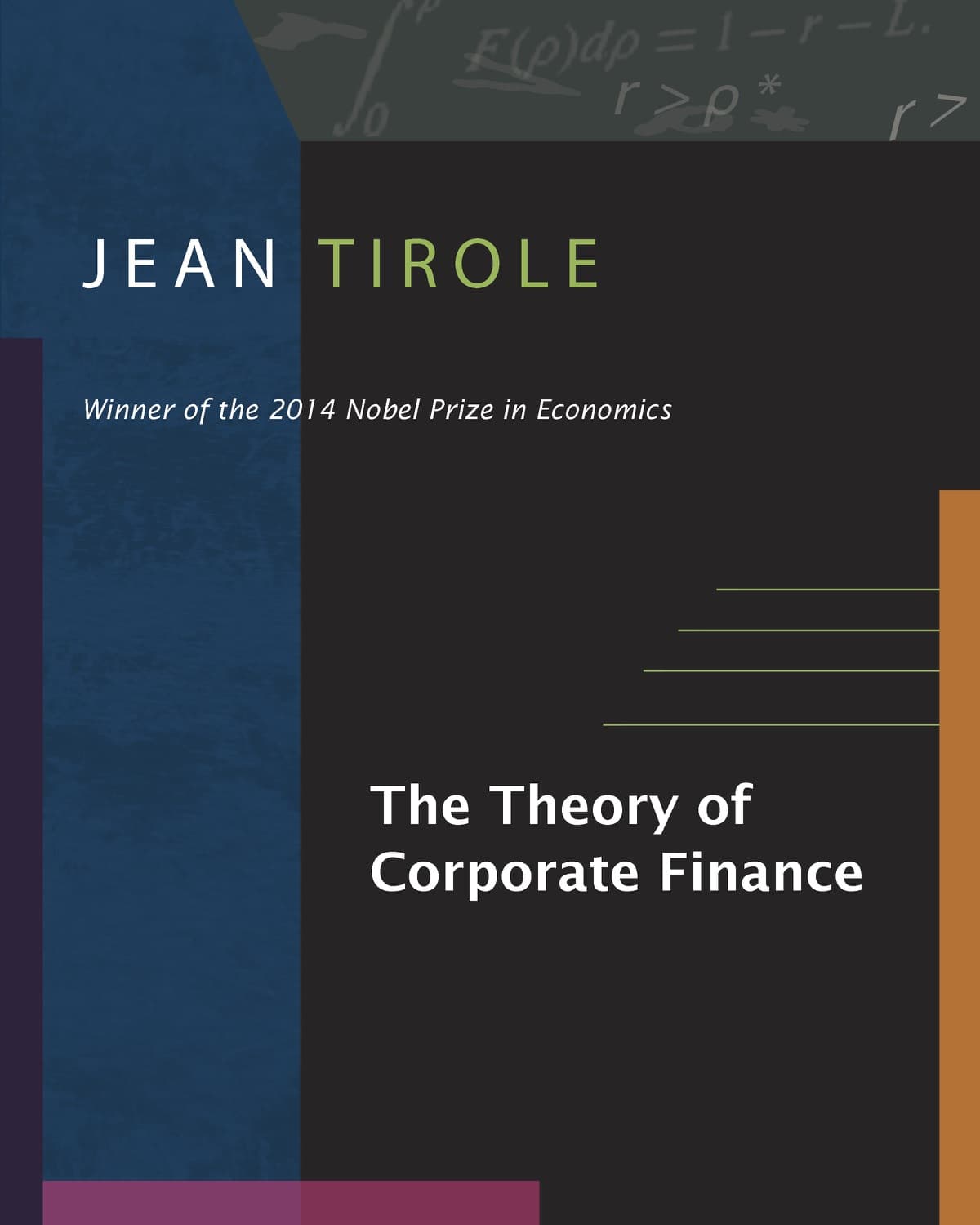
The Theory of Corporate Finance
Jean Tirole
Tirole makes corporate finance feel like a single intellectual discipline: incentives, information, and agency risk explain why financing works the way it does.
Incentives and information constraints shape financing outcomes.
It’s advanced and rigorous, focusing on the theory behind corporate finance outcomes rather than just how to compute numbers. If your goal is to understand the why behind valuation and capital structure, this reframes corporate finance at a deeper level.
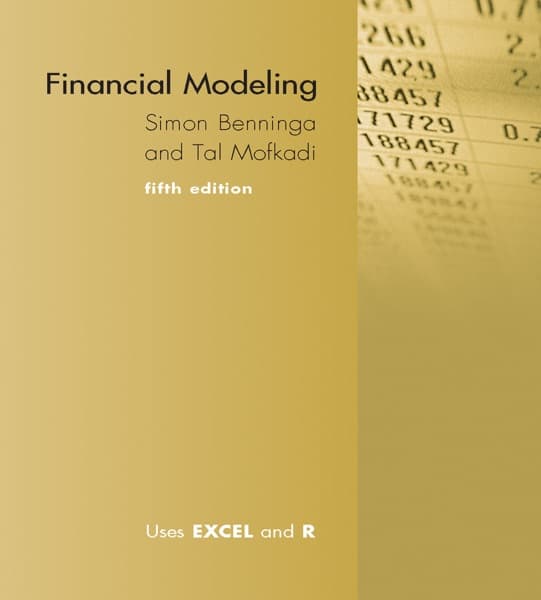
Financial Modeling, fourth edition
Simon Benninga
Benninga teaches you to treat a spreadsheet model like an argument: transparent assumptions, defensible logic, and consistent checks.
Use scenario analysis to test model assumptions.
For corporate finance, modeling is where ideas become decisions. This book helps you implement core corporate finance concepts in spreadsheets without the usual brittleness, so your outputs stay interpretable and audit-friendly.
Cost of capital is a risk mapping, not a fixed rate.
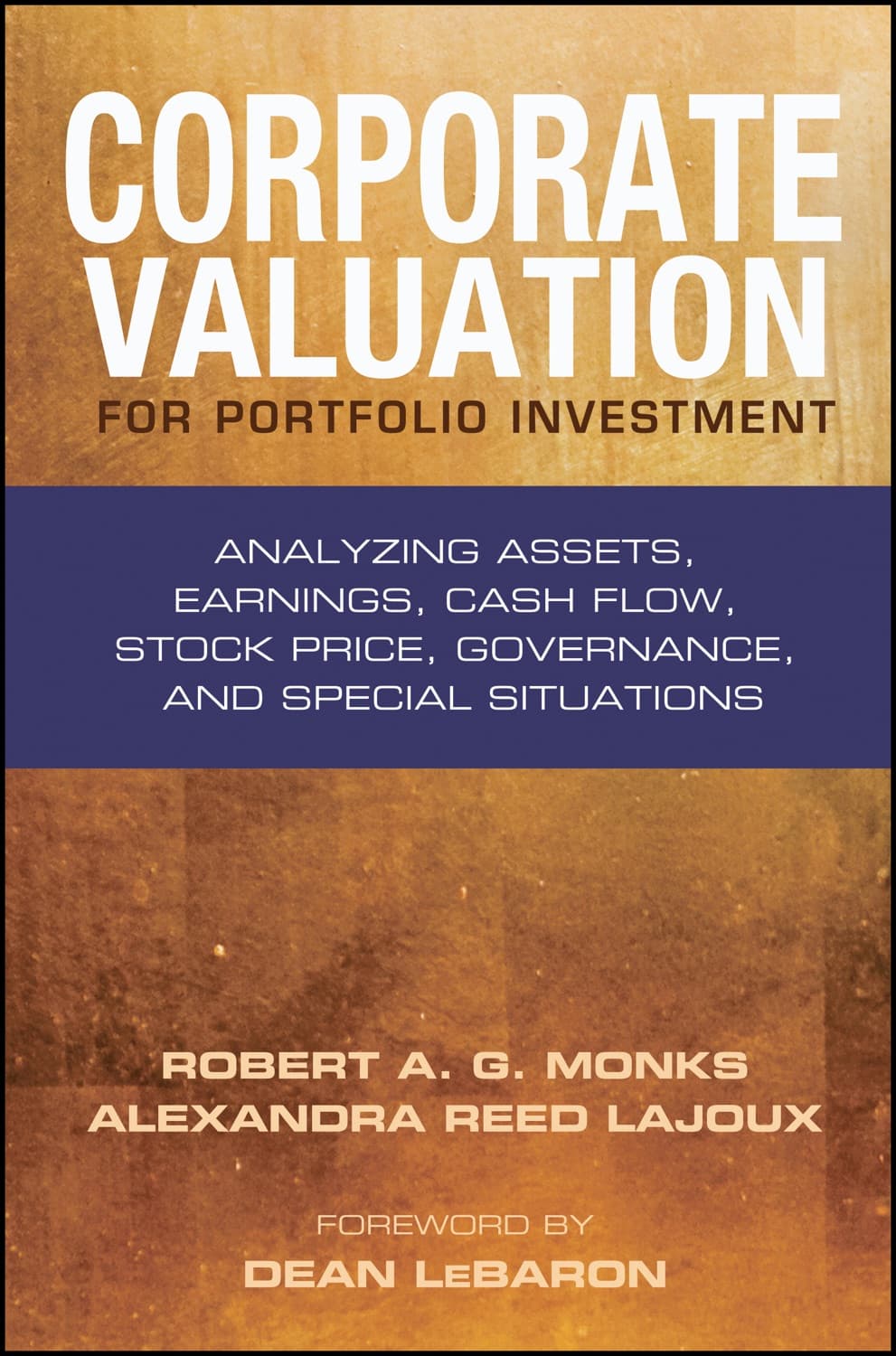
Corporate Valuation for Portfolio Investment
Robert A. G. Monks, Alexandra Reed Lajoux
Monks and Lajoux bring a portfolio-investor mindset to valuation, turning corporate finance into an investable thesis you can stress-test.
Valuation should reflect what investors can verify and control.
This perspective matters when corporate finance is about assessing investable value rather than only corporate decision-making. It complements standard valuation texts by keeping the emphasis on what drives value under an ownership lens.
Can we tailor this list for you?
Type your question in the bar below and the AI will tailor a fresh set of picks just for you.