Best Books on Body Language & Stage Presence
Body language and stage presence come into focus with Joe Navarro’s What every BODY is saying and Scott Berkun’s Confessions of a Public Speaker: one tunes your read of intent, the other sharpens your onstage connection.
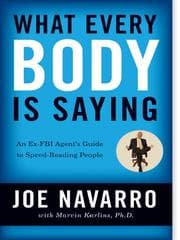
What every BODY is saying
Joe Navarro, Joe Navarro, Marvin Karlins, Joe Navarro with Marvin Karlins, Marvin Karlins Joe Navarro, Navarro, Joe, Karlins, Marvin
By the end, you stop guessing and start detecting: micro-cues in posture, gaze, and gestures that signal comfort, deception, and intent.
Context first: one cue means different things together.
Navarro treats nonverbal behavior like evidence, not vibes, with clear ways to interpret signals in context. That matters for stage presence because it helps you read the room while you perform, and adjust without overthinking.
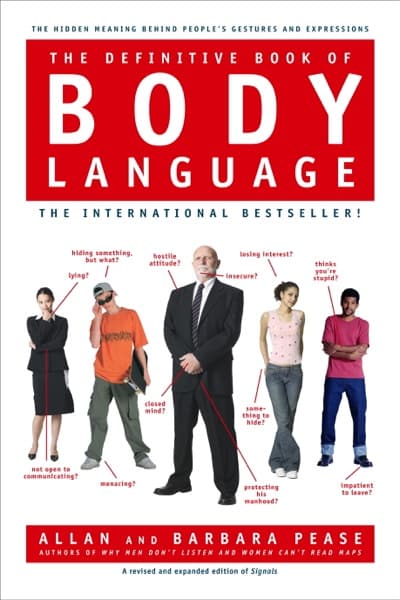
The Definitive Book of Body Language
Allan Pease, Barbara Pease
You begin to spot how movement, spacing, and touch habits quietly shape social authority and trust.
Power shows up in posture and orientation.
The Peases map everyday physical behavior into understandable categories and interaction patterns. For performance, it gives you a practical lens for how others may be perceiving you, so you can refine presence with intention rather than imitation.
Presence
Amy Cuddy
You learn how posture and mindset work together so “confidence” becomes an action you can choose, even under nerves.
Behavior can change your feelings: power poses.
Presence reframes body language as something you can cultivate, not just something you decode. For stage presence, that shift helps you manage anxiety states and project groundedness through your physical signals.
The charisma myth
Olivia Fox Cabane, Olivia Cabane, Lisa Cordileone
Charisma stops being a mystery and turns into a repeatable set of behaviors you can practice on purpose.
Charisma is a set of trainable behaviors.
Cabane breaks down warmth, power, and connection into actionable levers instead of personality traits you either have or don’t. That directly supports stage presence: you can build audience trust through specific delivery and presence behaviors.
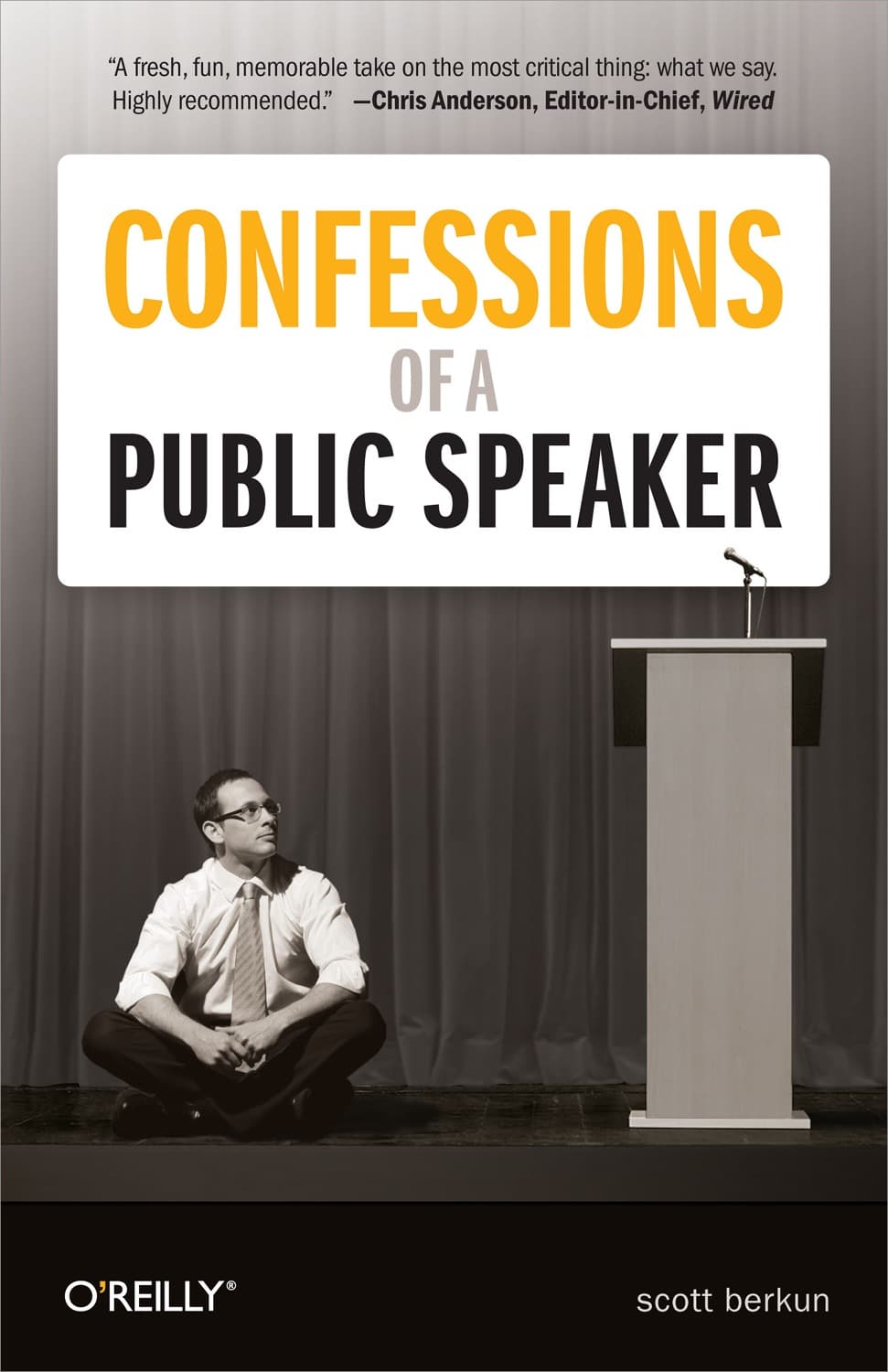
Confessions of a Public Speaker
Scott Berkun
You finish with a sharper internal checklist for turning nerves into audience focus, not self-consciousness.
Serve the audience: design for their attention.
Berkun treats speaking as craft: how to shape attention, handle material, and respond to the room. That matters for stage presence because it emphasizes audience connection and clarity, not performance theatrics.
Talk Like TED
Carmine Gallo
Your talks start to feel more human because your delivery leans into story, emotion, and memorable structure.
Emotion plus story beats feature lists.
Gallo focuses on how presentation techniques influence perception and engagement, tying presence to what the audience experiences. If stage presence is your goal, it helps translate charisma and body language into messages people actually remember.
Power shows up in posture and orientation.
Steal the Show
Michael Port
You stop treating stage fright as an enemy and start using performance skills that make connection feel natural.
Treat speaking like performance training, not talent.
Port emphasizes practical performance preparation and onstage confidence habits that transfer to any speaking context. For stage presence, it supports the whole package: body, attention, and audience rapport working together.
Can we tailor this list for you?
Type your question in the bar below and the AI will tailor a fresh set of picks just for you.