Best Books on Stalin
Stalin biographies that actually change your lens: Stephen Kotkin’s Stalin treats power as a system, while Robert Conquest and Robert Service confront the human record and policy costs.
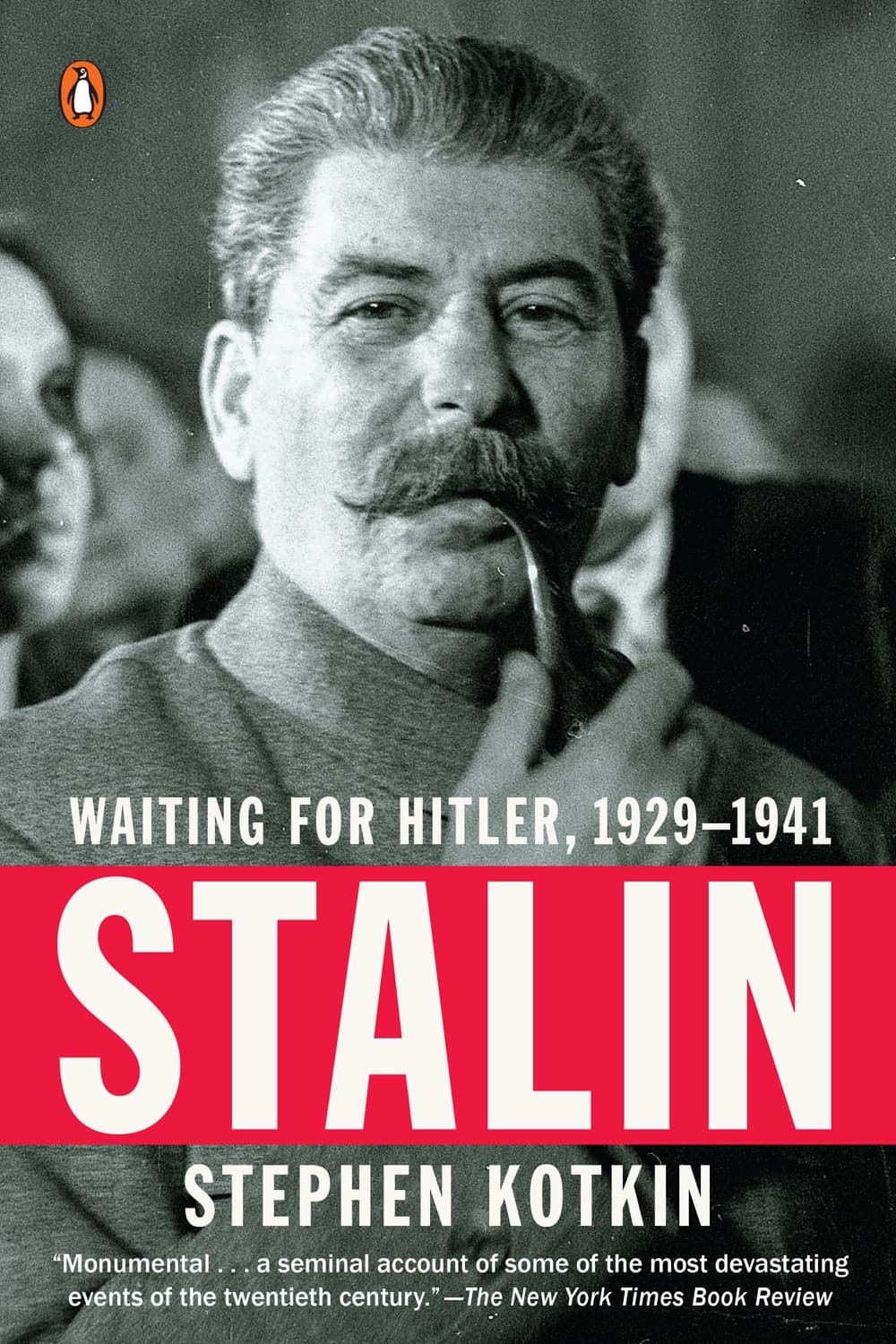
Stalin
Stephen Kotkin
Kotkin’s Stalin makes the Party apparatus itself feel like the protagonist, with every move traced to institutions, people, and paper trails.
Power works through institutions, not moods.
This first-volume biography builds a rigorously evidenced account of how Stalin rose and consolidated power, rather than relying on a personality myth. For learning about Stalin, it gives you the system-level causation that later events depend on.
Stalin
Robert Service
Robert Service compresses Stalin’s whole arc into one narrative while still leaning on scholarship and documents.
A leader’s biography maps to policy choices.
Service is a readable on-ramp that keeps the stakes clear: ideology, purges, policy, and the shifting center of gravity around the leader. If you want a dependable single-volume spine for Stalin’s life, this one holds together.
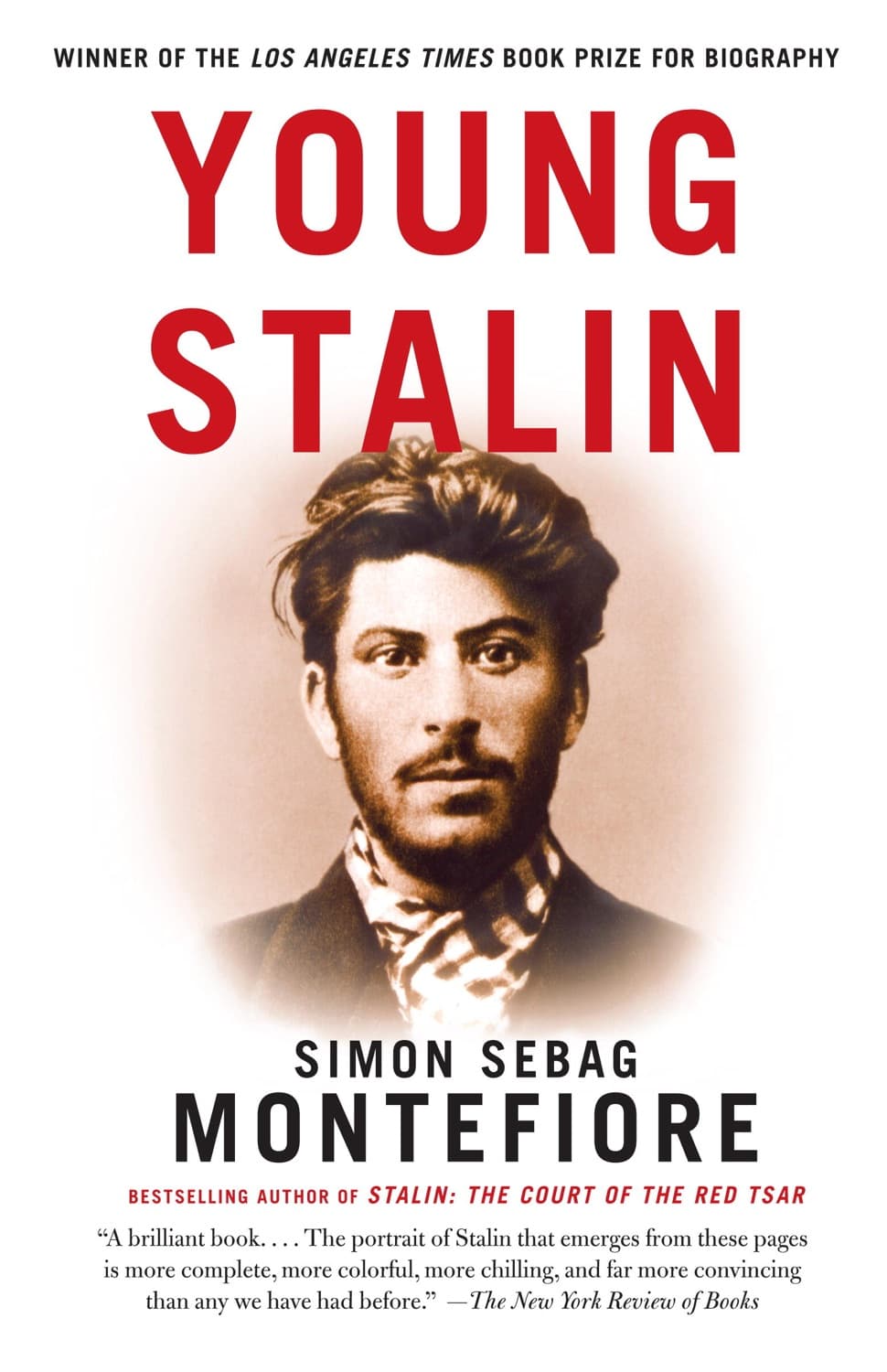
Young Stalin
Simon Sebag Montefiore
Young Stalin reframes the early years as training, not destiny, showing how ambition learned to weaponize networks.
Early networks become governing tactics.
Montefiore’s focus on Stalin’s formative period makes it easier to see patterns that later governance relies on: relationships, ruthlessness, and the ability to read risk. If you feel lost in later brutality, this clarifies the early construction of the man and the method.
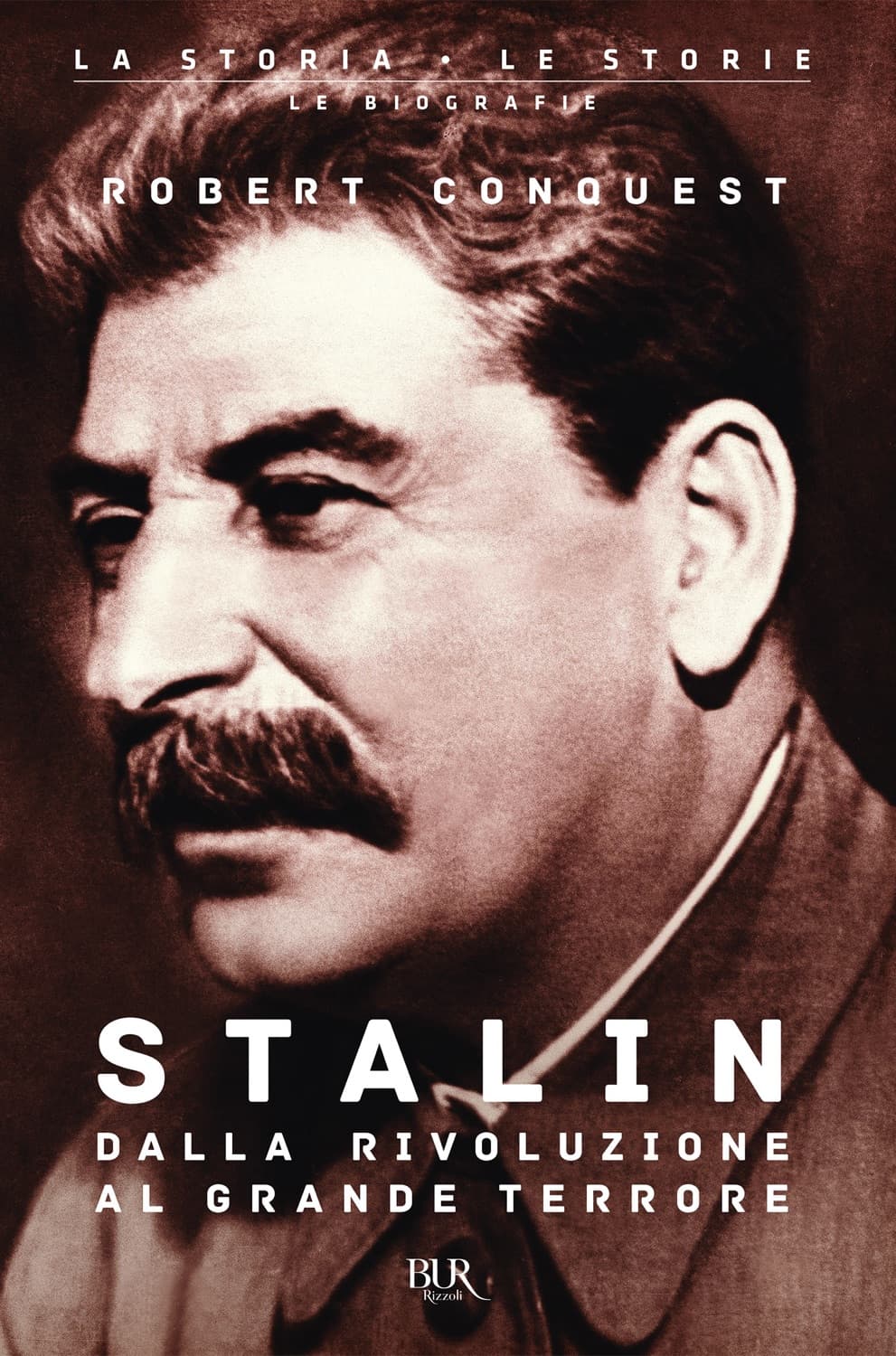
Stalin
Robert Conquest
Conquest’s Stalin helped define the enduring English-language understanding of Stalin’s terror and its scale.
Terror is a governing instrument.
This is influential, sharply argued, and attentive to what the system did to societies, not just what Stalin intended. For Stalin reading, it is especially useful when you want a hard-edged account shaped by the evidence and debates that followed.
Stalin and Stalinism
Martin McCauley
Martin McCauley’s Stalin and Stalinism gives you a tight map of Stalinism as a structured project, not merely a biography.
Stalinism has a system-logic of its own.
Its synthesis approach helps ground the later details you encounter in longer biographies. For understanding Stalin, it prevents personality-only explanations by giving you the institutional logic and political mechanics behind the years.
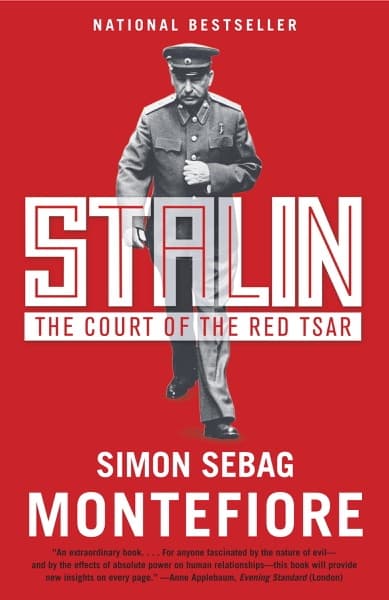
Stalin
Simon Sebag Montefiore
Montefiore’s Stalin keeps returning to the inner circle as the engine of decisions, meetings, and intimidation.
The inner circle controls the pipeline.
By dwelling on Stalin’s close network, it reveals how power ran through access, secrecy, and patronage, not just decrees. For reading about Stalin, it adds texture to the machinery of rule and makes the costs of proximity visible.
A leader’s biography maps to policy choices.
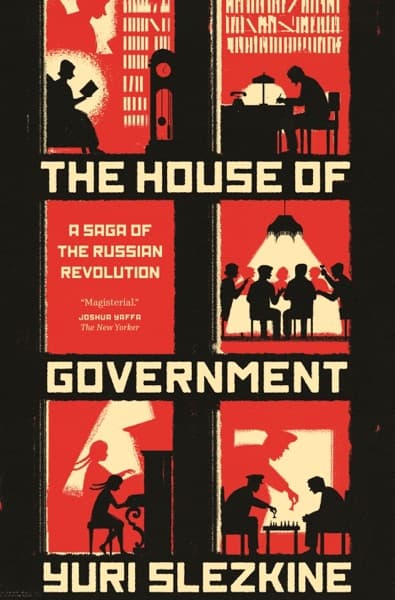
The House of Government
Yuri Slezkine
The House of Government makes Soviet power legible through the lives orbiting the Kremlin, where elite proximity becomes political fate.
Elite life inside power becomes a safety trap.
Slezkine’s approach uses elite households and careers to illuminate how Stalinism worked from the inside, including the anxieties of privilege. For understanding Stalin, it complements biography with social mechanics: how authority spreads, disciplines, and consumes.
Can we tailor this list for you?
Type your question in the bar below and the AI will tailor a fresh set of picks just for you.