Best Books on Corruption
Kleptocracy, money laundering, and offshore secrecy come into focus through Oliver Bullough's Moneyland, Tom Burgis's Kleptopia, and Nicholas Shaxson's Treasure Islands, alongside reporting on the Panama Papers and the people who fight back.
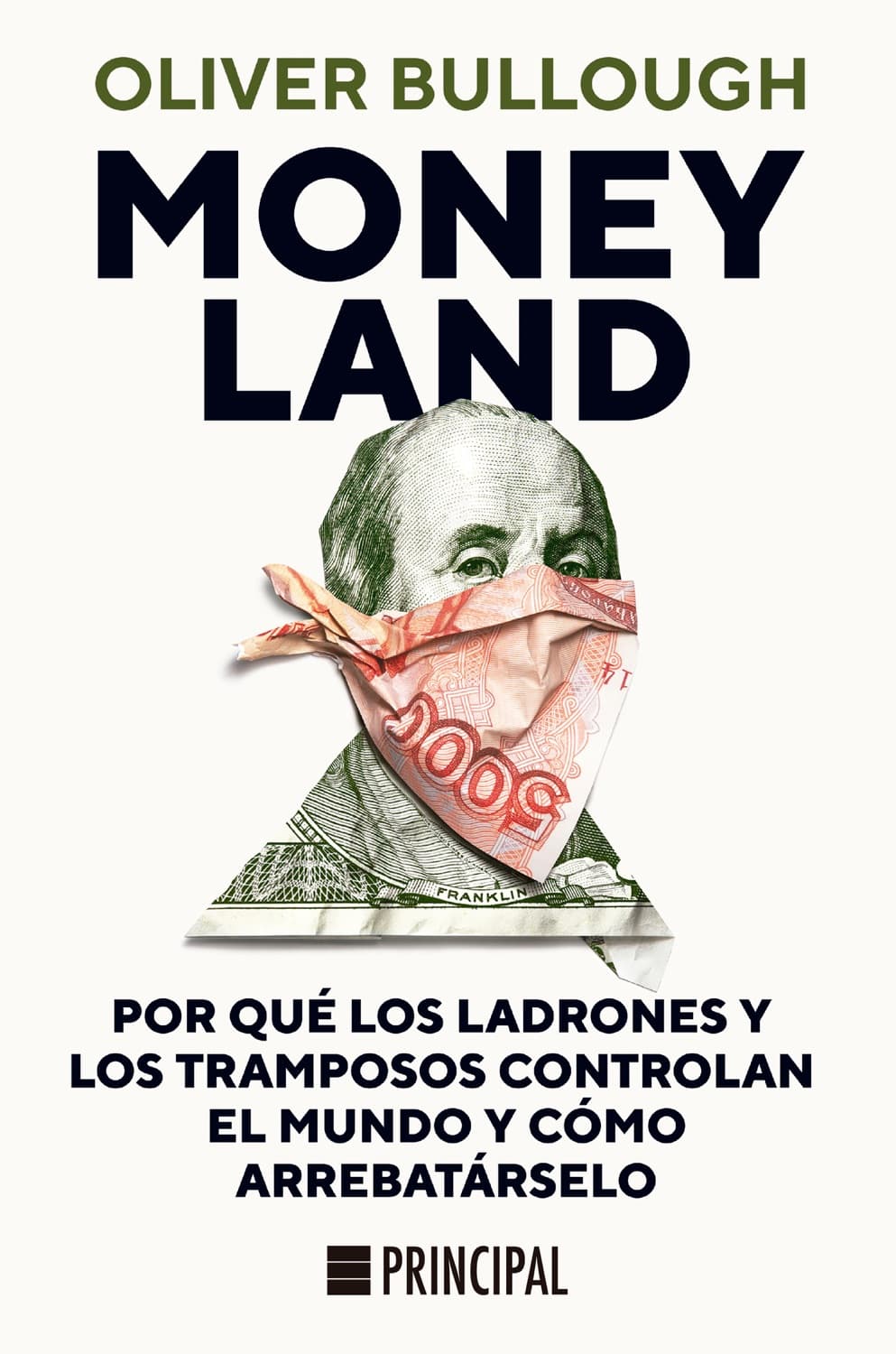
Moneyland
Oliver Bullough
A traveling tour of the hidden country where the world's stolen money goes to live.
Stolen wealth hides in legal structures, not suitcases.
Oliver Bullough names the borderless realm of shell companies, secrecy jurisdictions, and golden visas that lets kleptocrats keep what they take. It is a clear, character-driven introduction for anyone who wants to understand how dirty money actually moves before diving into denser accounts.
Kleptopia
Tom Burgis
A web of bankers, oligarchs, and fixers turning looted billions into respectable assets.
Western enablers make global theft possible.
Tom Burgis traces how money stolen from poor countries is laundered through Western banks, courts, and law firms. It is for readers who want the human and institutional machinery of kleptocracy, told through the people who profit and the few who push back.
Treasure Islands
Nicholas Shaxson
A guided descent into the tax havens that quietly reroute the world's wealth.
The biggest tax haven may be onshore.
Nicholas Shaxson explains how offshore finance works, from Caribbean islands to the City of London, and why secrecy jurisdictions matter as much as any single crook. It suits readers who want the systemic plumbing of tax avoidance and capital flight.
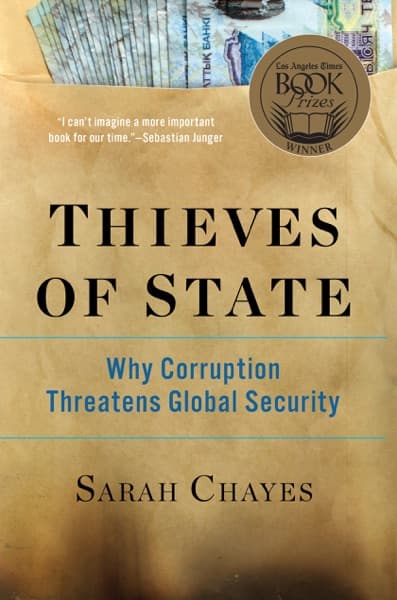
Thieves of State
Sarah Chayes
A former adviser in Afghanistan argues corruption is a security threat, not a side issue.
Corruption can radicalize the people it robs.
Sarah Chayes draws on her years in Kandahar and on historical cases to show how systemic graft fuels extremism and state collapse. It is for readers interested in the political and geopolitical stakes of corruption rather than the financial mechanics alone.
McMafia
Misha Glenny
A survey of organized crime as a globalized industry moving across open borders.
Organized crime tracks the global economy closely.
Misha Glenny reports from the smuggling routes, money flows, and gray markets that link gangsters, governments, and ordinary consumers. It gives readers the criminal-economy backdrop against which political and financial corruption operates worldwide.
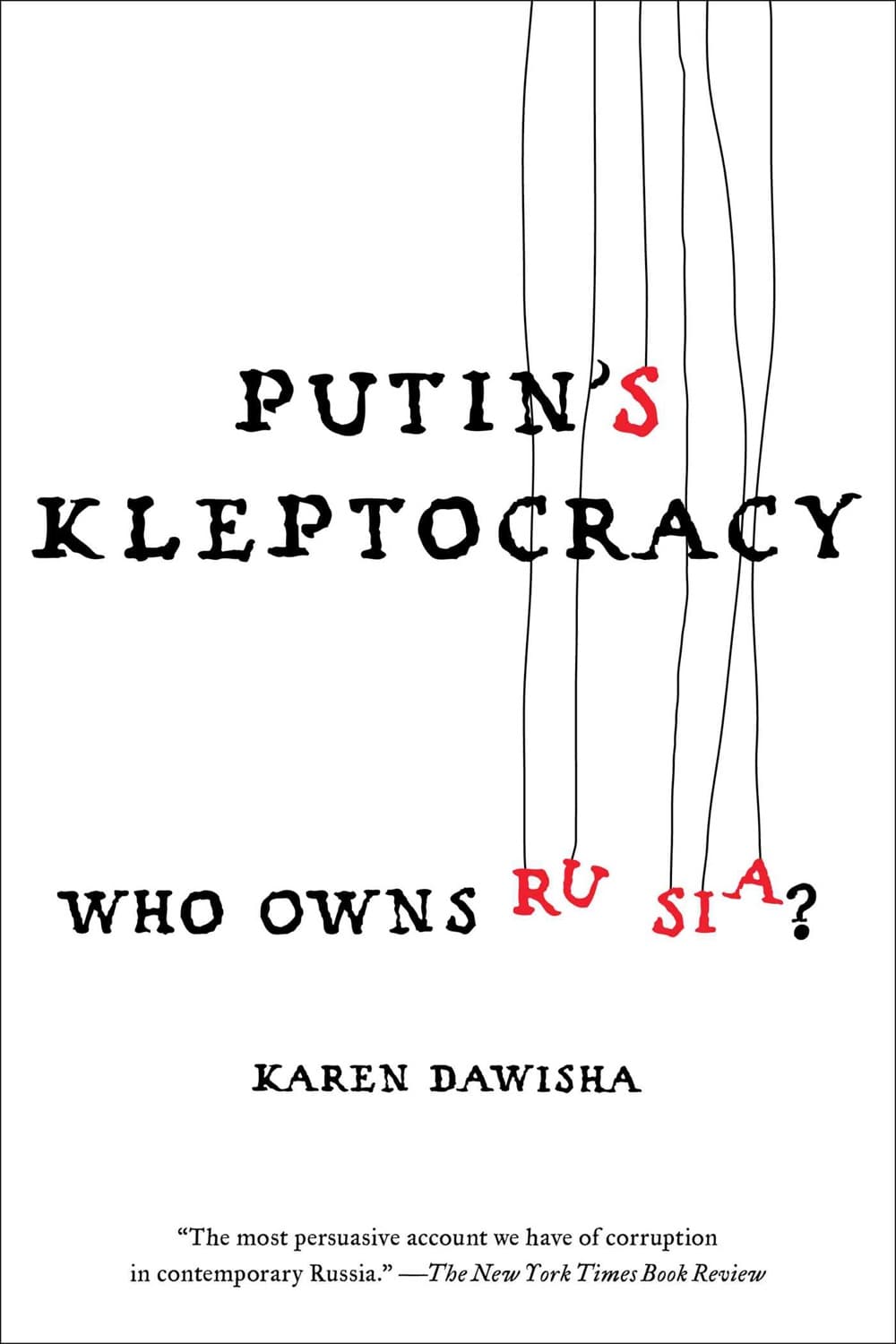
Putin's Kleptocracy
Karen Dawisha
A documented account of how a circle around one leader came to control a nation's wealth.
Kleptocracy can be a system, not an accident.
Karen Dawisha assembles a meticulously sourced case that the Russian state was reorganized to enrich an inner circle. This academic deep cut is for readers who want names, dates, and paper trails behind the word kleptocracy.
Western enablers make global theft possible.
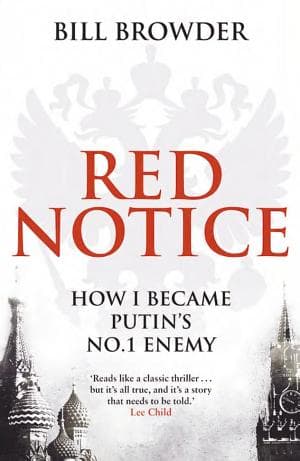
Red Notice
Bill Browder
An investor's fortune in Russia turns into a fight for justice after a death in custody.
One case can drive an entire sanctions law.
Bill Browder recounts his business in post-Soviet Russia, the tax fraud his firm uncovered, and the death of lawyer Sergei Magnitsky that drove him to campaign for sanctions. It is a propulsive case study of how exposing corruption carries real personal cost.
Billion Dollar Whale
Tom Wright, Bradley Hope
A young financier siphons billions from a Malaysian state fund into yachts, art, and film.
A sovereign fund can become a private piggy bank.
Tom Wright and Bradley Hope reconstruct the 1MDB scandal and the lavish spending it financed across Wall Street and Hollywood. It shows readers how looted public money can flow through global banks and luxury markets in plain sight.
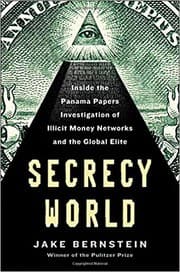
Secrecy World
Jake Bernstein
Inside the leak that pulled back the curtain on offshore shell companies.
A single leak mapped a hidden financial world.
Jake Bernstein, a reporter on the investigation, explains how the Panama Papers exposed the law firm Mossack Fonseca and the secret structures it built for clients worldwide. It is for readers curious about how such hidden networks are actually uncovered.
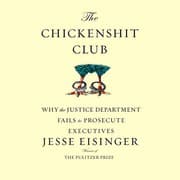
The Chickenshit Club
Jesse Eisinger
An investigation into why so few powerful executives ever face prosecution.
Fear of losing keeps prosecutors from charging.
Jesse Eisinger examines how the US Justice Department drifted toward settlements over individual indictments after the financial crisis. It suits readers focused on the enforcement side, where the question shifts from how corruption happens to why it goes unpunished.
Can we tailor this list for you?
Type your question in the bar below and the AI will tailor a fresh set of picks just for you.