Best Books on Kleptocracy
Kleptocracy emerges in miniature across Tom Burgis’ Kleptopia and Oliver Bullough’s Moneyland: offshore secrecy and elite laundering keep stolen wealth moving. These books turn “corruption” into a system you can actually see.
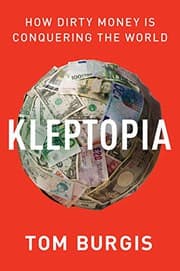
Kleptopia
Tom Burgis
After Kleptopia, “money laundering” stops being a crime and becomes an infrastructure built to move power and impunity across borders.
Learn the ecosystem: intermediaries plus secrecy beat law enforcement.
Burgis traces how elite networks convert political control into bankable wealth, then protect it through intermediaries and secrecy. For kleptocracy research, it connects the financial plumbing to the human incentives that keep extraction durable.
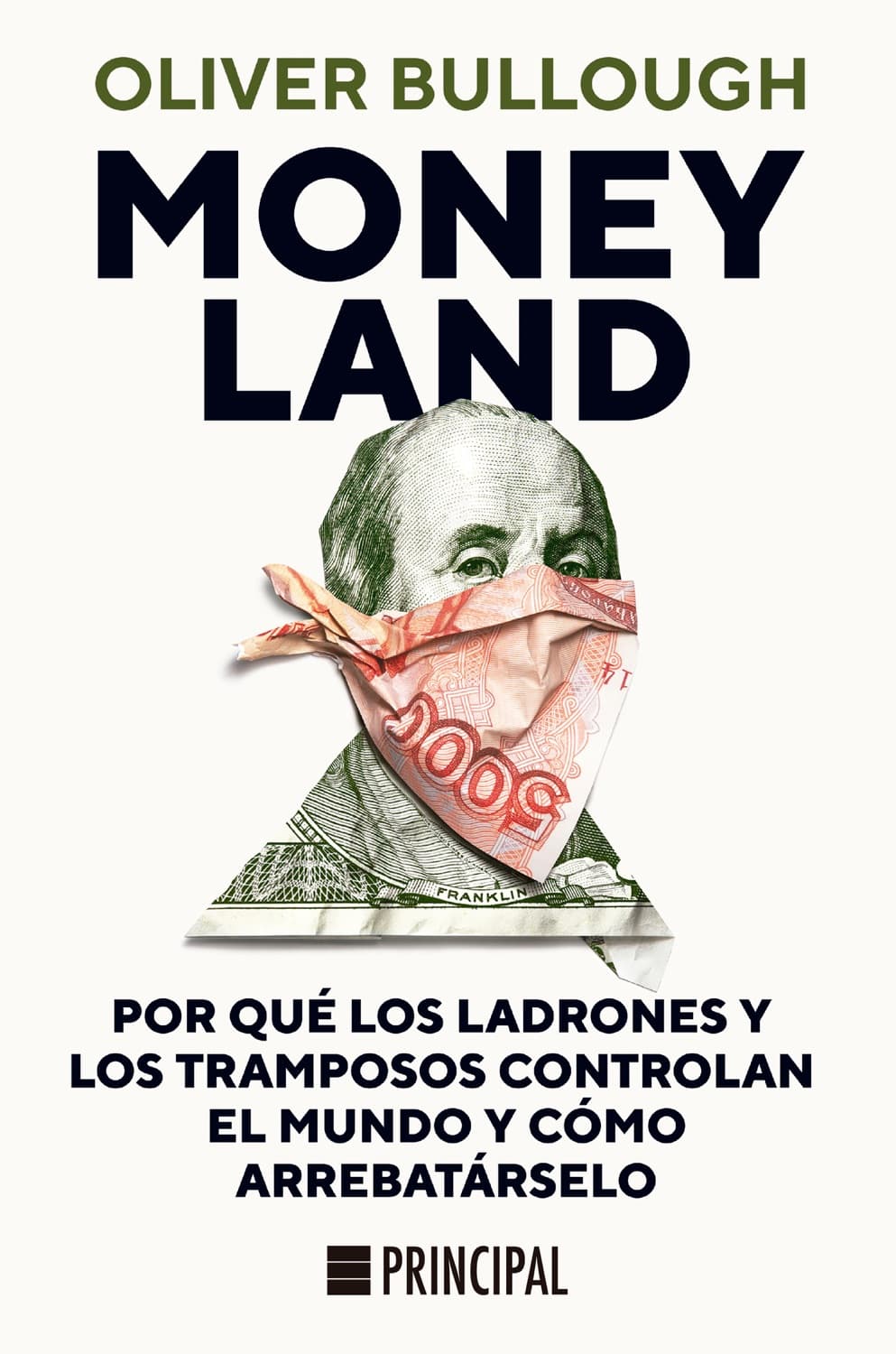
Moneyland
Oliver Bullough
Moneyland makes offshore finance feel like a parallel economy: wealth vanishes into secrecy, then reappears as political leverage.
Offshore secrecy jurisdictions create a durable hiding loop.
Bullough explains, in plain terms, how jurisdictions and institutions let kleptocrats hide assets and evade accountability. If you want kleptocracy beyond slogans, this gives you the map of how concealment works.
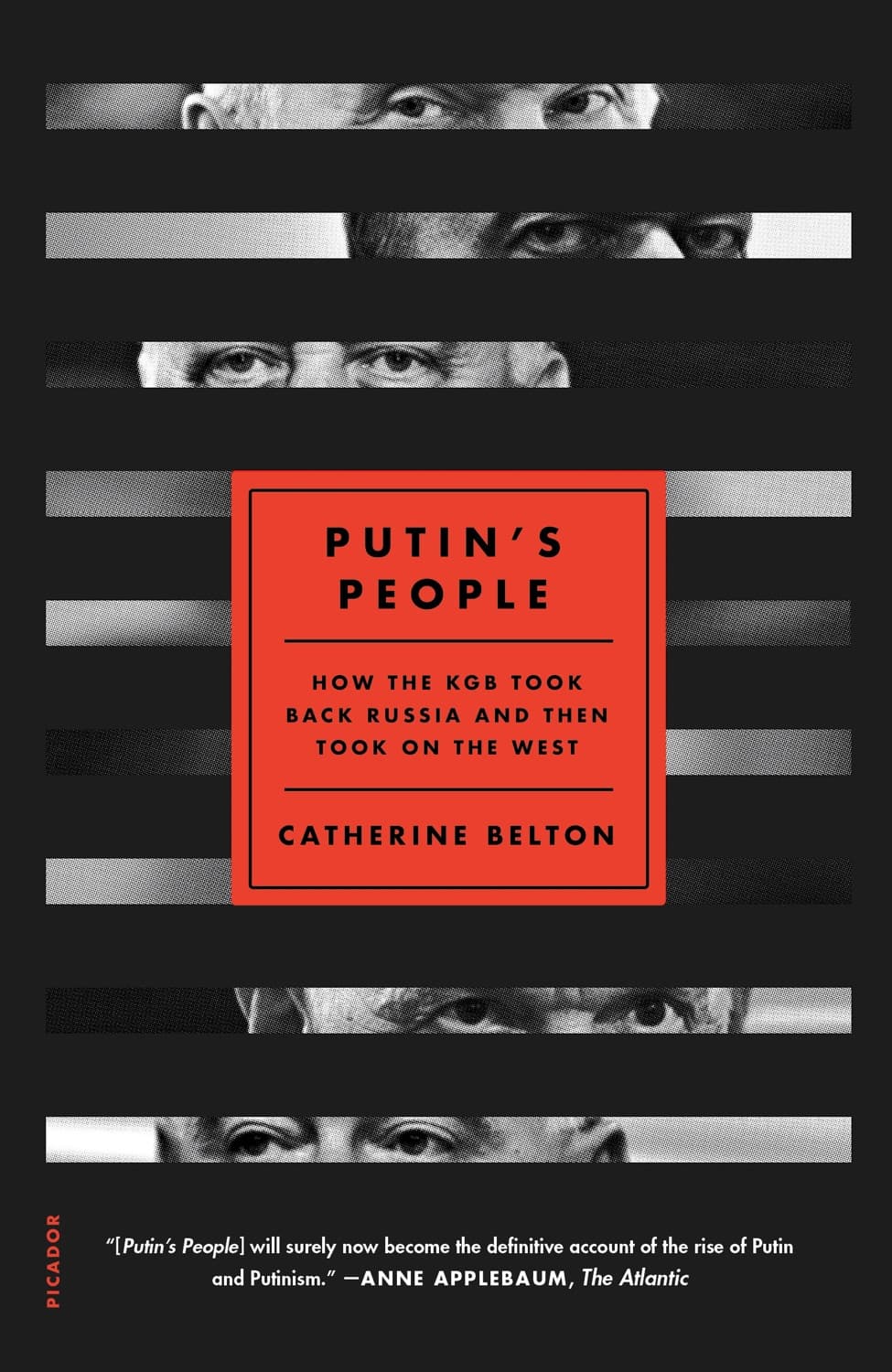
Putin’s People: How the KGB Took Back Russia and then Took on the West
Catherine Belton
After Putin’s People, oligarch wealth reads less like “private business” and more like a state capture mechanism that follows security services.
State capture often runs through relationships, not just assets.
Belton’s reporting shows how kleptocratic power is built through relationships, patronage, and coercive networks, not just one-off corruption. It helps you see kleptocracy as an operating model tying domestic control to international influence.
The Hidden Wealth of Nations
Gabriel Zucman
The Hidden Wealth of Nations turns kleptocracy into a balance-sheet problem: missing wealth explains tax loss, not mystery motives.
Estimate hidden offshore wealth to measure tax evasion.
Zucman provides rigorous analysis of offshore holdings and how they undermine tax systems, including those used to shelter stolen wealth. For understanding kleptocracy’s scale, it supplies a quantitative backbone that headlines rarely provide.
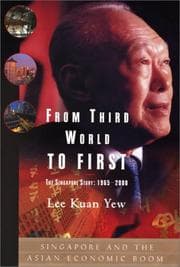
From Third World to First : The Singapore Story
Lee Kuan Yew
After From Third World to First, corruption control looks less like morality and more like governance design: incentives, enforcement, and institutional discipline.
High salaries and strong enforcement can reduce corruption incentives.
Lee Kuan Yew offers a practical counterpoint to kleptocracy by showing what state-building choices reduce the payoff to extraction. It matters because kleptocracy is sustained by systems, and this clarifies what changes when those systems are redesigned.
Corruption
Leslie Holmes
Corruption reframes kleptocracy as a functioning social order where institutions, norms, and networks cooperate to keep extraction stable.
Corruption persists as an institution, not an exception.
Holmes lays out clear explanations of how corruption works across political and everyday life, including the systemic logic behind political kleptocracy. If you need a theory lens to interpret the investigations, this gives you the vocabulary.
Offshore secrecy jurisdictions create a durable hiding loop.
The dictator's handbook
Bruce Bueno de Mesquita, Alastair Smith, Bruce Bueno de Mesquita
After The dictator's handbook, authoritarian kleptocracy reads like strategy: rulers keep power by distributing benefits to the coalition that matters.
Winning coalitions receive benefits to buy loyalty.
The authors’ incentive-based model helps explain why extractive regimes tolerate corruption and how coalition dynamics shape repression and patronage. It gives you a non-moral, structural way to anticipate when kleptocracy hardens or loosens.
Red Notice
Bill Browder
Red Notice makes impunity feel bureaucratic: a single case becomes a lesson in how power blocks accountability across borders.
Demanding justice can collide with state-backed secrecy.
Browder’s insider account exposes kleptocratic networks and the ways legal and political systems can be gamed. It fits kleptocracy study by grounding the abstract in one sustained fight against state-linked wrongdoing.
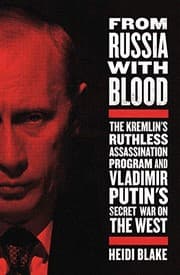
From Russia with Blood
Heidi Blake
After From Russia with Blood, the violence around kleptocracy looks like enforcement, not fallout: intimidation protects money.
Violence functions as protection for extracted wealth.
Blake connects investigative threads showing how kleptocratic networks use fear and coercion alongside finance. For understanding kleptocracy’s real-world consequences, it ties governance, crime, and personal risk into one picture.
Can we tailor this list for you?
Type your question in the bar below and the AI will tailor a fresh set of picks just for you.