Best Books on Hitler
Ian Kershaw’s Hitler, Alan Bullock’s Hitler, and Joachim Fest’s Hitler each rebuild the same story through different lenses, so you can track how a life becomes a regime with consequences.
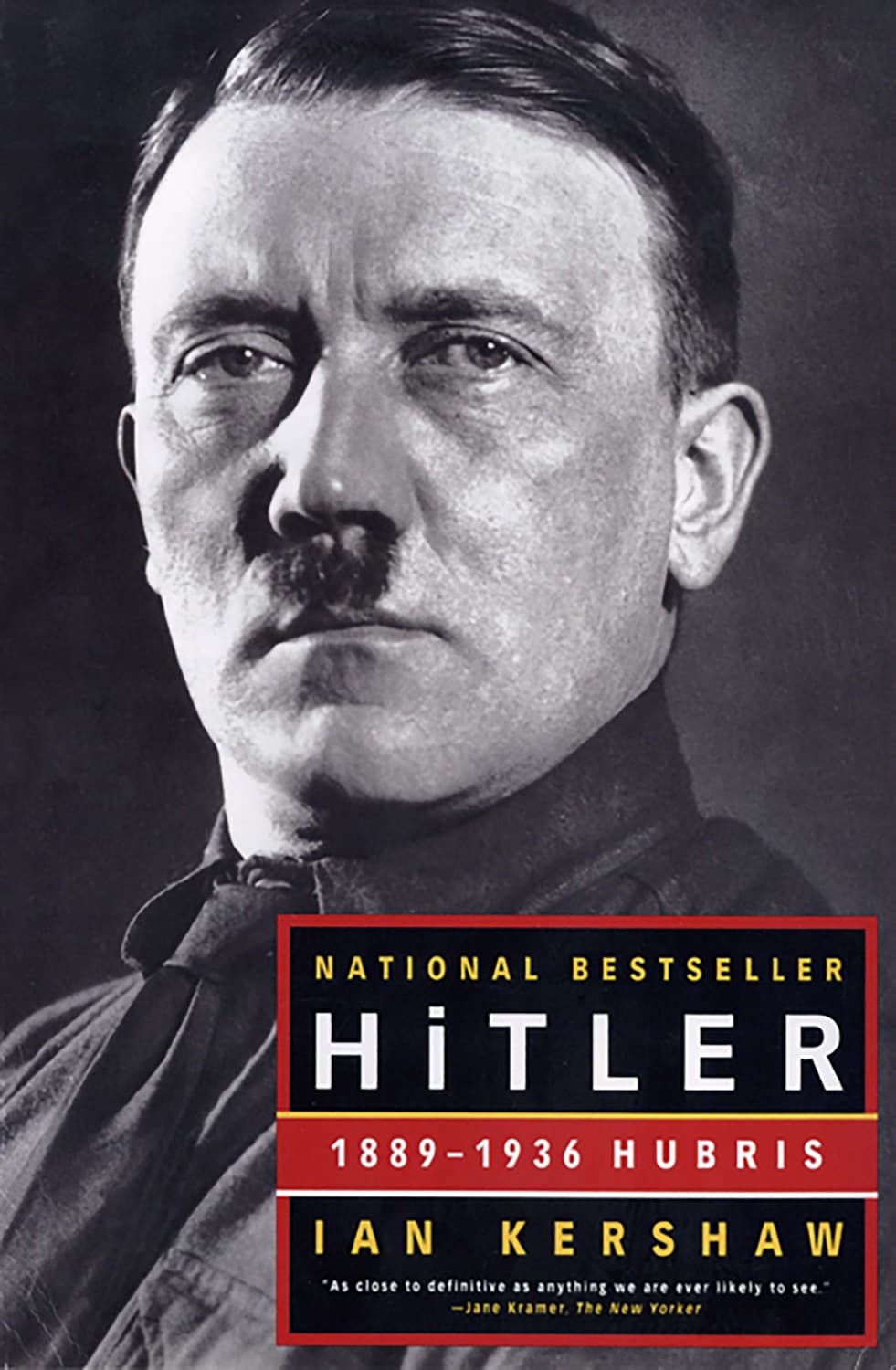
Hitler
Ian Kershaw
Kershaw’s single-volume synthesis turns Hitler from a mere individual into the hinge of Nazi decision-making across time and institutions.
“Working towards the Führer” clarifies motive and coordination.
It explains Hitler’s authority without reducing everything to his personal whims, which helps when you want understanding that holds up to historical complexity. That focus makes it ideal for connecting biography to the mechanics of a dictatorship.
Hitler
Alan Bullock
Bullock’s classic biography shaped what “modern understanding of Hitler” means by treating his rise as a historical process, not a mystery of evil alone.
Treat the rise as politics plus ideology
It gives you a grounding framework for how ideology, politics, and opportunity converged to make rule possible. That matters for your search because it steers reading toward explanation rather than fascination.
The Meaning of Hitler
Sebastian Haffner
Haffner reframes Hitler as a historical question: not just what he did, but what kind of symptom or necessity he represented.
Aiming at meaning, not only biography.
Its interpretive density gives you a sharper lens on character and significance than broad narrative biographies alone. For a “best books about Hitler” list, it’s the one that helps you think with the author instead of only following events.
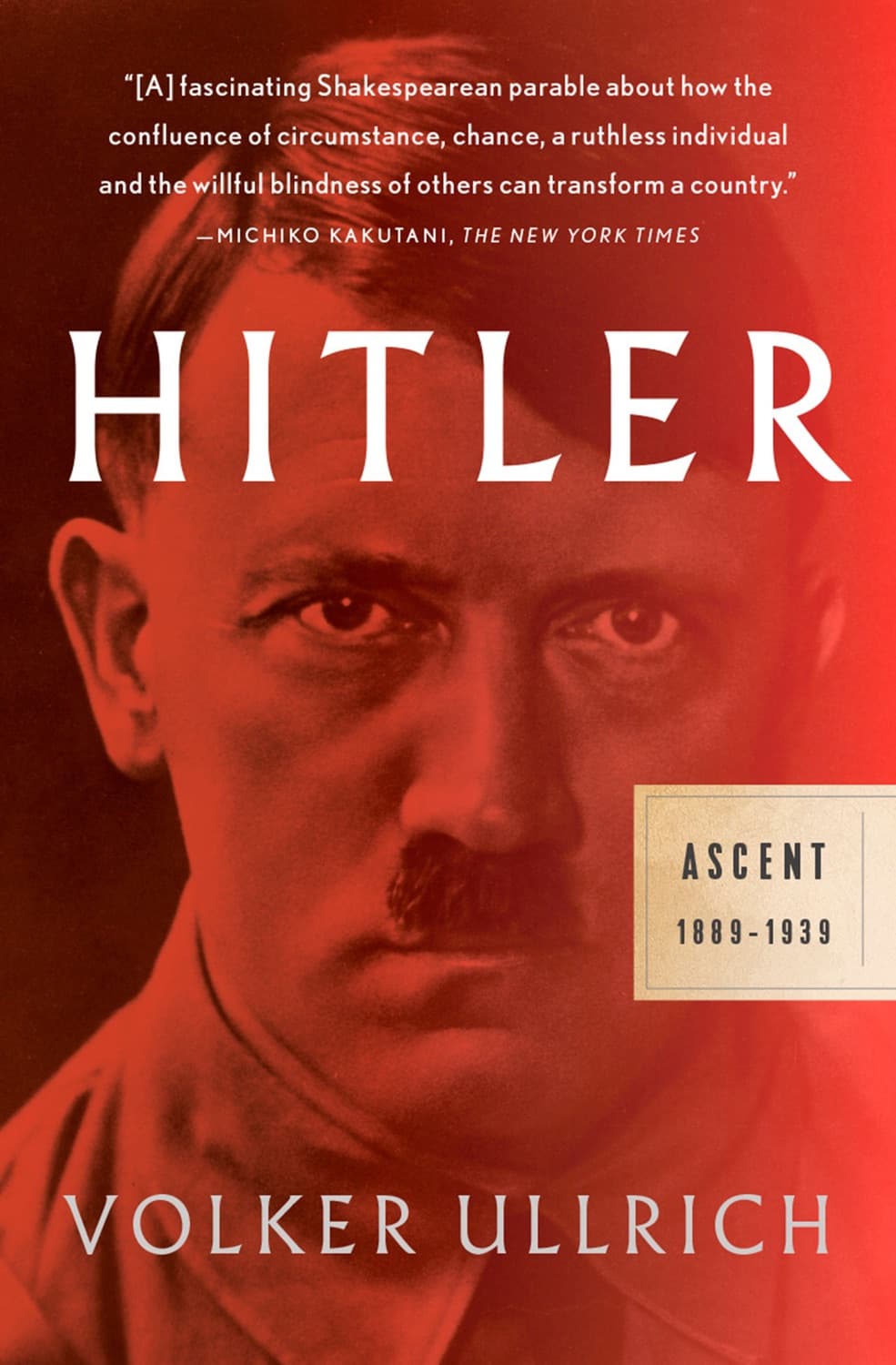
Hitler: Ascent
Volker Ullrich
Ullrich’s Hitler: Ascent shows how Hitler’s early career stopped being private biography and became a political instrument that others could use.
Power accelerates when others decide to empower.
By concentrating on the climb rather than the whole reign, it helps you understand how appeal, strategy, and circumstance assembled into power. That makes it especially useful if your interest is in causes, turning points, and the build-up of authority.
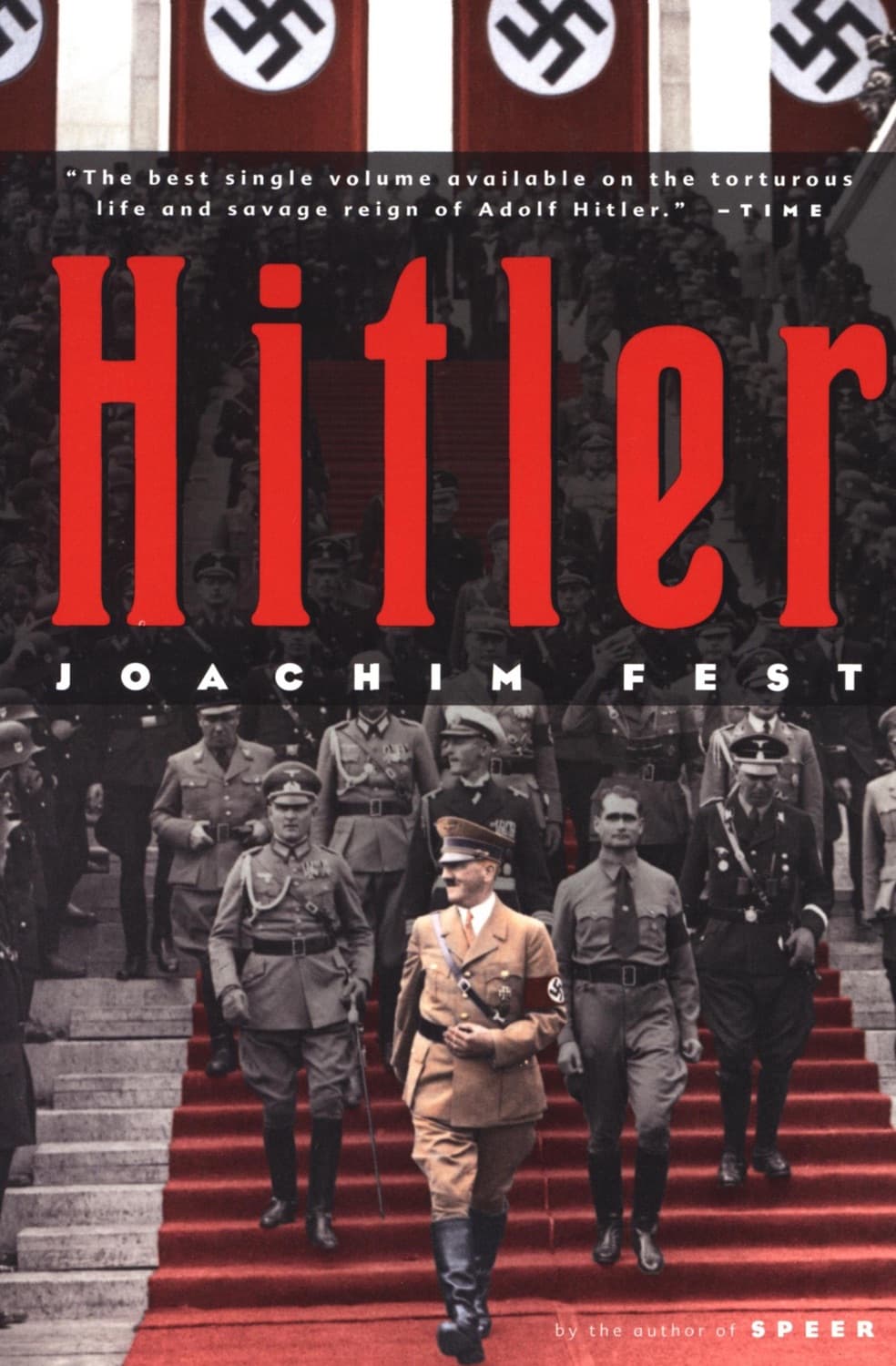
Hitler
Joachim Fest
Fest’s Hitler earns its reputation by pushing you to read events as a portrait of method, temperament, and consequence rather than isolated atrocities.
A character study tied to political results.
It brings literary clarity to a very large subject while still serving the historian’s task: situating the person inside the system. That combination fits your goal of “best books” because it deepens understanding without losing intellectual seriousness.
Can we tailor this list for you?
Type your question in the bar below and the AI will tailor a fresh set of picks just for you.