Best Books on Analytics in Sports
Sports analytics takes shape through Moneyball by Michael Lewis and Basketball on Paper by Dean Oliver, then hardens into probability thinking in The Signal and the Noise by Nate Silver. These picks share a focus on evidence, not anecdotes.

Moneyball
Michael Lewis
Moneyball turns roster-building into a public argument about evidence: market incentives hide skill, and numbers can expose it.
Hidden value beats reputation: measure what the market ignores
Lewis shows how disciplined measurement changes what a team believes about value, incentives, and tradeoffs. That makes it a strong first stop for “analytics in sports” because it connects methods to actual roster decisions and results.
Basketball on Paper
Dean Oliver
Basketball on Paper reframes every possession as an experiment, so “good looks” become something you can estimate and compare.
Possession-based efficiency beats box-score vibes
Oliver lays out the quantitative backbone behind modern basketball evaluation, centered on shot quality, efficiency, and lineup performance. For sports analytics, it matters because it teaches a transferable decision lens rather than a single sport story.
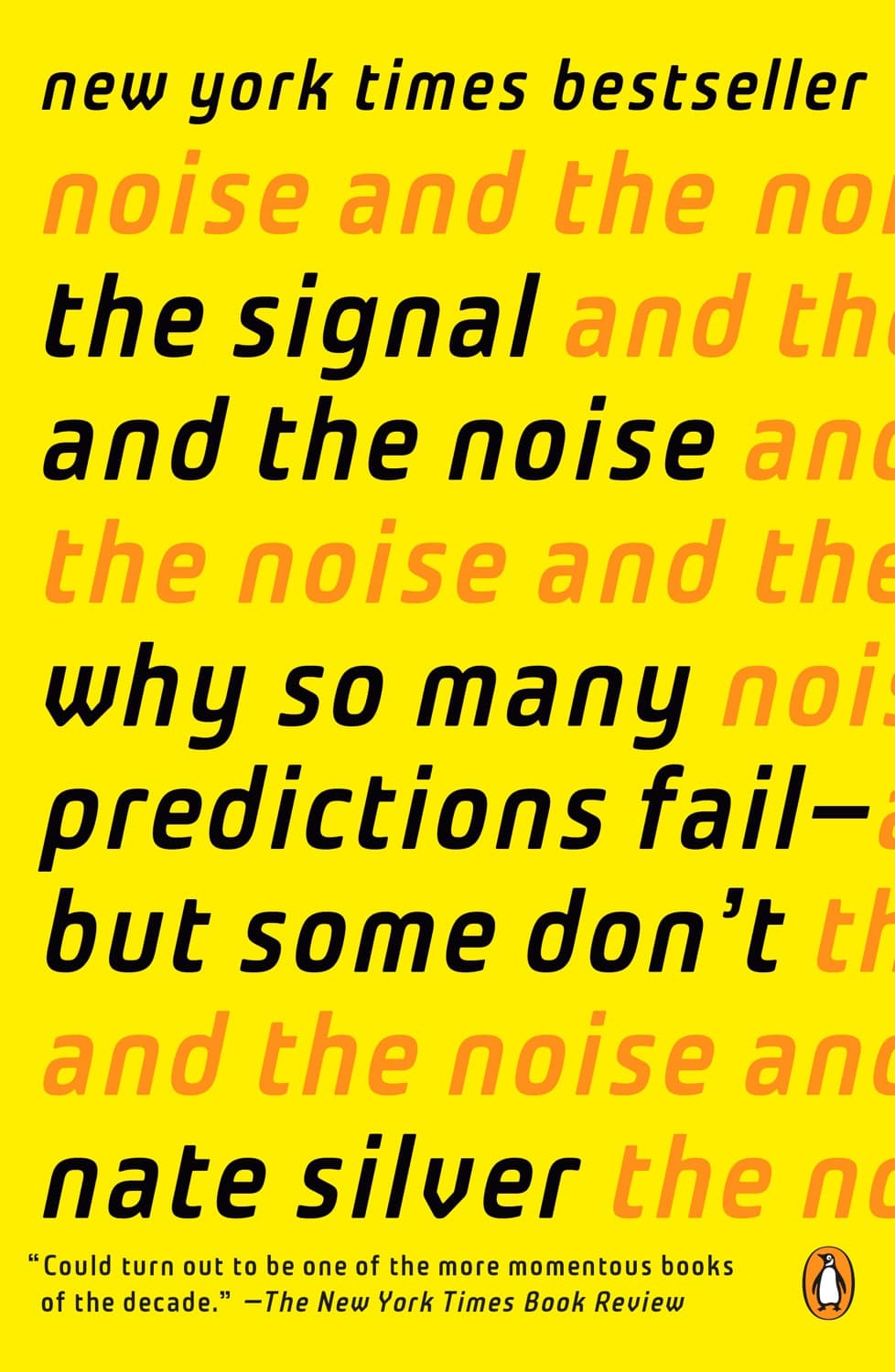
The Signal and the Noise
Nate Silver
The Signal and the Noise trains you to distrust confidence: small samples lie, and good forecasting is built on separating signal from noise.
Regression to the mean punishes overreaction
Silver gives you probabilistic habits that translate directly to sports where variance is constant: injuries, hot streaks, and schedule effects. It fits analytics in sports because it makes “forecasts” intellectually honest rather than intuition-driven.
Analyzing Baseball Data with R
Jim Albert, Benjamin S. Baumer, Max Marchi
Analyzing Baseball Data with R helps you go from questions to models by pairing baseball context with the mechanics of modern statistical computing.
Use resampling and diagnostics to avoid fooled-by-noise models
This is built for practice: it treats analytics as a workflow you can run, diagnose, and revise. That makes it useful for sports analytics because it supports real analysis choices, not just theory or anecdotes.

Soccernomics
Simon Kuper, Stefan Szymanski
Soccernomics treats soccer like a system: rules, economics, and incentives predict outcomes more reliably than folklore.
Incentives shape tactics: structure beats stories
Kuper and Szymanski show how analytics connects to scoring, roster strategy, and structural incentives across leagues. It fits the “analytics in sports” theme by demonstrating how data-driven reasoning can illuminate decision-making in a different sport context.
Mathletics
Wayne L. Winston, Scott Nestler, Konstantinos Pelechrinis
Mathletics turns analytics from “specialists’ math” into a set of decision tools you can reason about across sports settings.
Model choice is a decision, not a tradition
The strength here is conceptual clarity across use cases, which helps when you want analytics thinking without getting stuck in one sport’s jargon. For sports analytics, it supports choosing models and interpreting outputs as decisions, not just calculations.
Possession-based efficiency beats box-score vibes
Trading Bases
Joe Peta
Trading Bases shows how to build and test betting-driven baseball models where assumptions are stress-tested by outcomes.
Prove edges with evaluation, not belief
Peta’s focus on model-building under uncertainty fits sports analytics precisely because it emphasizes validity, evaluation, and what breaks. It is especially useful if you want analytics that lives in production-like feedback loops.

The Numbers Game
Chris Anderson, David Sally
The Numbers Game argues that soccer success is explainable by valuation and measurement, not just coaching charisma.
Measure what matters: convert performance into decisions
Anderson and Sally explain how analytics changed evaluation and tactics, using clear links between data and decisions. That makes it a fit for sports analytics because it shows the organizational and strategic adoption of measurement.
Extra Innings
The Baseball Prospectus
Extra Innings captures sabermetrics as a set of questions: what’s true, what’s noise, and how to measure it responsibly.
Challenge the comparison: context defines value
Instead of treating analytics as a single method, it teaches the reasoning behind common sabermetric ideas through everyday baseball problems. For sports analytics, that helps you internalize the “why this stat, why this inference” mindset across many decision types.
Can we tailor this list for you?
Type your question in the bar below and the AI will tailor a fresh set of picks just for you.