Best Books on for Sports Coaches
Sports coaching is culture, not drills: Wooden on Leadership, Eleven Rings, and Leading with the Heart turn practice into character, clarity, and team unity.
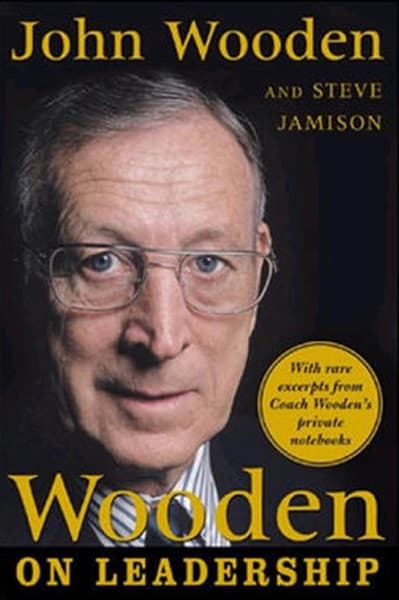
Wooden on Leadership
John Wooden
John Wooden breaks leadership into teachable habits: character, preparation, and the discipline to coach what you can control.
Control the controllables: focus on effort and process
You get a coach-to-coach philosophy that treats culture like a system, not a slogan. That makes it ideal when you want your team to learn the same values through daily practice, not just game-day speeches.
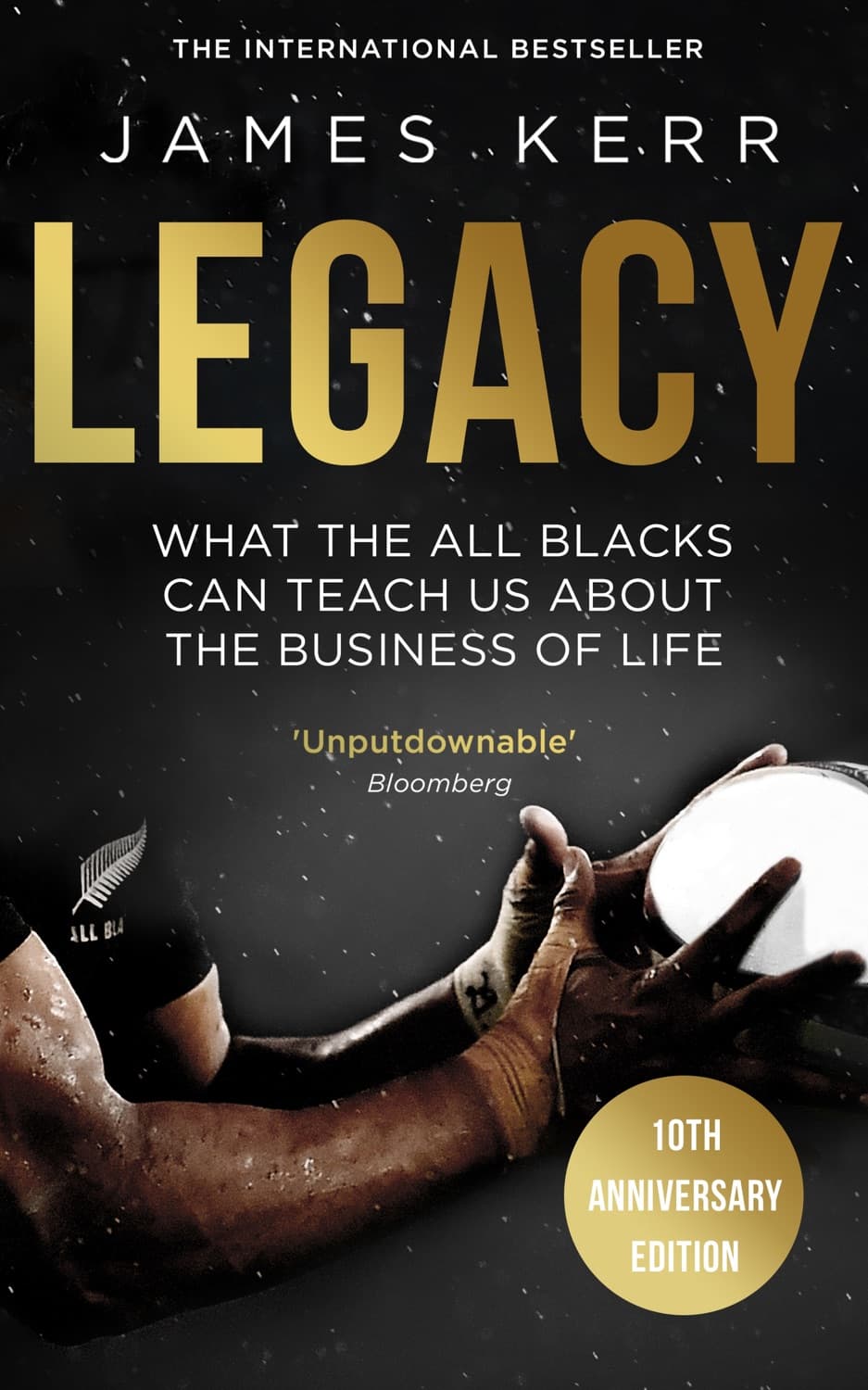
Legacy
James Kerr
Legacy argues the best teams build an invisible pact: trust earned through repeated, specific behaviors over time.
Legacy is built by rituals that outlast talent
Kerr makes leadership feel tangible with the way elite rugby teams practiced together, demanded standards, and handled pressure. Coaches looking to tighten accountability and team identity will find a model they can translate to any sport.
Eleven Rings
Phil Jackson, Hugh Delehanty
Eleven Rings shows championship coaching as managing ego: protecting attention, reducing friction, and shaping how players relate under stress.
Ego management is team performance management
Jackson’s perspective connects leadership to group psychology, not motivational slogans. If you want fewer power struggles and more shared purpose, this gives a lens for building cohesion when stakes rise.
Leading with the Heart
Mike Krzyzewski, Donald T. Phillips
Leading with the Heart insists greatness comes from emotional clarity: leaders set the tone, name standards, and teach through care.
Set standards through relationship, not fear
Coach K’s lessons emphasize communication, responsibility, and how to steer individuals without losing the team. For coaches balancing toughness with trust, it offers a grounded way to build buy-in while holding a high bar.
Chop Wood Carry Water
Joshua Medcalf
Chop Wood Carry Water reframes coaching as a daily practice of discipline: small tasks done repeatedly become the real competitive advantage.
Process beats mood: do the work daily
This parable-style book turns coaching principles into memorable routines you can use in real time with athletes. It fits when you need a mindset reset and a simple way to reinforce process and character.
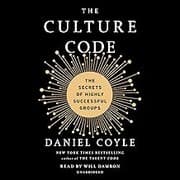
The culture code
Daniel Coyle
The culture code explains how cohesive teams create safety, build trust fast, and align behavior through simple repeated cues.
Safety, then alignment: start with trust
Coyle offers a practical framework coaches can apply to communication, feedback, and group norms. If your goal is a team that performs because it feels connected, this gives you actionable principles.
Legacy is built by rituals that outlast talent
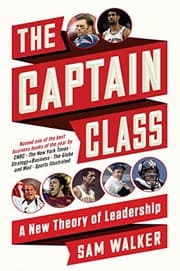
The Captain Class
Sam Walker
The Captain Class argues elite teams are led by players who treat leadership like a skill: visible, practiced, and measurable.
Leadership is practiced behavior under pressure
Walker highlights the leadership traits that show up in action and decision-making, not just official titles. For coaches who want more consistent leadership on the floor, it gives a way to spot, train, and reinforce it.
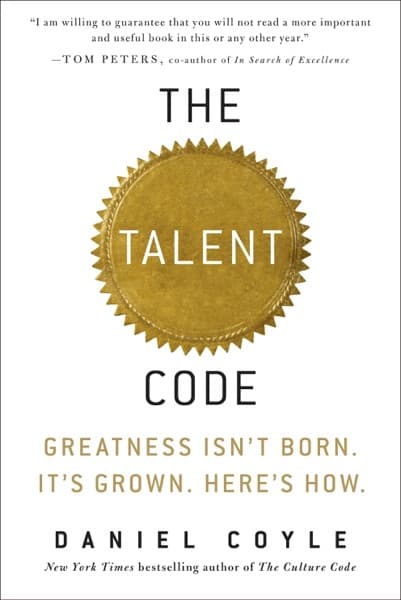
The talent code
Daniel Coyle
The talent code demystifies skill: deliberate practice creates deep learning through repeated effort, feedback loops, and focus.
Focus, repetition, feedback create 'myelin' growth
Coyle ties coaching to how improvement actually happens, with ideas you can translate into practice design. If you want athletes to get better because training targets learning, not just repetition, this is a strong blueprint.
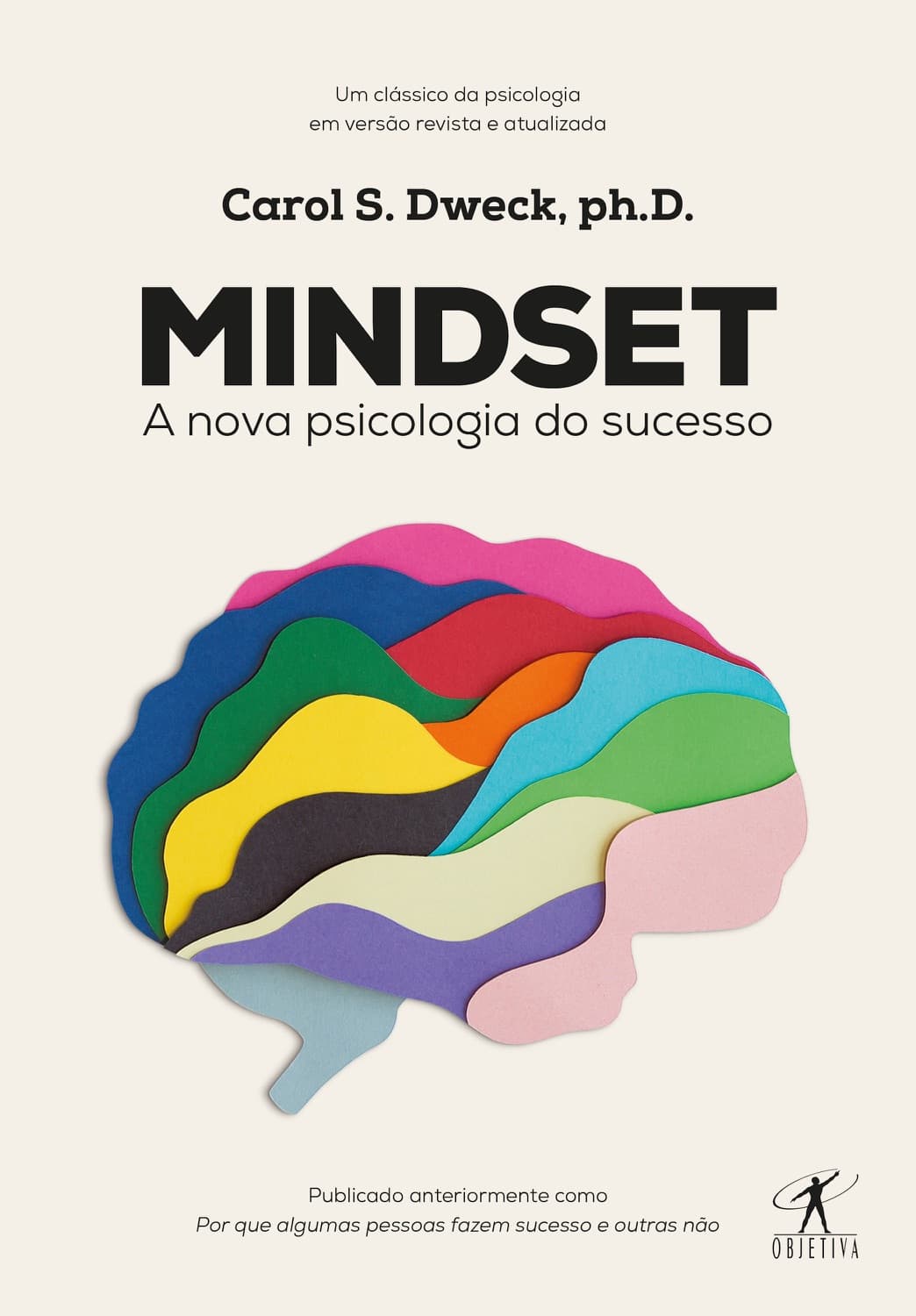
Mindset
Carol S. Dweck
Mindset teaches the difference between believing talent is fixed versus treating ability as developable through effort and strategy.
Praise process and strategy, not innate talent
This framework helps coaches shape how athletes interpret mistakes, feedback, and setbacks. When your team’s confidence collapses under pressure, this gives language and methods to rebuild a growth orientation.
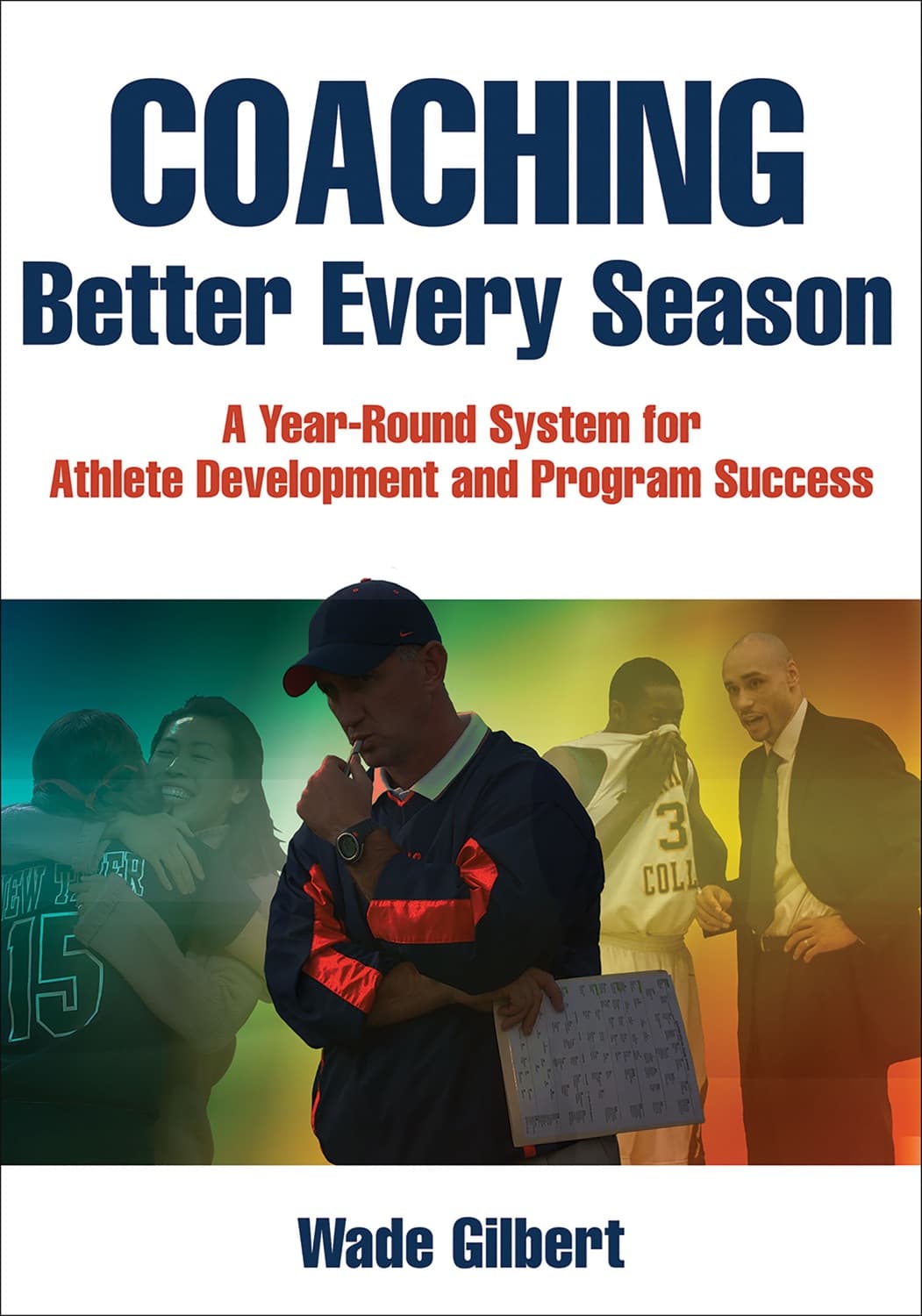
Coaching Better Every Season
Wade Gilbert
Coaching Better Every Season turns coaching into evidence-based problem solving: assess, adjust, and teach for long-term athlete development.
Diagnose learning needs, then adapt coaching
Gilbert focuses on practical coaching decisions across seasons, grounded in research and real coaching constraints. For coaches who want to raise performance while improving how athletes learn, it gives a repeatable approach.
Can we tailor this list for you?
Type your question in the bar below and the AI will tailor a fresh set of picks just for you.