Best Books on Urbanization
Urbanization reads best through Glaeser, Jacobs, and Davis: from the economics of cities to street life and global slums. These picks keep the lens concrete by linking policy, people, and place.
Triumph of the City
Edward L. Glaeser
Cities concentrate wealth, ideas, and jobs because density rewards invention, not because planners create magic.
Density can be a productivity engine
Glaeser strips urbanization down to incentives and productivity: what cities do well, what they break, and why policy choices matter. It fits urbanization research by turning big claims into mechanisms you can test.
The Death and Life of Great American Cities
Jane Jacobs
Neighborhoods work when sidewalks generate constant, informal contact: remove that mix and city life decays fast.
Sidewalk diversity sustains city safety
Jacobs challenges top down urban renewal with an on-the-ground logic of diversity, short blocks, and street-level eyes on the street. If your goal is to understand urbanization’s lived effects, she gives you a sharper set of street tests.
The city in history
Lewis Mumford
Urbanization is not a single story of progress but a recurring pattern of power, technology, and public life across civilizations.
Cities shape civilization, not just vice versa
Mumford connects the long arc of cities to how societies organize work, governance, and culture. It matters for urbanization because it teaches you to see today’s growth as one chapter of a broader historical engine.
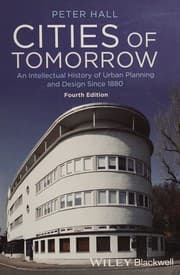
Cities of Tomorrow
Peter Hall
Modern city planning keeps reinventing itself because each era’s vision of the future reflects its political and economic fears.
Planning fashions track ideology and finance
Hall traces how planning ideas rose, collided, and reshaped housing, transit, and urban form. For urbanization, it adds context to why “solutions” change over time and what they quietly cost.
Planet of Slums
Mike Davis, Mike Davis, José María Amoroto Salido
Millions live in informal settlements not because they choose chaos, but because urban economies lock them out and governments fail to build inclusion.
Slums are shaped by policy gaps
Davis confronts the scale and causes of rapid urbanization in the global South, especially the politics of who gets served. It fits the topic by treating slums as an outcome of urban systems, not a side note.
The Urban Revolution
Henri Lefebvre
Urbanization is a social revolution in disguise: the city reorganizes everyday life, labor, and power.
The city is a political production
Lefebvre gives a theoretical lens to read urbanization as a dominant process that reorders society, not just geography. It helps when you want to understand how urban growth becomes political leverage.
Sidewalk diversity sustains city safety
The New Urban Crisis
Richard Florida
Modern urban growth can widen inequality and segregation, turning prosperity into a narrowing privilege rather than shared opportunity.
Housing and inequality drive the crisis
Florida surveys how housing costs, inequality, and labor market shifts reshape where people can live and thrive. For urbanization, it offers a readable map of today’s conflicts behind the skyline.
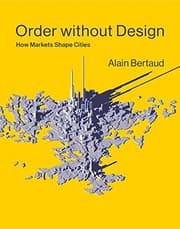
Order without Design
Alain Bertaud
Cities generate functioning complexity without centralized blueprints: zoning myths meet the stubborn logic of movement and land values.
Cities self-organize under constraints
Bertaud explains how real urban order emerges from constraints, incentives, and transport patterns. It supports urbanization research by helping you evaluate planning reforms against how cities actually behave.
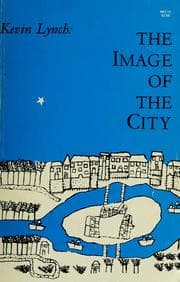
The Image of the City
Kevin Lynch
People navigate cities using mental maps of paths, edges, districts, nodes, and landmarks you can design for.
Legibility comes from paths and landmarks
Lynch focuses on perception and legibility, translating urban form into how residents and visitors experience places. If your interest in urbanization includes lived orientation, he shows how growth changes everyday understanding of space.
Can we tailor this list for you?
Type your question in the bar below and the AI will tailor a fresh set of picks just for you.