Best Books on Copywriting
Copywriting classics that turn “writing” into tested persuasion: Joseph Sugarman’s The Adweek copywriting handbook, David Ogilvy’s Ogilvy on advertising, and Claude C. Hopkins’ Scientific Advertising. Shared thread: learn from results, not vibes.
The Adweek copywriting handbook
Joseph Sugarman
After The Adweek copywriting handbook, you’ll read every campaign as a sequence of choices in headlines, leads, and proof, not as “creative.”
Use clear benefits plus credible proof together
It translates classic direct-response thinking into practical guidance you can apply to modern ads. That matters for copywriting because it trains you to build persuasion step-by-step instead of relying on tone.
Ogilvy on advertising
David Ogilvy
Ogilvy on advertising replaces clever writing with disciplined thinking: you’ll start insisting on reasons, evidence, and measurable outcomes.
Demand honesty: every claim needs support
Ogilvy’s voice is part memoir, part studio rulebook, built around what actually works in commercial writing. For copywriting, it sharpens your judgment about what to say, what to omit, and how to earn attention.
Scientific Advertising
Claude C. Hopkins
Scientific Advertising trains you to treat copy like an experiment: every element exists to increase responses, not to sound impressive.
Headlines should earn the reply
Hopkins grounds persuasion in tested principles and practical mechanics early advertisers used to generate sales. That focus is ideal for copywriting because it helps you iterate with clearer cause-and-effect.
Breakthrough advertising
Eugene M. Schwartz, Eugene Schwartz, eugene m. schwartz, Eugène Schwartz
Breakthrough advertising changes your angle: you stop selling features and start matching the customer’s level of desire and understanding.
Use the right “frame” for the market stage
Schwartz teaches how markets evolve from awareness to commitment, so your copy can speak to the right internal state. For copywriting, it’s a framework for picking angles that convert, not just sentences that sound good.
Hey, Whipple, squeeze this
Luke Sullivan
After Hey, Whipple, squeeze this, you’ll see most ad writing as sloppy trade-offs instead of “bad taste,” and you’ll fix it with constraints.
Great copy comes from constraints and clarity
Sullivan makes modern copywriting practical through the lens of real agency work and creative process. That helps for your copywriting goal because it connects craft decisions to outcomes, while staying readable and direct.
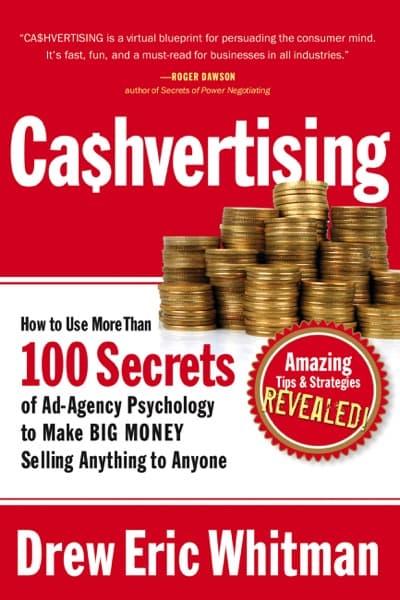
Cashvertising
Drew Eric Whitman
Cashvertising makes persuasion feel tactical: you start spotting which trigger you’re using and which objection you’re bypassing.
Add urgency by making time feel costly
Whitman’s approach is organized around triggers that motivate action in ads and landing pages. For copywriting, it’s useful because it turns vague persuasion into repeatable tools you can practice immediately.
Demand honesty: every claim needs support
Tested Advertising Methods
John Caples
Tested Advertising Methods reshapes your process: you’ll treat headlines, wording, and offers as the levers that drive results.
Write 25 headlines to find winners
Caples compiles proven direct-response practices and explains why certain choices raise response rates. For copywriting, it builds a disciplined habit of improvement through testing and careful revision.
The copywriter's handbook
Robert W. Bly
The copywriter's handbook turns writing into a toolbox: you’ll know which format fits the message before you start drafting.
Match the format to the goal
Bly covers core formats and practical techniques for business communication, not just ad one-liners. For copywriting, it helps you choose the right structure and craft so your persuasion supports the offer.
The Boron Letters
Gary Halbert, Bond Halbert
The Boron Letters trains you to think like a professional: every piece of copy becomes a question about customer desire, clarity, and proof.
Don’t sell a “feature”: sell a result
Halbert’s letters teach direct-response fundamentals through mentoring logic rather than theories. That matters for copywriting because it forces you to write with intent and to make persuasion measurable in your own feedback loop.
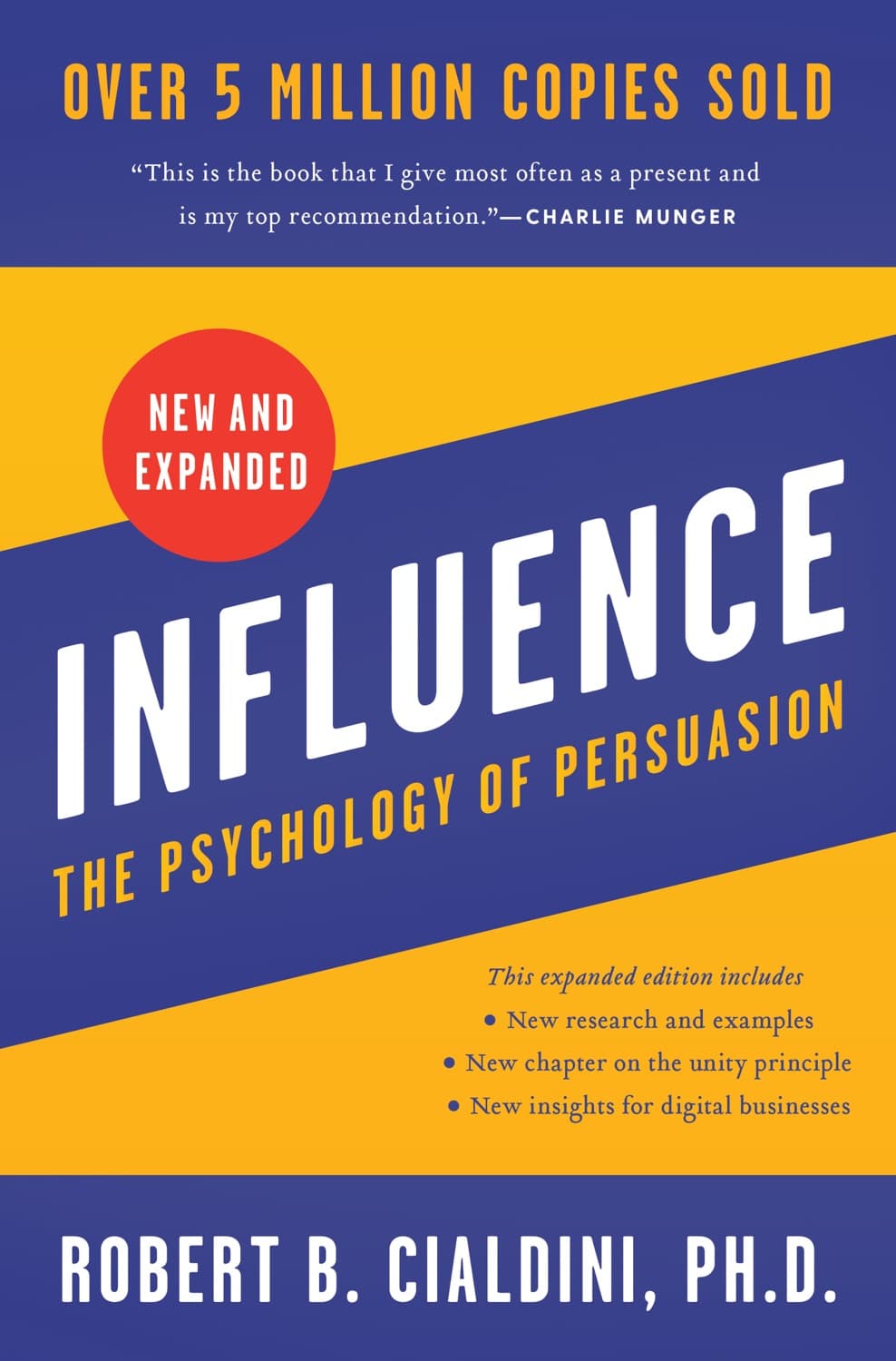
Influence
Robert B. Cialdini
Influence gives you a new read on attention: you’ll recognize the psychological levers behind agreement, compliance, and trust.
Use social proof when credibility is the bottleneck
Cialdini’s frameworks underpin why copy persuades across channels, from landing pages to sales letters. For copywriting, it’s a durable upgrade: you can design messages that align with how people decide, without guessing.
Can we tailor this list for you?
Type your question in the bar below and the AI will tailor a fresh set of picks just for you.