Best Books on Consumer Psychology
Consumer psychology gets sharper when you pair classic persuasion like Robert B. Cialdini’s Influence with buyer-psych fieldwork in Paco Underhill’s Why We Buy. The shared thread: behavior you can predict from motives, bias, and environment.
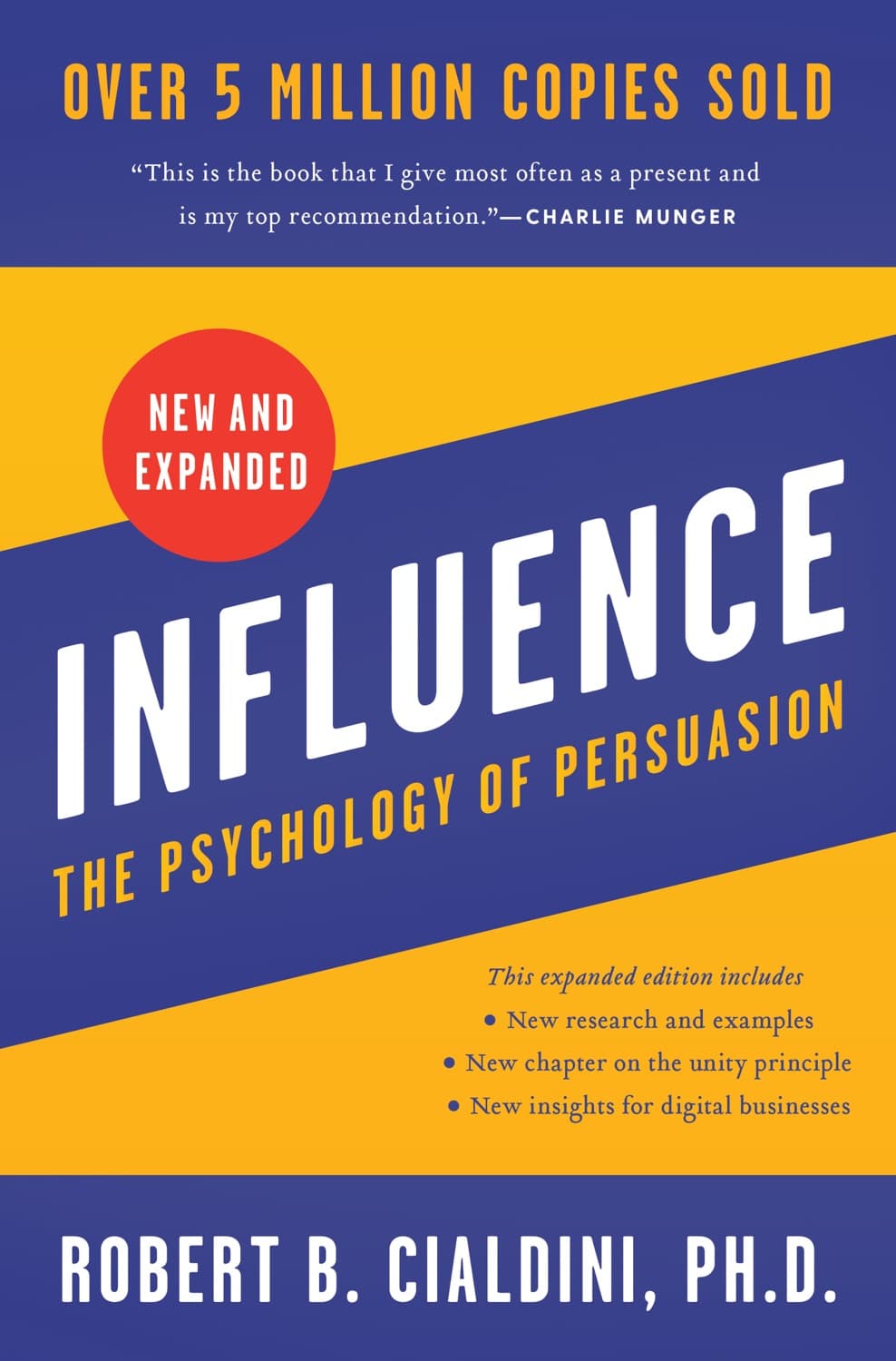
Influence
Robert B. Cialdini
After Influence, “why did I comply?” stops being a mystery: you start spotting the exact social triggers that steer consumer decisions.
Principles like reciprocity and scarcity shape compliance
Cialdini maps the persuasion principles that reliably work across real choices, not just theories. For consumer psychology, it gives you a practical lens to interpret compliance, sales persuasion, and everyday marketing pressure.
Consumer behavior
Michael R. Solomon
Consumer behavior turns “purchasing” into a full story of identity, motives, and context, not a simple economic choice.
Motives and identity drive what “fits”
Solomon connects psychology to how people actually shop, evaluate brands, and form habits. That matters when you want consumer psychology that’s broad enough to explain both cravings and rationalizations.
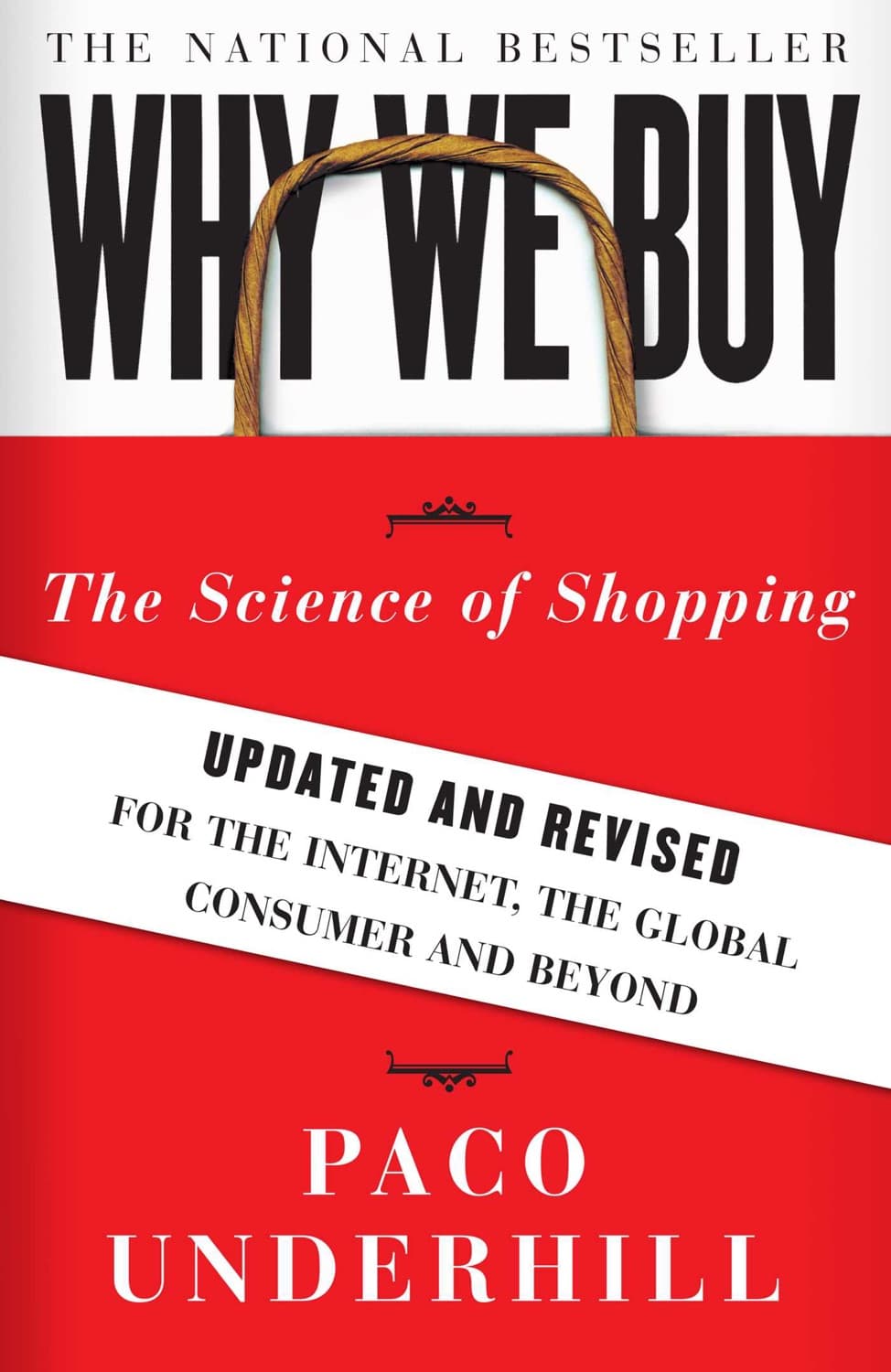
Why We Buy
Paco Underhill
Why We Buy makes you notice that shopping is physical, emotional, and surprisingly predictable once you watch how people move.
Store design changes what grabs attention
Underhill blends observation with shopper realities like friction, flow, and attention. For consumer psychology, it grounds motivation and bias in the retail environment where choices happen.
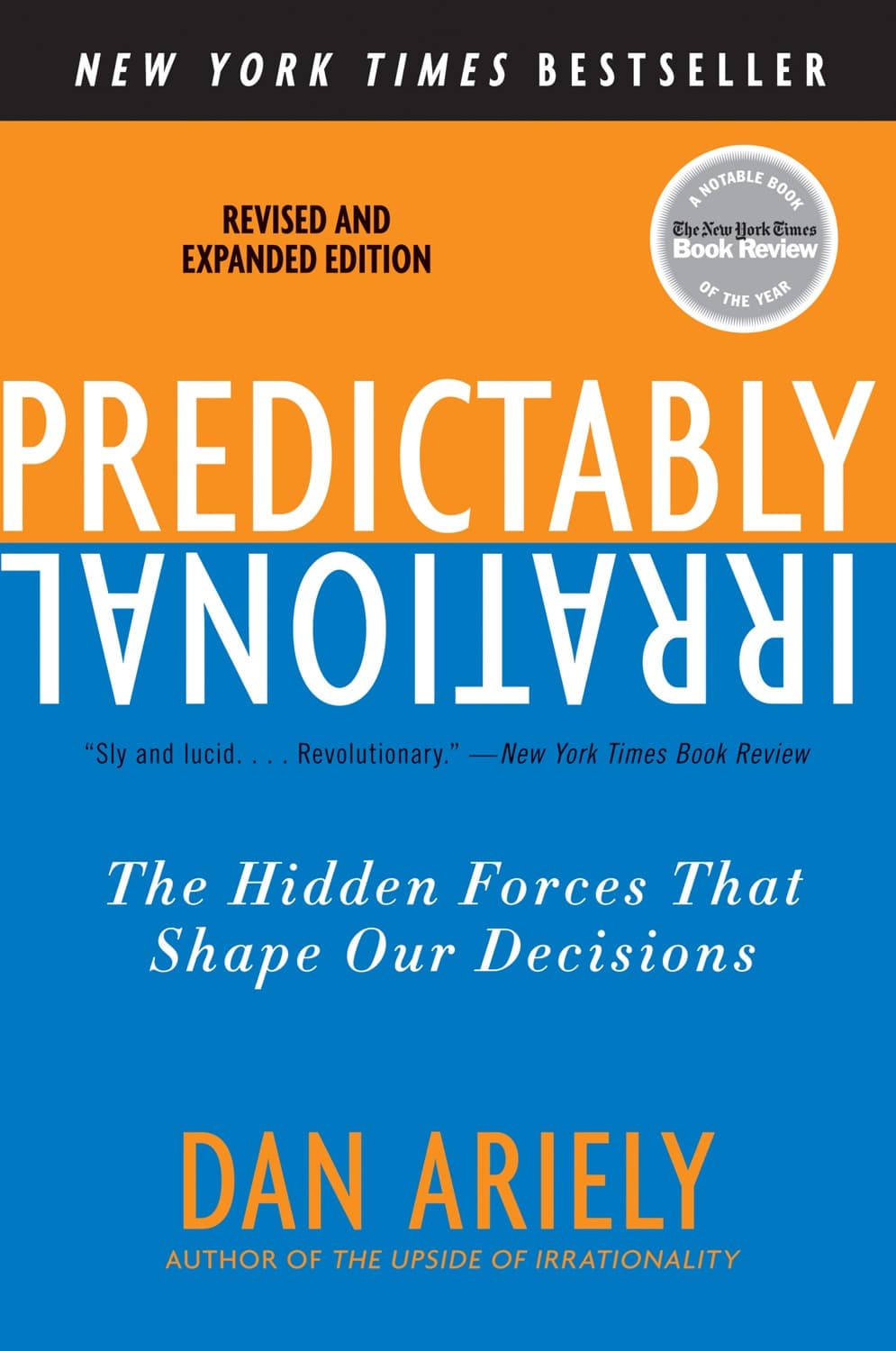
Predictably Irrational
Dan Ariely
Predictably Irrational reframes bad decisions as consistent patterns, so consumer choices look less random and more understandable.
Anchors and defaults reliably bias choices
Ariely shows systematic biases that repeatedly shape how people buy, evaluate tradeoffs, and respond to incentives. It’s ideal for consumer psychology because it teaches you to expect the irrational in the same way every time.
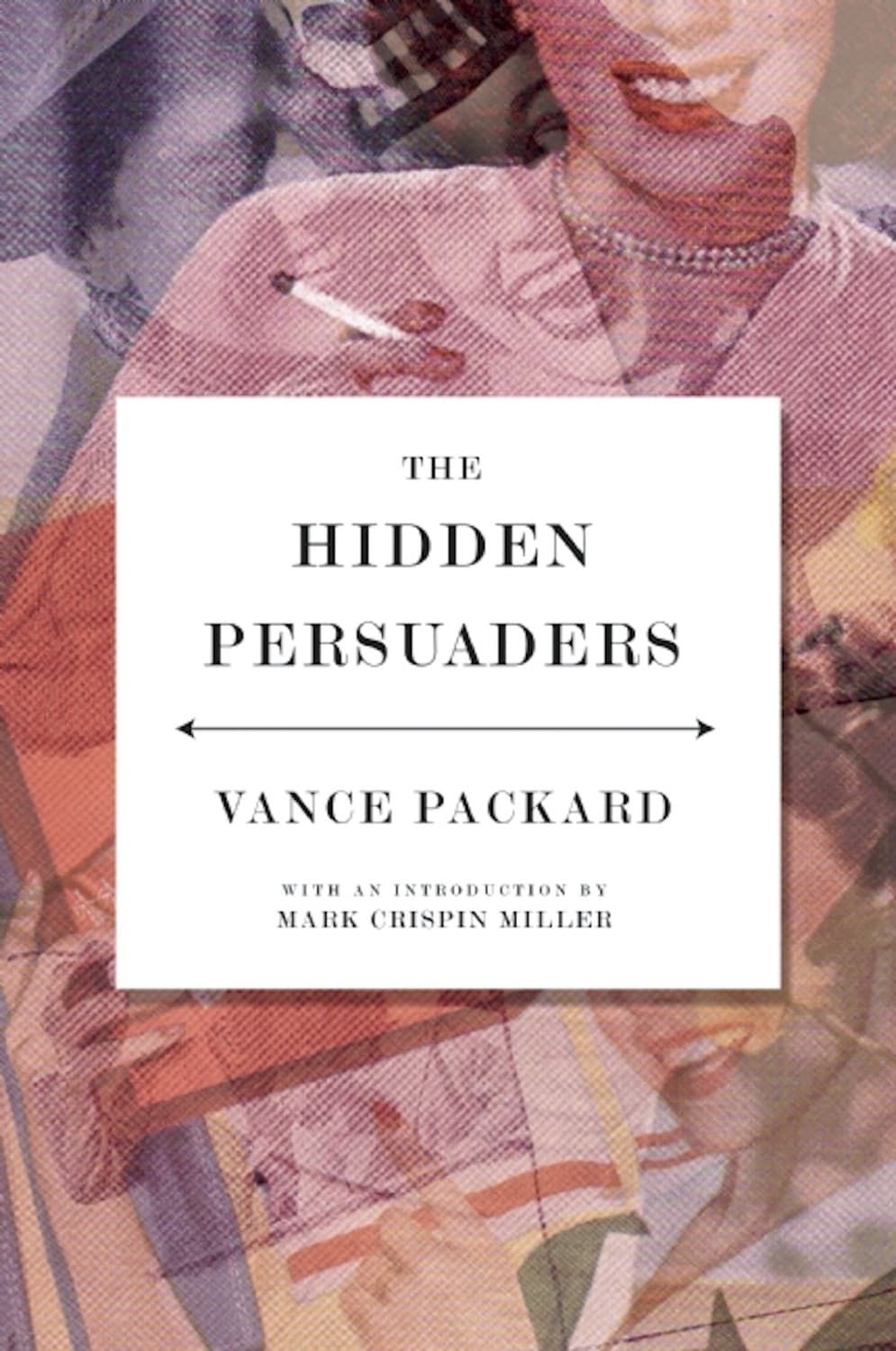
The hidden persuaders
Vance Packard
The hidden persuaders pushes you to ask what advertising nudges below awareness, reshaping how you read commercial persuasion.
Advertising can work through hidden motives
Packard’s motivational focus treats consumers as influenced by forces they do not fully recognize. For consumer psychology, it’s a gateway into subconscious influence and the ethics of marketing.
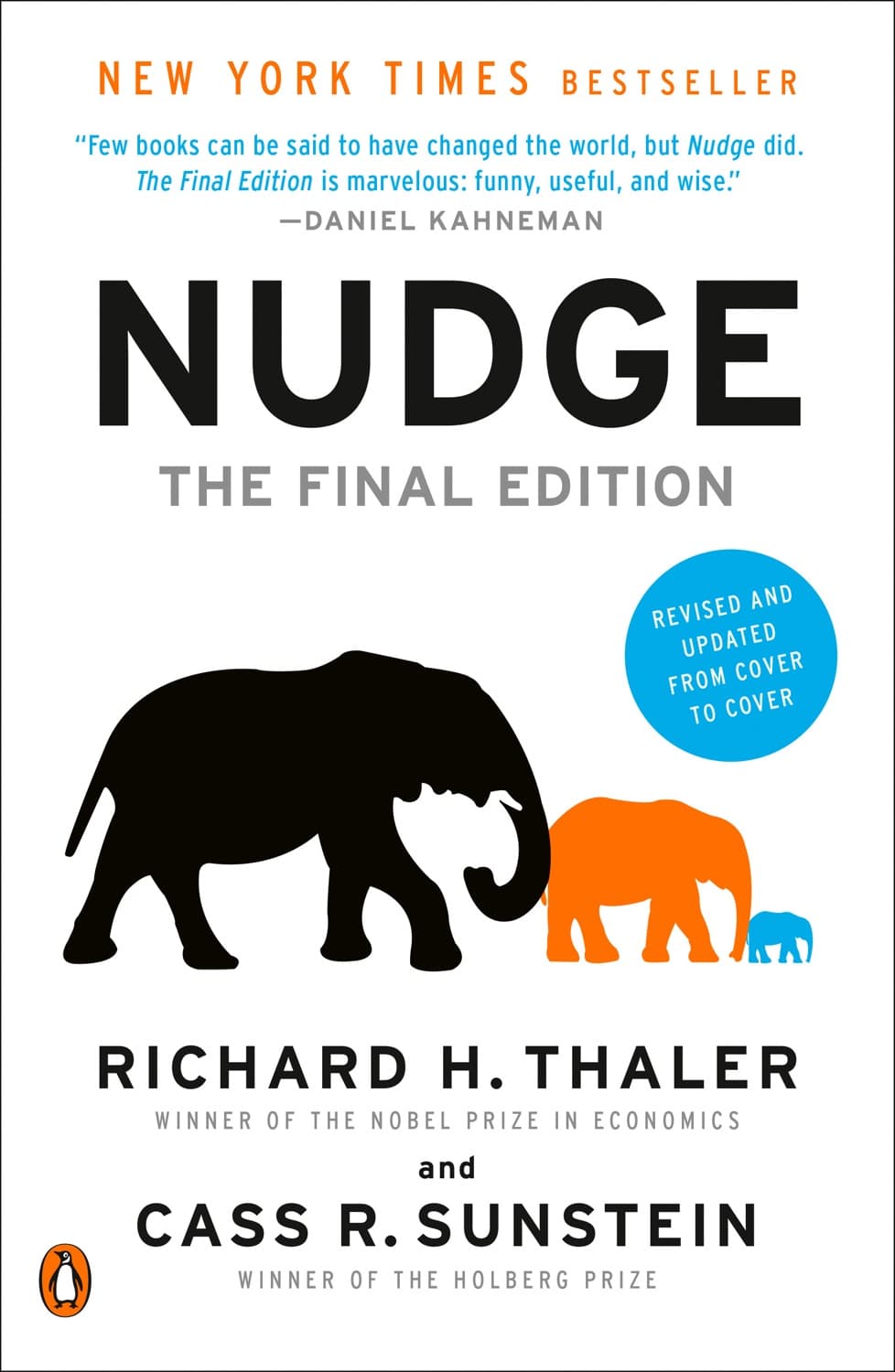
Nudge
Richard H. Thaler, Cass R. Sunstein
Nudge changes consumer psychology from blaming individuals to redesigning environments so choices come out better by default.
Defaults steer outcomes without forbidding options
Thaler and Sunstein explain how choice architecture steers decisions without heavy-handed coercion. That fits consumer psychology when you want to understand how products, defaults, and framing shape behavior.
Motives and identity drive what “fits”
Hooked
Nir Eyal
Hooked makes repeated consumer engagement feel mechanical: triggers lead to actions, not just “liking the app.”
Habit loop: trigger, action, reward, investment
Eyal translates psychology into a habit loop model that explains why products pull people back. For consumer psychology, it provides a clear framework to analyze engagement, retention, and compulsion-like patterns.
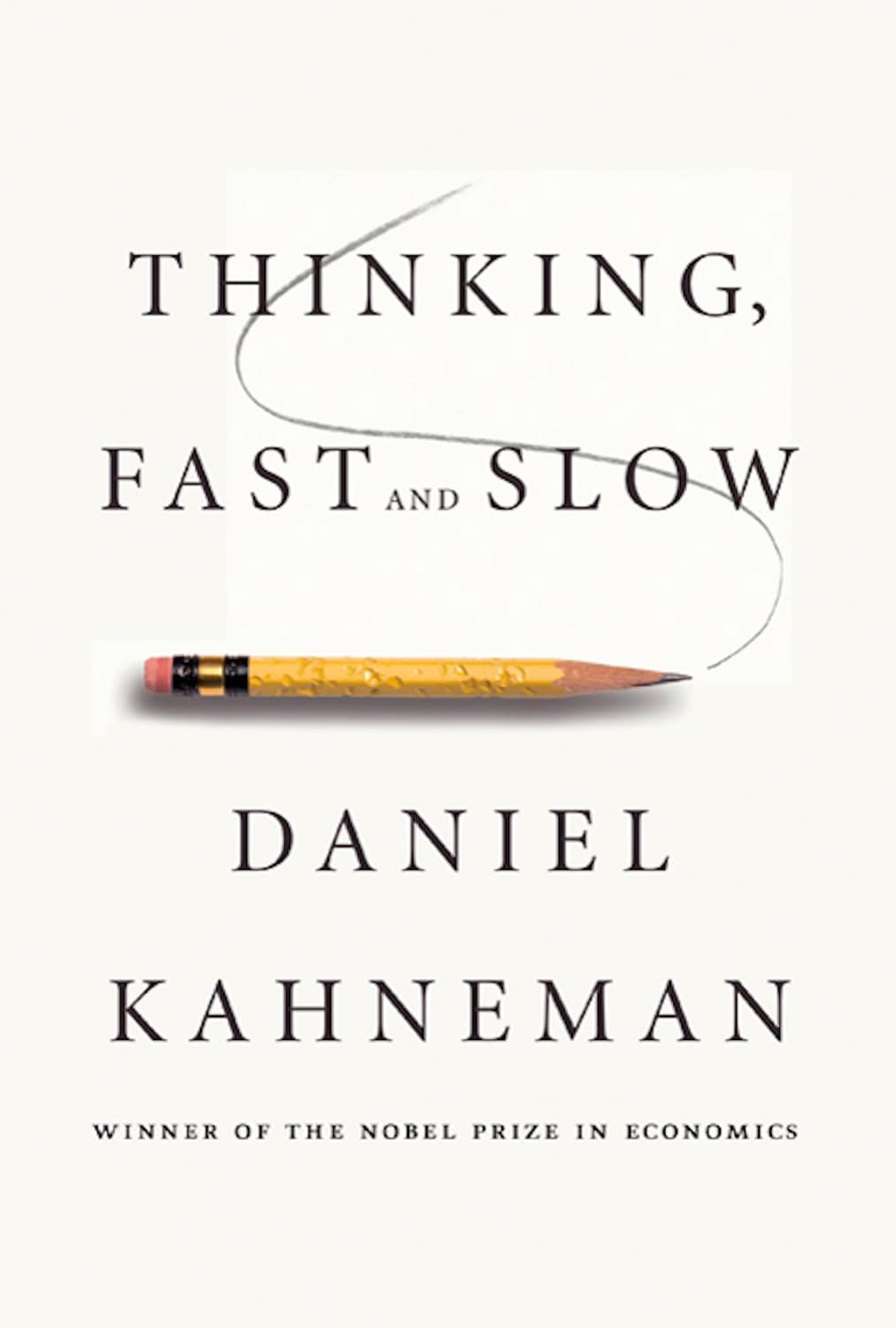
Thinking, fast and slow
Daniel Kahneman, Daniel Kahneman
Thinking, fast and slow gives consumers a split-brain map for judgment: fast instincts and slow reasoning both shape purchases.
System 1 drives quick impressions and biases
Kahneman’s framework makes heuristics and biases concrete enough to apply to consumer evaluation and decision errors. It matters when you want a core cognitive model behind why choices go wrong or right.
Buyology
Martin Lindstrom
Buyology argues that buying is emotional and measurable, so brand power shows up in the body before it reaches conscious thought.
Brand cues can be tracked through attention signals
Lindstrom ties branding to psychology, attention, and response rather than only demographics. It fits consumer psychology if you care about how marketing translates emotion into purchase behavior.
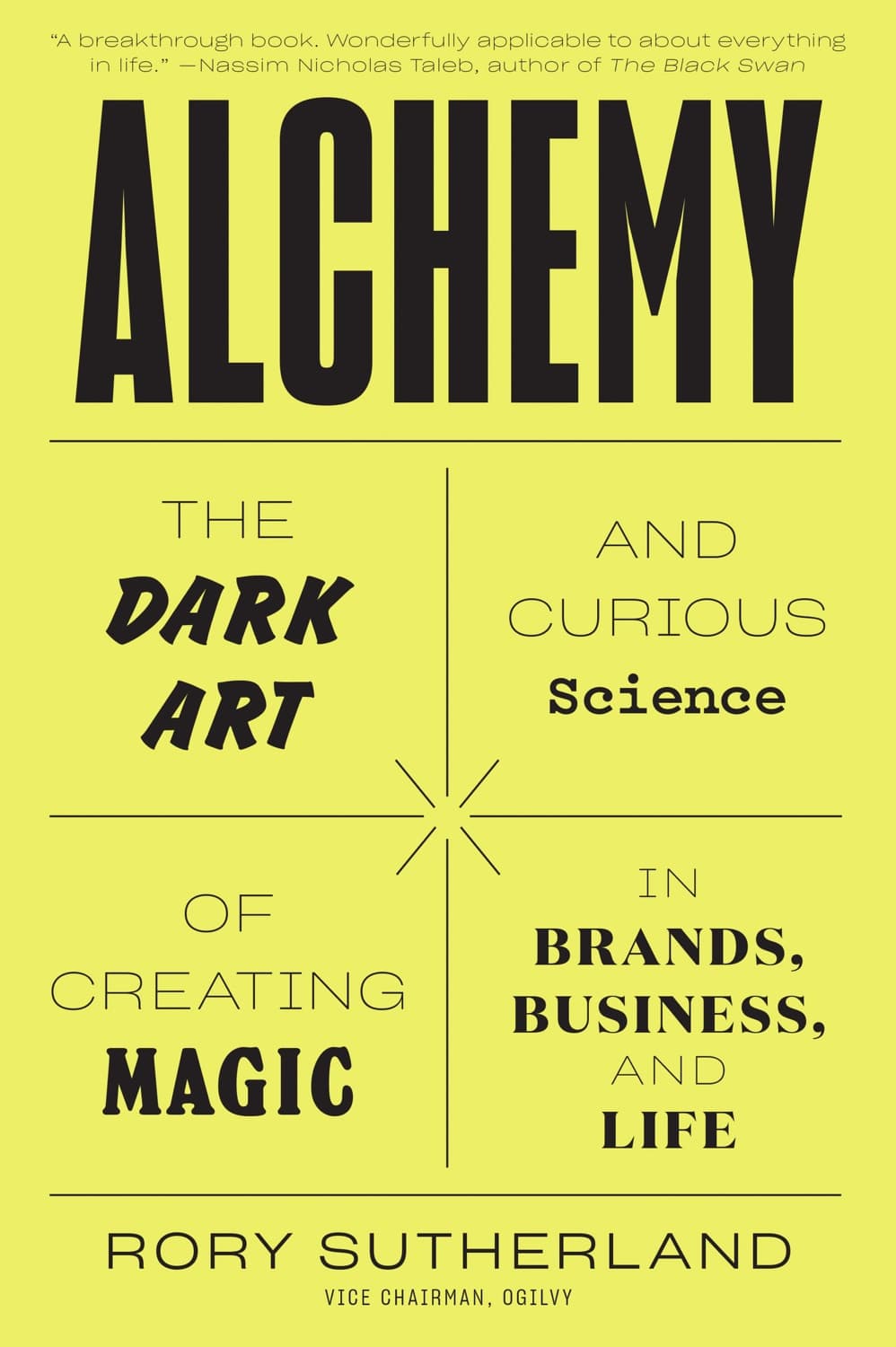
Alchemy
Rory Sutherland
Alchemy trains you to see value as perception plus irrational drivers, not just product features and rational pricing.
Value depends on perception more than logic
Sutherland highlights how marketing uses psychological quirks to make choices feel “obvious” after the fact. For consumer psychology, it connects persuasion, framing, and meaning to how customers experience value.
Can we tailor this list for you?
Type your question in the bar below and the AI will tailor a fresh set of picks just for you.